
Christchurch vs Auckland: Which New Zealand City Should You Choose?
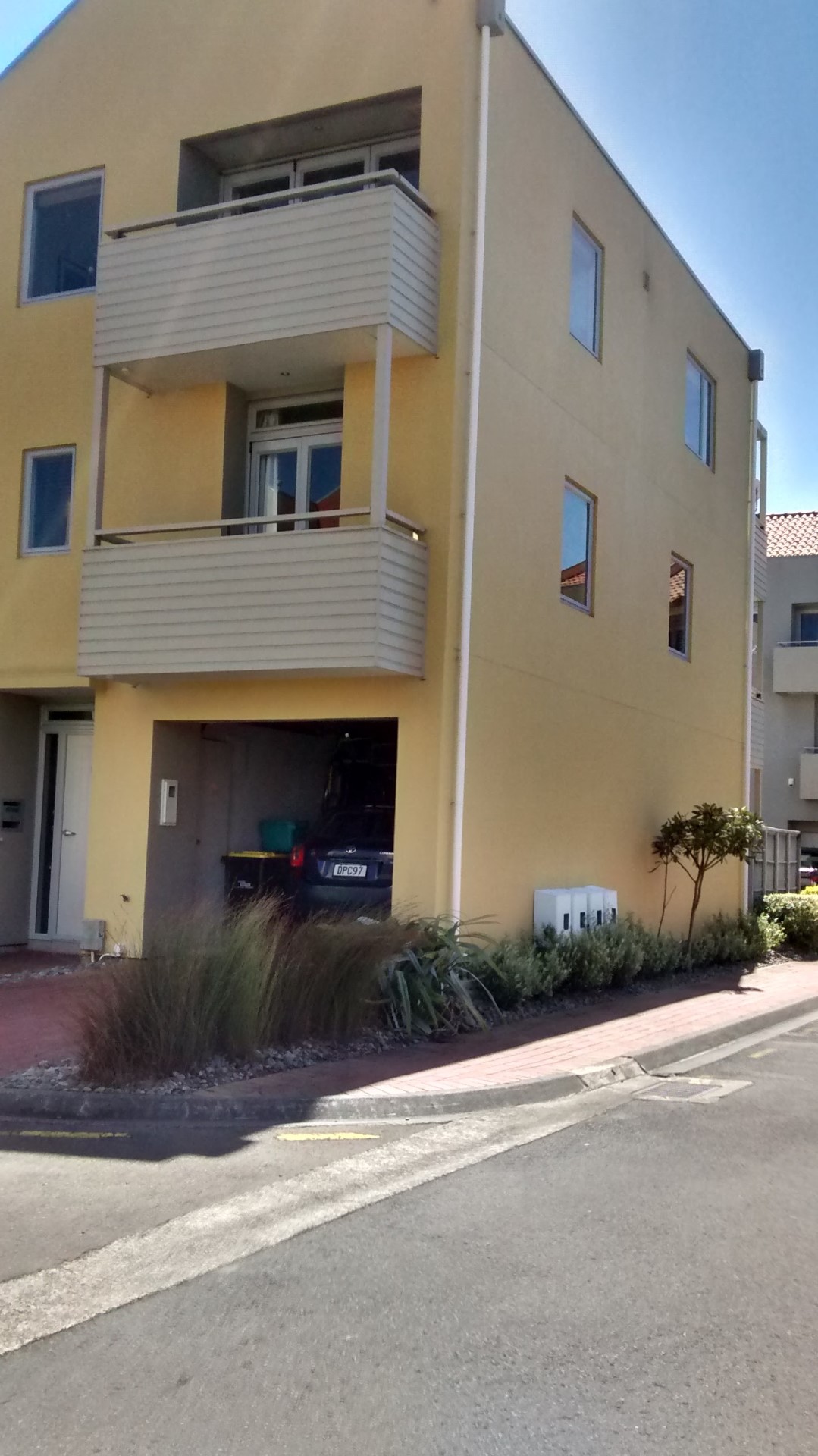
We lived in Tāmaki Makaurau, Auckland, for two years. We know its motorway congestion, its harbour views, its property prices and its habit of switching from sunshine to downpour in the same afternoon, because we lived it. Christchurch, or Ōtautahi, is a city we know differently: from repeat visits, from friends who moved south after the 2011 and 2012 earthquakes and never left, and from digging hard into the numbers for this comparison. We have not lived in Christchurch, so treat that half of this Christchurch vs Auckland comparison as researched and honest rather than lived-in.
If you are weighing up New Zealand’s biggest city against its fastest-recovering one, the decision usually comes down to money, weather, space and pace. Auckland has the jobs, the diversity and the traffic to match. Christchurch has cheaper housing, more sunshine and a rebuilt city centre that barely existed fifteen years ago. Here is how the two actually stack up in 2026, with real figures and sources throughout.
In this article
- Quick comparison table: rent, house prices, jobs, weather, commute and lifestyle
- Rent in Christchurch vs Auckland
- Buying a house: median prices in both cities
- Jobs, pay and the unemployment picture
- Weather: sunshine, rainfall and temperature
- Getting around: commute and traffic
- Lifestyle, culture and pace of life
- The rebuild, fifteen years on
- Choose Christchurch if… choose Auckland if…
- Your questions answered
All money figures are in New Zealand dollars first. Conversions to GBP and USD use the exchange rate on 15 July 2026 (NZ$1 = £0.43 = US$0.58), rounded for readability. Rates move daily, so treat these as a guide, not gospel.
Christchurch vs Auckland: the quick comparison
| Factor | Christchurch (Ōtautahi) | Auckland (Tāmaki Makaurau) |
|---|---|---|
| Population | Around 410,000 (Stats NZ, June 2025) | Around 1.82 million (Stats NZ, June 2025) |
| Median weekly rent | $565 to $575 (about £245/$331) | $660 (about £284/$383), down slightly year on year |
| Median house price | Around $722,500 (about £311,000/$419,000) | $1,005,000 (about £432,000/$583,000) |
| Unemployment rate | 4.2% in Canterbury (March 2026 quarter) | 6.6% (March 2026 quarter, above the 5.3% national rate) |
| Median full-time earnings | Close to the national median | $73,840, roughly 6% above the national figure |
| Sunshine hours a year | Around 2,145 | Around 2,000 to 2,060 |
| Annual rainfall | Around 575mm | Around 1,240mm |
| Commute | Shorter distances, but slower per kilometre in peak traffic | Longer distances and more total time lost to congestion |
| International flights | No direct UK flights; seasonal US route to San Francisco only | Main NZ gateway, direct UK and US routes |
Rent in Christchurch vs Auckland
According to Trade Me Property’s Rental Price Index, Auckland’s median weekly rent sat at $660 in early 2026, having actually dropped $10 over the previous year as rental stock loosened and demand softened slightly. Christchurch, by contrast, has been creeping up: Canterbury’s regional median rent was $575 in the Trade Me index for January 2026, and the Christchurch city figure came in around $565 by June 2026, up about 1% year on year.
That is a roughly $90 to $100 a week gap, close to $5,000 a year for a typical tenancy. Family-sized three and four-bedroom houses in Christchurch are the exception, with demand pushing some of those rents to record highs locally, so the gap narrows if you need more bedrooms. Either way, Auckland remains the more expensive city to rent in.
Buying a house: median prices in both cities
REINZ’s May 2026 data (released in June 2026) put Auckland’s median house price at $1,005,000, up 2.6% on the year before. Christchurch City’s median sat close to $720,000, with the wider Canterbury region recording a median of $725,000, up a stronger 6.6% year on year as Christchurch’s rebuild-era housing supply gets absorbed by continued population growth. The national median across New Zealand was $775,000.
The upshot: a typical Auckland home costs close to $280,000 more than its Christchurch equivalent. That difference alone changes the maths on a mortgage significantly, particularly if you are moving from the UK or US and converting savings into NZD. Canterbury was also the fastest-growing region in New Zealand in the year to June 2025, up 1.1%, according to Stats NZ, so that price gap is not guaranteed to stay this wide forever.
Jobs, pay and the unemployment picture
Auckland is unambiguously the country’s commercial capital: more head offices, more finance and professional services roles, more of everything in volume. Auckland’s median full-time earnings were $73,840 in the June 2025 quarter, about 6% above the national figure, according to Stats NZ.
Yet Auckland’s unemployment rate was 6.6% in the March 2026 quarter, noticeably higher than the 5.3% national rate and well above Canterbury’s 4.2%, per Stats NZ’s Household Labour Force Survey. That is a genuine surprise for a city so often billed as New Zealand’s jobs engine, and it reflects a national labour market that has been flat for a while, with low turnover and cautious hiring. Christchurch’s job ad growth has been picking up into 2026, with construction, engineering and a growing tech sector benefiting from rebuild-era infrastructure spending. Chasing a specific high-paid corporate role still favours Auckland; wanting a tighter, less crowded labour market currently favours Canterbury.
Weather: sunshine, rainfall and temperature
Christchurch actually wins on sunshine. NIWA’s climate data puts Christchurch at around 2,145 sunshine hours a year against Auckland’s roughly 2,000 to 2,060, and Christchurch is considerably drier too, with about 575mm of annual rainfall compared with Auckland’s roughly 1,240mm.
The trade-off is winter. Christchurch sits on the Canterbury Plains with the Southern Alps close by, so it gets proper frosts and a genuinely cold July, averaging around 6.3°C in the coldest month. Auckland’s winters are milder and wetter rather than cold, rarely dropping below double figures in the day, but the rain is more persistent and summer humidity is noticeably higher. Christchurch suits four distinct seasons and the odd icy windscreen. Auckland suits avoiding frost altogether in exchange for more grey, drizzly days.
Getting around: commute and traffic
Here is a genuinely counterintuitive fact. Auckland has the national reputation for traffic, and by total time lost it deserves it: the average Auckland driver lost around 85 hours to rush-hour congestion in 2025, according to a 2026 Traffic Systems report, and Auckland Transport has projected the annual economic cost of congestion at around $2.6 billion by 2026.
But per kilometre, Christchurch is worse. The 2024 TomTom Traffic Index, reported by Otago Daily Times’ Star News in January 2026, found it took drivers 21 minutes 51 seconds on average to travel 10km at rush hour in Christchurch, against 18 minutes 59 seconds in Auckland. Christchurch’s smaller footprint hides its congestion, but the city is genuinely car-dependent, with only around 7% of households having no vehicle at the 2023 census. Christchurch’s own long-term transport plan expects “severe congestion” to set in between 2038 and 2050 as the greater urban area grows toward a projected 640,000 to 700,000 people.
Auckland’s commutes are longer in distance, since the city sprawls across an isthmus and two harbours, so a bad one can eat well over an hour each way. Christchurch’s commutes are shorter in distance but surprisingly slow for their length, with far less public transport to fall back on.
Lifestyle, culture and pace of life
Our own two years in Auckland were spent loving the harbour on the good days, queuing on the Northwestern Motorway on the bad ones, and enjoying a genuinely multicultural food scene that Christchurch, fairly or not, still can’t match for sheer variety. Auckland has the international flight connections, the biggest arts and events calendar in the country, and a level of diversity that comes from being the main entry point for immigration to New Zealand.
Christchurch, from what we have seen on visits and heard from friends who live there, has a different energy: flatter, more cyclable, more spread out and noticeably calmer. It has become one of New Zealand’s best cycling cities, helped by a citywide cycleway programme worth an estimated $380 to $450 million rolling out since 2014. The Garden City reputation still holds, with the Botanic Gardens and Hagley Park doing a lot of heavy lifting, and the South Island’s mountains, lakes and ski fields are a genuinely short drive away in a way Auckland cannot offer. Crowdsourced perception data from Numbeo and Expatistan rates Christchurch as both cheaper and slightly safer-feeling than Auckland, though that is public perception rather than official statistics.
One real practical difference for anyone relocating from the UK or US: Christchurch Airport has no direct UK flights and only a seasonal United Airlines route to San Francisco, as of July 2026. Everyone else connects through Auckland, Australia or Asia, a genuine advantage for Auckland if frequent long-haul travel home matters to you.
The rebuild, fifteen years on
February 2026 marked fifteen years since the earthquake that devastated Christchurch’s city centre. The honest picture, based on our research rather than personal experience, is a city substantially rebuilt but not entirely finished. Major anchor projects that dragged for years are now visibly coming together: the Te Kaha stadium, a 30,000-seat covered venue costing around $683 million, opened in 2026 alongside the Parakiore sports and aquatic centre and the rebuilt Court Theatre. Christ Church Cathedral in the Square, however, was still under restoration as of early 2026, a lingering symbol of how long recovery takes even when a city has clearly moved on around it.
Population growth has resumed strongly, with Canterbury New Zealand’s fastest-growing region in the year to June 2025, and much of the central city’s infrastructure is now newer than Auckland’s. If you’re choosing based on whether Christchurch is finished being rebuilt, the fair 2026 answer is: substantially yes, with a handful of high-profile projects still finishing off.
Choose Christchurch if…
- You want meaningfully cheaper rent and a house price roughly $280,000 lower than Auckland’s median
- You value sunshine and dry weather over mild, wetter winters
- You want a flatter, more cyclable city and quick access to the Southern Alps, lakes and ski fields
- A lower regional unemployment rate and a growing construction, engineering and tech scene appeal to you
- You are comfortable owning a car and don’t need frequent direct long-haul flights home
Choose Auckland if…
- You need the widest range of jobs, industries and career progression in one city
- Direct flights to the UK, US and Asia matter for visiting home or for work travel
- You want the country’s most diverse food scene, biggest events calendar and largest expat community
- You can tolerate longer commutes and higher living costs for wider opportunity
- You would rather deal with milder winters and accept more rain and humidity in exchange
Neither answer is wrong. It genuinely depends on what you are optimising for: opportunity and connectivity, or affordability and space.
Your questions answered
Is Christchurch cheaper than Auckland to live in? Yes, on the figures available. Median rent is around $90 to $100 a week lower in Christchurch, and the median house price is roughly $280,000 lower. Crowdsourced cost-of-living indices such as Numbeo and Expatistan suggest an overall cost-of-living gap in Auckland’s favour too, driven mainly by housing, though a handful of categories, groceries included, sometimes come out slightly cheaper in Auckland.
Which city has better job prospects, Christchurch or Auckland? Auckland has far more roles overall and higher median earnings, but its unemployment rate was 6.6% in the March 2026 quarter against Canterbury’s 4.2%, according to Stats NZ. If your industry is well represented in Christchurch, particularly construction, engineering or the growing tech sector, the tighter labour market there may work in your favour.
Is Christchurch fully rebuilt after the earthquakes? Substantially, yes, fifteen years on from February 2011. Major projects like the Te Kaha stadium, Parakiore and the Court Theatre have opened or are close to opening. Christ Church Cathedral remains a notable exception, still under restoration as of early 2026.
What’s the weather like in Christchurch compared to Auckland? Christchurch is sunnier and considerably drier, with around 2,145 sunshine hours and 575mm of rain a year against Auckland’s roughly 2,000 to 2,060 sunshine hours and 1,240mm of rain. Christchurch has colder, frostier winters; Auckland’s winters are milder but wetter and more humid in summer.
Is Christchurch safer than Auckland? Crowdsourced perception data (Numbeo) rates Christchurch as feeling safer than Auckland, but this is public perception rather than official crime statistics. For hard numbers on a specific suburb, check the New Zealand Police crime snapshot directly rather than relying on either city’s general reputation.
Can I fly directly from the UK or US to Christchurch? Not from the UK, as of July 2026. There is one seasonal direct US route from San Francisco on United Airlines. Everyone else connects through Auckland, Australia or Asia, which is worth factoring in if you will be travelling home often.
Which city is better for families? It depends what you value. Christchurch offers more space, cheaper housing and a flatter, easier city to navigate with kids and bikes. Auckland offers more schooling choice, a bigger job market for both parents, and better international flight access for visiting family overseas.
Making the call
There is no universally correct answer here, only the right answer for your circumstances. We would point you toward our Wellington vs Auckland comparison if you are still weighing up a third option, and our wider guide to the best places to live in New Zealand if you want the full national picture before narrowing down. If you are earlier in the process and still working out whether New Zealand is right for you at all, our honest look at what it’s like to live in New Zealand is a good next stop, and our step-by-step guide to moving to New Zealand covers the practical side once you have picked a city.
Got a question this page didn’t answer, or want a second opinion on your specific situation? Get in touch through our contact page and we will do our best to help.
You might also like

Wellington vs Auckland: Which Should You Live In?
Wellington vs Auckland? We lived two years in each. Our honest comparison on housing, people, transport, weather and earthquakes to help you choose.

Breaking out of societies version of travel, Vagabonding through life.
From a very young age, we have all been formatted to think that travel can only be consumed a few weeks a year. Not anymore, become a vagabond.

Moving to New Zealand, A parental perspective (Interview)
Moving away from your family is a brave decision, but it can make you feel guilty. This article from a parental perspective will hopefully make you realize it's not as hard as you may think.