
New Zealand Visas Explained: The Plain-English Guide for 2026
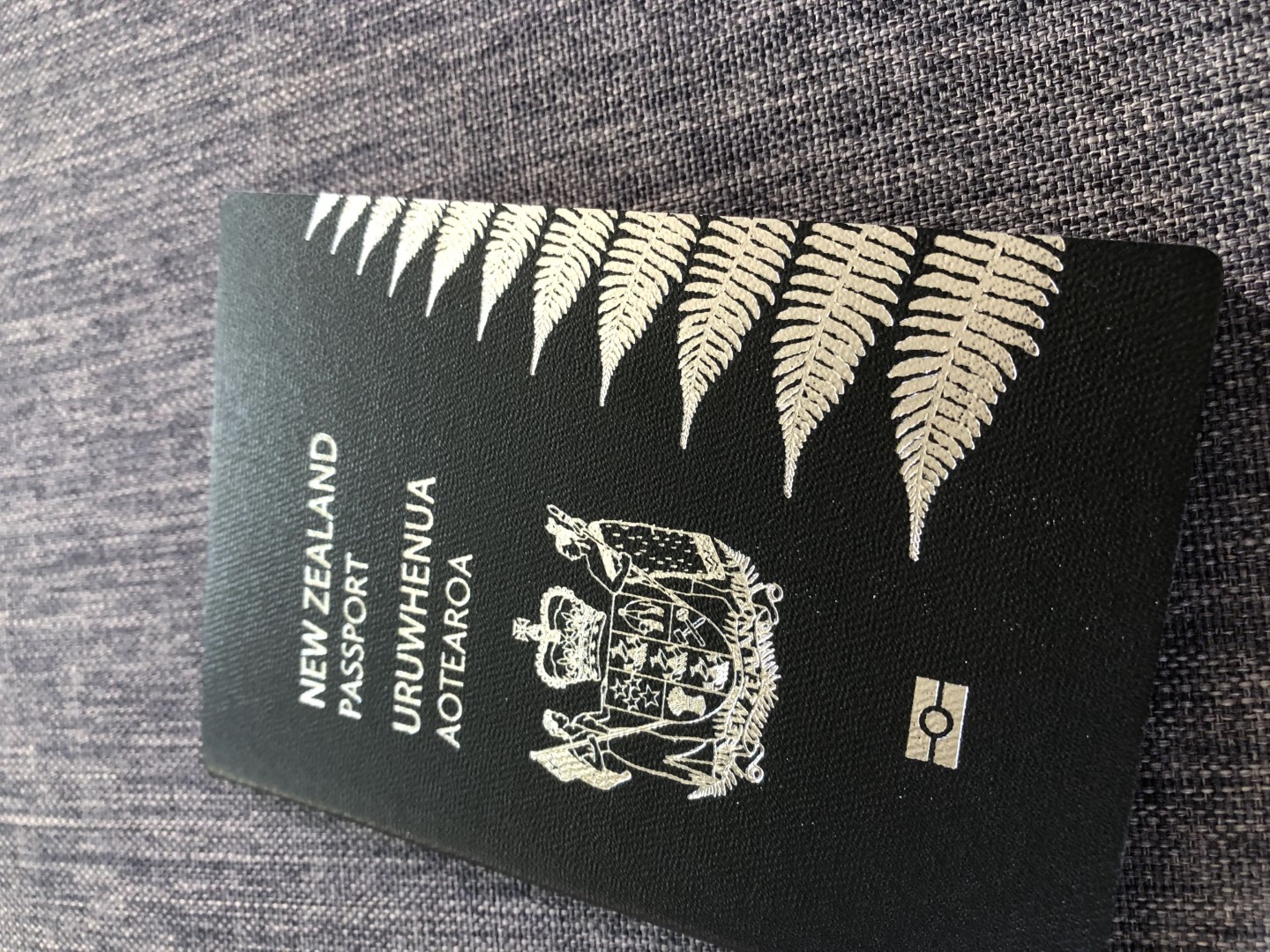
When we first started looking into moving from the UK to Aotearoa New Zealand, we sat at the kitchen table with about six browser tabs open and still couldn’t work out whether we needed an NZeTA, a working holiday visa, or something else entirely. Immigration New Zealand’s own website is thorough, but it isn’t exactly bedtime reading, and the rules genuinely do change often enough to catch people out.
This is the guide we wish someone had handed us: a plain-English map of the main New Zealand visa routes for 2026, built from the official rules, not guesswork. We are not immigration advisers, and nothing here replaces checking the current detail on immigration.govt.nz. But we can at least save you the six tabs.
In this article
- NZeTA and the visitor visa, for holidays and short trips
- Working Holiday Visa, including the different rules for the UK and the USA
- Accredited Employer Work Visa (AEWV), for skilled workers with a job offer
- Skilled Migrant Category Resident Visa and the Green List, for permanent residence
- Active Investor Plus Visa, for high-value investors
- Partner of a New Zealander Resident Visa
- Student visas
- A decision table comparing cost, who it suits and whether it leads to residence
- Our steer on which one might be right for you
- Your questions answered
A note before we start: all fees below are in New Zealand dollars (NZD), how Immigration New Zealand quotes them. We have added rough pound and dollar conversions using mid-July 2026 exchange rates (NZD $1 was roughly £0.43 or US$0.58), but currency moves daily, so treat these as a ballpark. And a bigger caveat: visa rules and fees change often. This article reflects what was published on immigration.govt.nz in July 2026. Always confirm the current position on the official site before you commit to anything.
NZeTA and the visitor visa
If you are just coming for a holiday, most Brits and Americans do not need a full visa at all. Instead, you request a New Zealand Electronic Travel Authority (NZeTA) online or through the app before you fly.
The NZeTA costs from NZD $17 (around £7 or US$10) via the app, is valid for 2 years, and lets most visitors stay up to 3 months per visit, or 6 months on a UK passport. Processing normally takes up to 72 hours, though it can take longer.
If your passport is not on the visa waiver list, or you want to stay longer than the NZeTA allows, you will need a Visitor Visa instead. That costs from NZD $441 (around £191 or US$256), allows a stay of up to 6 or 9 months depending on the type issued, and 80% of applications are processed within 2 weeks. You cannot work on either visa, though limited remote work for an overseas employer is allowed on a Visitor Visa.
Working Holiday Visa (and why the UK and USA rules differ)
This is the one most young Brits and Americans ask us about, and it is also where the two countries genuinely diverge.
UK passport holders can apply between ages 18 and 35, and must normally live in the UK or the Crown Dependencies of Jersey, Guernsey or the Isle of Man. The fee is NZD $770 (around £334 or US$447), and UK applicants can get visas for 12, 23 or 36 months, the most generous working holiday scheme New Zealand offers anyone. You need at least NZD $350 a month (around £152 or US$203) in funds, and there is an annual cap of 15,000 places. 80% of applications are processed within 3 weeks.
US passport holders face tighter rules. You must be aged 18 to 30, not 35, and the visa only runs for 12 months, with no 23 or 36-month option. The fee is the same NZD $770, but you need substantially more in the bank, at least NZD $4,200 (around £1,821 or US$2,436), and full medical insurance for your entire stay, which UK applicants are not required to hold. Processing is quick: 80% of US applications are decided within a week.
On both schemes you cannot take a permanent job, you do not need a job offer to apply, and you can study for up to 6 months. Neither leads directly to residence, though many people use the year to find an employer willing to sponsor them onto an AEWV afterwards.
Accredited Employer Work Visa (AEWV)
The AEWV is New Zealand’s main route for skilled workers who already have a job offer. You cannot apply speculatively: an employer must be accredited by Immigration New Zealand, have an approved “job check” for the role, and send you a unique link to start your application.
The fee is from NZD $1,540 (around £667 or US$893). How long you can stay depends on your job’s skill level: up to 5 years for most roles, or 3 years for ANZSCO skill level 4 or 5 jobs. 80% of applications are processed within 6.5 weeks. Your job must offer at least 30 hours a week, and skill level 3 to 5 roles require you to demonstrate English language ability.
The AEWV does not automatically lead to residence, but depending on your occupation, pay and qualifications, it can be a stepping stone towards the Skilled Migrant Category or Green List pathways below.
Skilled Migrant Category Resident Visa and the Green List
If your goal is to settle permanently, this is usually the visa people mean when they talk about “getting residence” in New Zealand.
The Skilled Migrant Category (SMC) Resident Visa costs from NZD $6,450 (around £2,796 or US$3,741). You must be 55 or younger, have a skilled job or job offer with an accredited employer, score at least 6 “skilled resident points” from your qualifications, occupational registration, income or New Zealand work experience, and demonstrate English language ability. Immigration New Zealand has confirmed changes to the SMC from 24 August 2026: a single, simpler wage threshold (no higher rate at residence stage), two new pathways (Skilled Work Experience, and Trades and Technician), extra points for New Zealand qualifications, and a tighter definition of genuine employment. Notably, self-employment will not count as skilled work experience under the two new pathways. Check the current criteria carefully before submitting an expression of interest around that date.
The Green List sits alongside the SMC as a faster route for occupations New Zealand is short of, from nurses and engineers to some trades. Tier 1 Green List jobs qualify for a Straight to Residence Visa (same NZD $6,450 fee, same age 55 cutoff), which skips the points system entirely provided you meet the pay and qualification bar for your role. Tier 2 jobs generally need 24 months of relevant New Zealand work experience on an eligible visa before you can apply for a Work to Residence Visa. Both routes lead to permanent residence once conditions are met, typically after 2 years on the resident visa.
Active Investor Plus Visa
This is New Zealand’s high-value investor route, and it operates on an entirely different scale to everything else on this list.
You need at least NZD $5 million (roughly £2.17 million or US$2.9 million) for the Growth category, or NZD $10 million (roughly £4.34 million or US$5.8 million) for the Balanced category, plus an application fee from NZD $27,470 (around £11,908 or US$15,933). Growth category investors keep their funds invested for 36 months and must spend at least 21 days in New Zealand during that period; Balanced category investors commit for 60 months and 105 days, though extra investment above the minimum can reduce the time required. 80% of applications reach “approval in principle” within 10 weeks. This route lets you live, work and study here indefinitely from the outset, and leads to permanent residence once the investment conditions are met.
Partner of a New Zealander Resident Visa
If your partner is a New Zealand citizen or resident, this is the visa built for you. The fee is from NZD $5,360 (around £2,324 or US$3,109), and Immigration New Zealand’s figures show 80% of applications processed within 7 months, noticeably longer than most work visas.
You need to have been living together in a genuine and stable relationship for at least 12 months when you apply, and your partner has to formally support your application. It lets you live, work and study in New Zealand from the day it is granted, you can include dependent children aged 24 or younger, and after 2 years in a row you can apply for a Permanent Resident Visa. One quirk: if you and your Kiwi partner have lived together overseas for 5 years or more, Immigration New Zealand may grant a Permanent Resident Visa directly instead.
Student visas
The Fee Paying Student Visa is the main route for anyone coming to study in New Zealand and paying their own way, whether that is school, a diploma or a full degree. The fee is from NZD $850 (around £369 or US$493), and the visa can run for up to 4 years, generally matching the length of the course you have paid for.
Beyond tuition, Immigration New Zealand expects you to show enough money to live on: NZD $20,000 a year (around £8,670 or US$11,600) for tertiary or English language study, or NZD $17,000 a year (around £7,370 or US$9,860) at school level, plus medical and travel insurance for the course. Most student visas allow part-time work of up to 25 hours a week during term time, and full-time during scheduled holidays, depending on your course and age. A student visa does not lead to residence on its own, but graduates often move on to a Post Study Work Visa and, from there, into the AEWV or Green List pathways.
Decision table: which visa, roughly
| Visa | Who it suits | Rough cost | Leads to residence? |
|---|---|---|---|
| NZeTA / Visitor Visa | Holidays, family visits, short trips | From NZD $17 (NZeTA) or NZD $441 (Visitor Visa) | No |
| Working Holiday Visa | Under-30s (US) or under-36s (UK) wanting a working gap year | NZD $770 | No |
| Accredited Employer Work Visa (AEWV) | Skilled workers with a confirmed NZ job offer | From NZD $1,540 | Sometimes, depending on job, pay and points |
| Skilled Migrant Category / Green List | Skilled workers under 55 who want to settle permanently | From NZD $6,450 | Yes |
| Active Investor Plus Visa | High net worth investors | From NZD $27,470 plus NZD $5-10 million invested | Yes |
| Partner of a New Zealander Resident Visa | Partners of NZ citizens or residents | From NZD $5,360 | Yes |
| Fee Paying Student Visa | International students, school through to postgraduate | From NZD $850 | Not directly, but can lead there |
Which one is right for you
If you just want to see the country, start with the NZeTA tool on immigration.govt.nz, it will tell you in minutes whether you need a full visa at all. Under the age cap and want a working year to test the water? The Working Holiday Visa is the obvious low-commitment entry point, but check the UK versus US differences above before you plan around it. Already have a firm job offer? The AEWV is your route in, and it is worth asking your prospective employer directly whether the role sits on the Green List, since that can shortcut you towards residence rather than years on temporary work visas. If your partner is a New Zealander, that relationship is usually the fastest and cheapest path to residence you will find. And if you have significant capital to invest, Active Investor Plus is there, though it is a genuinely different scale of decision to everything else here.
Whatever route looks likely, our broader guide to moving to New Zealand walks through the practical steps beyond the visa itself, and it is worth reading alongside whichever visa page applies to you.
Your questions answered
Do I need a visa to visit New Zealand from the UK or the US? Most UK and US citizens do not need a full visa for a short holiday. You will need an NZeTA instead, requested online or via the app before you travel, which costs from NZD $17 and lets UK passport holders stay up to 6 months, or 3 months for most other visa waiver countries including the US.
What’s the difference between an NZeTA and a Visitor Visa? The NZeTA is a lighter-touch electronic authority for eligible passport holders on shorter trips. A Visitor Visa costs more and takes longer to process, but allows a longer stay of up to 6 or 9 months and is available to people whose passport is not covered by the NZeTA scheme.
How old do I need to be for a Working Holiday Visa? It depends on your passport. UK citizens can apply from 18 to 35. US citizens can apply from 18 to 30. Other countries have their own age ranges, so check the specific country page on immigration.govt.nz first.
Can a Working Holiday Visa lead to residence? Not directly. It is a temporary visa. However, many people use their working holiday year to secure a skilled job offer, which can then support an AEWV application and, from there, a residence pathway.
What is the Green List and how is it different from the AEWV? The AEWV is the general work visa for anyone with a qualifying job offer from an accredited employer. The Green List is a specific list of occupations New Zealand is short of. Tier 1 jobs can apply straight for residence; Tier 2 jobs typically need 24 months of relevant New Zealand work experience first. Not every AEWV job is on the Green List.
How much money do I need for the Active Investor Plus Visa? At least NZD $5 million for the Growth category or NZD $10 million for the Balanced category, on top of an application fee from NZD $27,470. This sits in a completely different bracket to the other visas on this page.
Can my partner or children come with me on a work visa? It depends on the visa. The AEWV itself cannot include your partner or children directly, but you may be able to support a separate visitor, work or student visa for them depending on your pay and job skill level. The Skilled Migrant Category, Green List residence visas, Active Investor Plus and the Partner visa can all include a partner and dependent children aged 24 or younger in the same application.
How long does a New Zealand visa application take? It varies enormously, from 72 hours for an NZeTA to several months for a Partner of a New Zealander Resident Visa. Immigration New Zealand publishes current processing estimates on each visa’s page, and these shift with volumes, so check the specific page before you plan around a date.
Before you apply
We are not immigration advisers, and this article is not immigration or legal advice. Visa rules, fees and eligibility criteria change often, so always confirm the current position directly on immigration.govt.nz before you submit anything, and consider a licensed immigration adviser if your situation is not straightforward.
If you are still weighing up New Zealand against staying put, our guides on moving to New Zealand from the USA and moving to New Zealand from the UK cover the wider practical picture, and our piece on what it’s like to live in New Zealand is a good next stop once the visa question feels less daunting.
Got a question we haven’t covered here, or want to share how your own visa application went? Get in touch through our contact page, we read everything that comes through.
You might also like

Buying a House in New Zealand: A Migrant's Guide (2026)
Who can legally buy property in New Zealand, mortgages for new migrants, the buying process and 2026 prices, verified against LINZ, RBNZ and IRD.

Getting Married in New Zealand (and What It Means for Your Visa)
Getting married in New Zealand: the licence process, celebrants and costs for 2026, plus what marrying a Kiwi does (and doesn't) do for your visa.

How Much Does It Cost to Move to New Zealand? (2026)
Real 2026 figures for New Zealand visa fees, flights, shipping, pets, rental bond and a first car, in NZD with GBP and USD, from a couple who did it.