
Buying a Car in New Zealand: A 2026 Guide to Costs, WoF and Rego
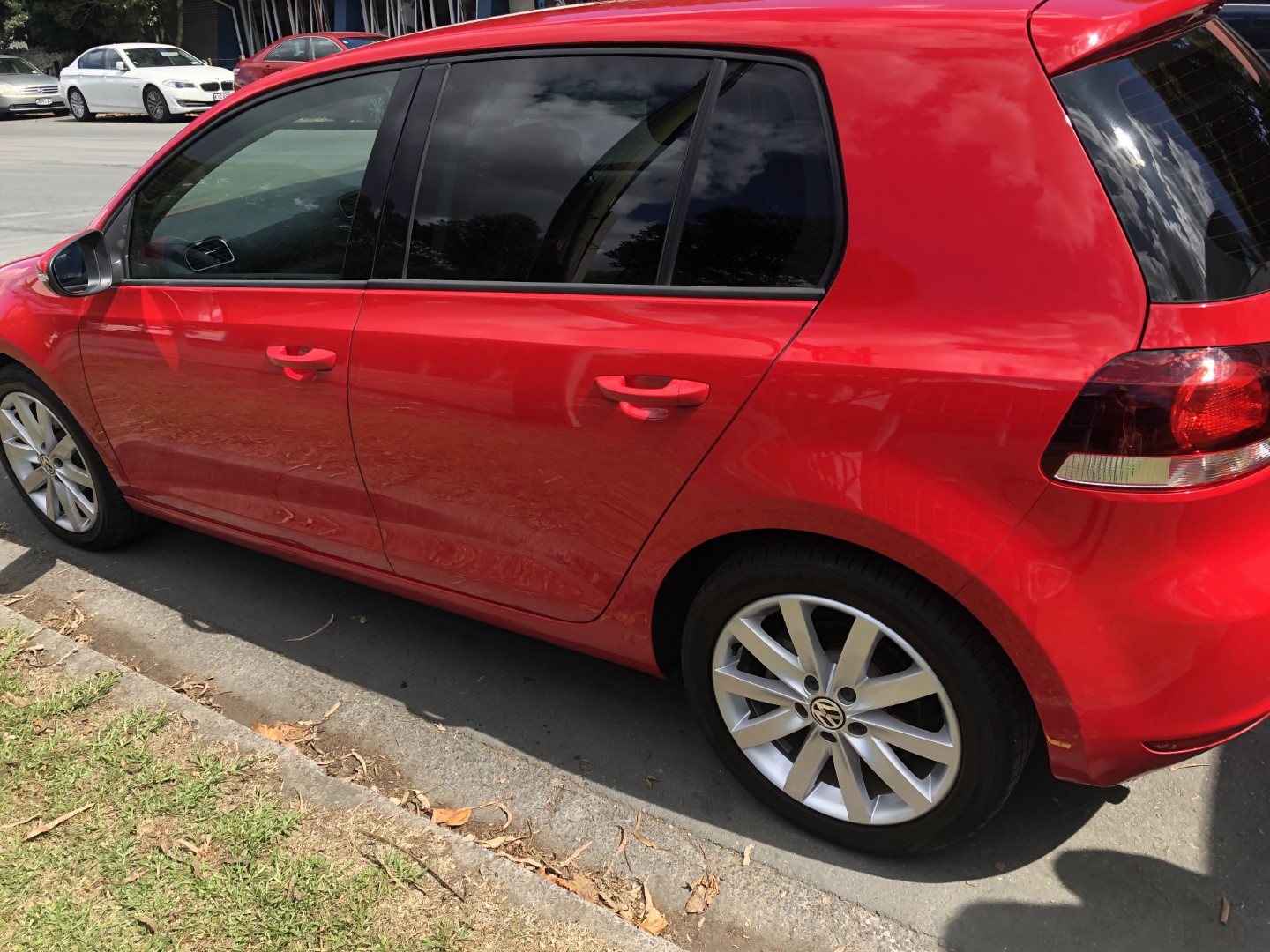
Buying a car in New Zealand is one of the first proper adult decisions you make after you land, right up there with opening a bank account and getting an IRD number sorted. We bought and sold half a dozen cars over our ten years in Aotearoa New Zealand, from a $2,000 Nissan runabout in Auckland to the camper we lived out of for months. Most of it was a Trade Me listing, a nervous test drive in a car park, and a lot of squinting at a Warrant of Fitness sticker.
This guide covers where people actually buy cars, what to check before handing over cash, the Warrant of Fitness (WoF) and registration (rego) rules for 2026, insurance, ex-Japan imports, and where electric vehicles fit now the rules have changed. Prices are in New Zealand dollars throughout. As a rough guide, in mid-July 2026 NZ$1 was worth about £0.43 and US$0.57 (Bank of England and Wise, 4 July 2026), so use that to picture the real cost from home, and check a live converter before budgeting seriously.
In this article
- Where to buy a car in New Zealand
- What to check before you buy
- WoF and rego: the rules for 2026
- Car insurance in New Zealand
- Buying an ex-Japan import
- Electric and hybrid cars in New Zealand
- The real cost of running a car
- Cost and rules at a glance
- Your questions answered
Where to buy a car in New Zealand
New Zealand doesn’t have a UK-style network of manufacturer showrooms outside the main cities, so most buyers use one of three routes.
Trade Me Motors is the default, New Zealand’s answer to eBay and its biggest car marketplace, listing everything from $500 project cars to near-new SUVs from dealers and private sellers alike.
Turners, New Zealand’s largest used car dealer network, has close to 3,000 vehicles for sale at any time across more than 20 yards nationwide, sold by auction or at a fixed BuyNow price. As a registered dealer, every car comes with a vehicle history report and legal protections private sales don’t carry. We used a Turners yard in Auckland to sell a car quickly when we left the country, and the process was painless, if not quite the price we might have got selling privately.
Independent dealers and private sellers, including Facebook Marketplace, fill the rest of the market. Private sales are usually cheaper, but you lose dealer protection. Buy from a dealer on the Motor Vehicle Traders Register and the Consumer Guarantees Act applies: the car must be of acceptable quality, with a Consumer Information Notice detailing history, condition, odometer reading and money owing, according to Consumer Protection NZ. Buy privately and none of that applies, you’re relying on the seller’s honesty and your own homework.
Only around for a short stint? Price up a rental first, our review of the Hertz Apex option for longer stays can beat buying and selling a car back to back.
What to check before you buy
Whoever you buy from, run through the checks we still do out of habit:
- PPSR check. $2.30 at ppsr.govt.nz for money owing or a security interest against the car.
- Current WoF. No WoF, no legal road use.
- Odometer and service history. Ask for the logbook, cross-checked against the CIN if buying from a dealer.
- A pre-purchase inspection. The AA, VTNZ and independent garages offer one for roughly $150 to $200, worth it without a dealer warranty.
- A proper test drive, including the open road, not just around the block.
Parts for less common European or American models can be slow and pricey here, simply because the market is small. Mainstream Japanese and Korean models dominate for a reason: cheaper to run, easier to find parts for.
WoF and rego: the rules for 2026
This is the part that catches new arrivals out: it isn’t quite UK road tax and the MOT rolled into one, though it looks similar.
Warrant of Fitness (WoF) is New Zealand’s roadworthiness check, broadly equivalent to the MOT. Vehicles first registered anywhere from 1 January 2000 currently need annual inspections, costing $50 to $90 depending on the provider (VTNZ, AA, independents).
The rules change from 1 November 2026. Waka Kotahi NZ Transport Agency has confirmed light vehicles aged four to 14 years, first registered on or after 1 November 2019, move to a two-yearly WoF instead of annual. New vehicles get their second WoF at four years instead of three. Vehicles over 14 years old move to annual checks, some currently need six-monthly ones, and the fine for a WoF more than two months out of date rises from $200 to $350.
Vehicle licensing (rego) is the closer equivalent of UK road tax, funding ACC, the no-fault scheme covering injury, not vehicle damage. Rego fees rose again in January 2026, the second stage of a planned two-year increase. As of mid-2026, 12 months of rego costs around $173 for a private petrol car and around $242 for diesel or electric, which pay more since they don’t contribute through fuel excise at the pump. First-time registration, an import for example, adds a separate one-off fee of $234 to $351. Fees have moved twice in two years, so check current figures on Waka Kotahi’s Rightcar fee checker before budgeting.
Car insurance in New Zealand
Car insurance isn’t a legal requirement in New Zealand, which surprises a lot of British readers. Rego and ACC cover injury, not vehicle damage, so if you’re at fault in a crash and uninsured, you pay for both cars yourself. We ran comprehensive cover on every car we owned, and it was one of the few New Zealand outgoings that felt genuinely reasonable next to UK prices.
There are three usual levels of cover: third party only, third party fire and theft, and comprehensive. By Q2 2026, average comprehensive cover cost around $1,311 a year (about £561 or US$748 at current rates), and third party fire and theft or third party only averaged about $475, according to Quashed’s NZ insurance index. Auckland runs highest at around $1,478, against roughly $1,115 in Wellington and $1,166 in Canterbury. Shopping around pays off, insurers here don’t compete on price as visibly as UK comparison sites. Most recognise a UK or US no-claims history if you bring proof. Our dedicated guide to car insurance in New Zealand covers cover types, excess and comparing providers in full.
New Zealand drives on the left, just like the UK, so British visitors adjust almost instantly, while Americans usually need a day or two of concentration. You can drive on a full overseas car licence for 18 months from your last arrival, though that temporary extension ends on 31 October 2026, when the limit reverts to 12 months. Hold a full UK, US, Australian, Canadian, Irish or several other recognised licences for two years or more, and you can convert to a New Zealand licence without a test, through an approved conversion agent. Some insurers charge more, or restrict cover, for drivers still on an overseas licence, so convert sooner rather than later if you’re staying.
Buying an ex-Japan import
Most secondhand cars in New Zealand started life as Japanese imports, brought in used rather than new. Buy one already registered on Trade Me or at a Turners yard and you don’t need to do anything different from the checklist above, the compliance work is done.
Importing a car yourself, either bringing your own from Japan or buying at auction there, is a bigger job. Waka Kotahi requires entry certification, separate from a WoF though usually booked together, covering a border check, VIN verification and an entry-level inspection before registration. You’ll need the original Japanese export certificate and the bill of sale. Vehicles must also meet the frontal impact standard if built from 1996 onwards, with exemptions for vehicles over 20 years old, recognised special interest vehicles, or migrating owners returning with a car they already own.
Since 2023, the Clean Car Standard has applied to every imported light vehicle, private imports included, comparing CO2 emissions per kilometre against a weight-adjusted target: under it earns a credit, over it means a charge. Get a landed-cost estimate, this charge included, before committing to importing. For most people, buying a car already on the ground is far simpler unless you have a specific reason to bring your own.
Electric and hybrid cars in New Zealand
New Zealand’s EV fleet passed the 100,000 mark in early 2026, still a small share of the roughly 4 million light vehicles on the road, but growing. Two recent changes matter before you compare an EV against a petrol equivalent.
The Clean Car Discount, the purchase rebate that used to knock money off new and used EVs, was scrapped at the end of 2023 and hasn’t returned. Don’t budget for a subsidy that no longer exists.
More recently, from 1 July 2026, EVs lost their exemption from Road User Charges, now paying $76 per 1,000km, the same as diesel, while plug-in hybrids pay a reduced $38. For 15,000km a year, that’s roughly $1,140 in RUC on top of rego and insurance, a cost EV owners didn’t carry before. Petrol cars don’t pay RUC separately, since the equivalent sits in the pump price.
New Zealand has just over 1,800 public charge points, one of the lower ratios in the OECD relative to EV numbers, though a $52.7 million government and industry investment is adding 2,500-plus more, aiming for around 4,550 points and, eventually, a government target of 10,000 by 2030. Check the charging map for wherever you’re planning to live, coverage still varies between the main centres and rural areas.
The real cost of running a car
Petrol averaged around $3.00 to $3.10 a litre for 91 octane in mid-2026, though it tracks global oil prices closely and moves fast, so check current pump prices via an app like Gaspy rather than trusting any figure here. Add WoF, rego, insurance and, if applicable, RUC (table below) and a modest used car works out broadly comparable to UK running costs once you account for the exchange rate: cheaper in some categories historically (insurance), pricier in others lately (fuel). Budget for servicing, tyres and the odd repair on top.
Cost and rules at a glance
| Item | 2026 figure | Notes |
|---|---|---|
| WoF cost | $50 to $90 | Varies by provider (VTNZ, AA, independents) |
| WoF frequency, current | Annual for most vehicles | Changing from 1 November 2026 |
| WoF frequency, from 1 Nov 2026 | Every 2 years, vehicles 4 to 14 yrs old, registered from Nov 2019 | Over 14 yrs: annual. New vehicles: first repeat check at 4 yrs |
| Rego, 12 months, petrol car | Around $173 | Waka Kotahi fee, effective January 2026 |
| Rego, 12 months, diesel/EV | Around $242 | No fuel excise contribution |
| First-time registration fee | $234 to $351 | One-off, plus ongoing rego |
| RUC, diesel and EV | $76 per 1,000km | EV exemption ended 1 July 2026 |
| RUC, plug-in hybrid | $38 per 1,000km | Reduced rate |
| Comprehensive insurance | Around $1,311/year average | Regional variation, Auckland highest |
| Third party fire and theft | Around $475/year average | Get current quotes, prices are moving fast |
| PPSR check | $2.30 | ppsr.govt.nz, always worth doing |
| Overseas driving licence validity | 18 months from last arrival | Convert sooner if settling long term |
Figures above are indicative as of July 2026 and change regularly. Always check nzta.govt.nz and your insurer for current numbers before you budget or buy.
Your questions answered
Do I need car insurance in New Zealand? No, unlike the UK. But rego only funds ACC’s no-fault injury scheme, not vehicle damage, so most people carry at least third party cover.
How much does a Warrant of Fitness cost and how often do I need one? Expect $50 to $90. Most vehicles need one annually today, but from 1 November 2026, vehicles aged 4 to 14 years and registered from November 2019 move to a two-yearly check, while vehicles over 14 years stay annual.
Can I drive on my UK or US driving licence? Yes, for up to 18 months from your last arrival on a full overseas car licence. Convert to a New Zealand licence after that, or sooner if you’re settling permanently.
Is it cheaper to buy from Turners, Trade Me or a private seller? Private sales are usually cheapest but carry no Consumer Guarantees Act protection. Turners and dealers on Trade Me cost more but come with a Consumer Information Notice, a vehicle history report and, often, a warranty.
Do electric cars still get a discount or exemption in New Zealand? No. The Clean Car Discount purchase rebate ended in December 2023, and EVs lost their Road User Charges exemption on 1 July 2026. Budget for both when comparing an EV against a petrol equivalent.
What is Road User Charges (RUC) and who has to pay it? RUC is a distance-based charge for diesel, electric and some hybrid vehicles: $76 per 1,000km for diesel and EVs, $38 for plug-in hybrids. Petrol vehicles pay the equivalent through fuel excise at the pump instead.
Can I bring my own car with me from the UK, or import one from Japan? You can, but it involves entry certification, VIN verification and Clean Car Standard compliance, and it’s rarely cheaper than buying locally unless you have a specific reason to import.
Getting on the road
We bought every car we owned in New Zealand secondhand, mostly off Trade Me, and never regretted skipping the showroom. Get your PPSR and WoF checks done, budget for rego and insurance, and you can be on the road within a week or two. Still working through the wider move? Our guide to moving to New Zealand and our piece on setting up your IRD number, bank account and phone plan cover the steps that come just before or after buying a car.
Got a question about buying or running a car in New Zealand that we haven’t covered? Get in touch through our contact page and we’ll do our best to help. As always, this isn’t financial advice, just what worked for us and what the current rules say. Check the official Waka Kotahi and Consumer Protection sites for anything time-critical before you commit.
You might also like

Best Places to Live in New Zealand in 2026: Our Honest, City-by-City Guide
Auckland, Wellington, Christchurch and six more places compared on rent, jobs and climate for 2026, from a couple who actually lived in three of them.

The Best Banks in New Zealand for Migrants
Which New Zealand bank is best for migrants in 2026: ANZ, ASB, BNZ, Westpac, Kiwibank and the challengers compared, fees, apps and deposit protection.

Buying a Lifestyle Block in New Zealand: What Nobody Tells You
What nobody tells you about buying a lifestyle block in New Zealand: water, septic, fencing, access and stock, from ten years running one ourselves.