
North Island vs South Island: Where Should You Live in New Zealand?
If you’re weighing up a move to Aotearoa New Zealand, this is usually the first big fork in the road: North Island or South Island to live? We get asked this constantly, and there isn’t a single right answer, because it depends on what you actually want from your life over there. We spent ten years living in New Zealand, based in Auckland, Wellington and Northland on the North Island, and we travelled the South Island extensively, from the Marlborough Sounds down to Bluff and everywhere in between. This is our honest, first-hand comparison, backed by the current numbers.
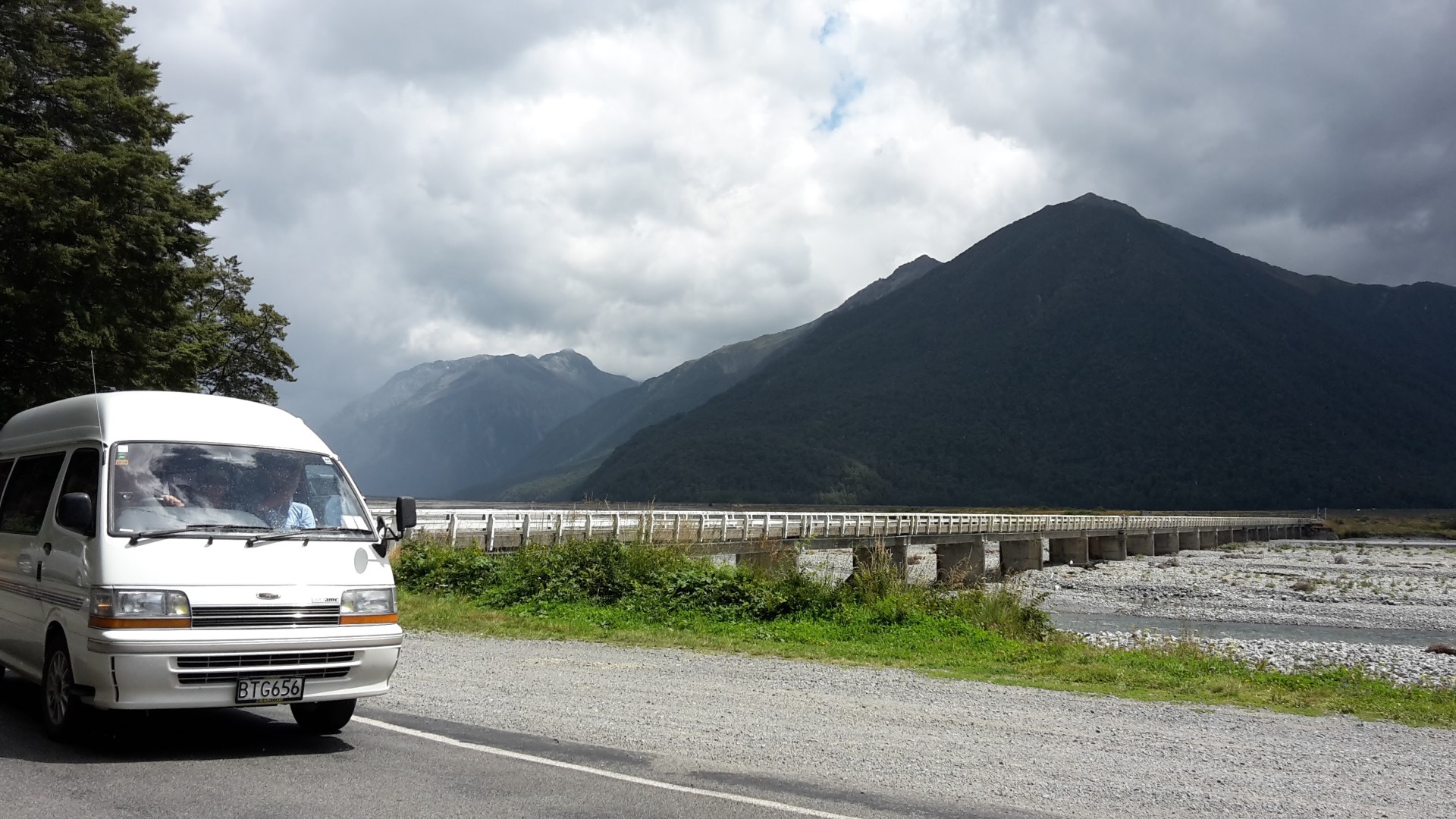
We want to be upfront about something: we lived on the North Island. We did not live on the South Island. But we crossed Cook Strait more times than we can count and road-tripped the length of it in our motorhome, enough to know it is a genuinely different place to live, not just a different island. So take our South Island comments as informed and researched rather than lived, and weigh that honestly against our North Island experience.
In this article
- Comparison table: North Island vs South Island at a glance
- Climate: milder north, crisper south
- Cost of living and housing
- Jobs and industries
- Population and lifestyle
- Nature and landscapes
- Choose the North if… choose the South if…
- Your questions answered
North Island vs South Island: comparison table
Money below is shown in New Zealand dollars first, with rough GBP and USD conversions in brackets at NZ$1 = £0.43 = US$0.58 (Xe.com mid-market rate, 16 July 2026). Exchange rates move daily, so check a live rate before you transfer anything.
| Factor | North Island (Te Ika-a-Māui) | South Island (Te Waipounamu) |
|---|---|---|
| Population | About 4.1 million, roughly 76% of New Zealand’s population | About 1.25 million, roughly 24%, but growing faster than the North |
| Climate | Milder and more humid. Winter averages around 15°C, summer around 23°C. Around 2,000 to 2,200 sunshine hours a year in the centre-north | Cooler and more seasonal. Winter averages around 10°C outside the mountains, summer around 20°C. Around 1,700 sunshine hours a year in the far south, with proper frosts and inland snow |
| House prices | Higher on average. Auckland median NZ$1,005,000 (≈£432,000/US$583,000). Wellington region around NZ$770,000 (≈£331,000/US$450,000) | Lower on average outside the resort towns. Dunedin around NZ$650,000 (≈£280,000/US$377,000). Christchurch around NZ$720,000 (≈£310,000/US$418,000). Queenstown-Lakes tops the whole country at NZ$1,550,000 (≈£667,000/US$899,000) |
| Weekly rent (main centres) | Auckland NZ$660 (≈£284/US$383). Wellington NZ$600 (≈£258/US$348) | Christchurch NZ$500 (≈£215/US$290). Dunedin around NZ$420-450 (≈£181-194/US$244-262). Queenstown runs well above both, driven by tourism demand |
| Jobs and industries | Government, finance, tech, media and construction. Auckland alone accounts for roughly a third of the country’s job listings. Wellington is the public sector and creative hub | Tourism, agriculture, horticulture and construction, plus a strong dairy and manufacturing base in Southland. More seasonal work outside Christchurch and Dunedin |
| Lifestyle | Faster pace in Auckland, political and creative energy in Wellington, warmer beach culture further north | Slower pace outside Christchurch and Queenstown, strong small-town community feel, mountains and lakes as your back garden |
| Nature | Volcanoes, geothermal Rotorua, the Bay of Islands, subtropical Northland, black and golden sand surf beaches | The Southern Alps, fiords, glaciers, braided rivers and some of the best dark sky reserves in the world |
Climate: milder north, crisper south
This is the one people underestimate. New Zealand runs nearly 1,600 kilometres from top to bottom, and the climate shifts noticeably as you go. The North Island, Te Ika-a-Māui, is warmer and more humid, especially the further north you go. Northland and the Bay of Islands feel almost subtropical in summer, with palm trees and pōhutukawa doing their thing every December. Auckland winters are mild, grey and wet rather than cold, and we rarely saw a frost there in two years.
Head south and the picture changes. Wellington, still on the North Island, gets famously windy but isn’t much colder than Auckland. Cross Cook Strait onto the South Island, Te Waipounamu, and you get real seasons: crisp, often bone-dry winters in Central Otago and Canterbury, proper snow in the high country, and summers that are warm during the day but drop away sharply once the sun goes down. We spent one July in Wanaka and woke up to a campsite where every puddle had frozen solid overnight, a shock after Auckland’s soggy but mild winters. The South Island’s west coast is the wettest part of the country, while inland Otago and Canterbury are some of the driest. If you want mild and humid, go north. If you want distinct seasons and don’t mind cold mornings, the south delivers.
Cost of living and housing
Housing is where the islands diverge most sharply, and it isn’t as simple as “South Island is cheaper.” Auckland is the country’s most expensive city by a distance, with a REINZ median house price of NZ$1,005,000 as of May 2026. Wellington sits lower, around NZ$770,000. Head south and Ōtautahi Christchurch and Dunedin are both noticeably more affordable, with medians around NZ$720,000 and NZ$650,000 respectively. But the South Island also holds the single most expensive property market in the country: Queenstown-Lakes, where the median has pushed past NZ$1,550,000, driven by tourism money and limited land.
Rents tell a similar story. Trade Me’s rental data has Auckland at NZ$660 a week and Wellington at NZ$600, against roughly NZ$500 in Christchurch and NZ$420 to NZ$450 in Dunedin. That’s a real difference if you’re renting rather than buying. What doesn’t show up in those headline numbers is winter heating. South Island homes, especially older villas and bungalows in Dunedin and Christchurch, tend to need more heating for longer, and New Zealand’s housing stock is famously under-insulated by British or North American standards, north or south. Budget for a bigger power bill in a South Island winter than you would in Auckland or Northland. Groceries and general goods can also run a touch higher in smaller South Island towns simply because of the distances freight has to travel.
Jobs and industries
Nearly a third of all New Zealand jobs are in Auckland alone, and it’s the obvious choice if you work in tech, finance, media or corporate roles. Wellington is smaller but punches well above its weight for government, policy, tech and the screen industry, thanks to Wētā Workshop and the film sector built around it. If your career depends on a deep, varied job market, the North Island wins clearly, and Auckland especially.
The South Island’s economy leans more on tourism, agriculture, horticulture and construction. Christchurch has had a genuine building boom since the 2011 and 2012 earthquakes and still has strong demand for tradespeople. Queenstown and the wider Otago region run largely on tourism, which means plenty of hospitality and seasonal work but a thinner market for office-based careers. Southland’s economy is built on dairy farming and processing. If you’re a tradesperson, work in agriculture, or want a tourism or hospitality career with mountains on your doorstep, the South Island has real opportunities, but the corporate and professional job market is thinner outside Christchurch.
Population and lifestyle
About 76% of New Zealanders live on the North Island, roughly 4.1 million people, against around 1.25 million on the South Island, which is about 24% of the population, according to Stats NZ. Interestingly, the South Island has been growing faster in percentage terms recently, even though it starts from a much smaller base. That population gap shapes daily life. The North Island has more traffic, more choice, more restaurants and more going on, especially in Auckland. The South Island feels roomier. Outside Christchurch and Queenstown, you can drive for an hour and barely see another car, which some people find liberating and others find isolating, especially if you’re used to city life.
We loved Wellington for exactly this reason: it’s small enough to feel like a proper community but big enough to have decent bars, a real live music scene and enough jobs to build a career. On our South Island trips, that same “everyone knows everyone” feeling was even stronger in towns like Wanaka or Oamaru, just at a smaller scale again.
Nature and landscapes
Both islands are stunning, but they’re stunning in different ways. The North Island gives you volcanoes (Tongariro, Ruapehu, Taranaki), geothermal wonders around Rotorua, the sweeping bays and islands of the Bay of Islands and the Coromandel, and reliably warm surf beaches. It’s a landscape of contrasts packed close together.
The South Island is the one that ends up on the postcards and the tourism campaigns: the Southern Alps, Milford Sound and the wider Fiordland, the glaciers on the West Coast, Lake Tekapo’s dark sky reserve, and the vineyards of Marlborough and Central Otago. If your idea of a good weekend is a serious hike or a ski trip, the South Island is hard to beat. If you want your outdoor time within a shorter drive of a big city and a warmer coastline, the North Island edges it.
Choose the North if…
Choose the North Island if you need a deep job market and want the widest choice of work, if you’d rather have mild, humid winters over cold, crisp ones, if you want to be near a major international airport and a bigger expat and immigrant community, or if warm beaches and a faster pace of life matter more to you than mountain scenery on your doorstep. For a detailed look at Auckland versus Wellington specifically, our Wellington vs Auckland comparison goes deeper on the two North Island cities most people are actually choosing between.
Choose the South if…
Choose the South Island if housing affordability matters more to you than job market depth, if you want real seasons and don’t mind a cold morning, if mountains, lakes and a slower pace beat city buzz for you, or if you’re happy building a life around tourism, hospitality, farming or a trade rather than a corporate career. Just go in with your eyes open about the smaller job market outside Christchurch and Queenstown, and the higher winter heating bills.
Whichever island you’re leaning towards, it’s worth reading more broadly before you commit. Our guide to the best places to live in New Zealand covers specific towns and cities on both islands, and what it’s actually like to live in New Zealand is a good honest reality check before you pack your bags.
Your questions answered
Is it cheaper to live on the South Island than the North Island? Generally yes for housing, outside Queenstown-Lakes, which is the most expensive property market in the country. Christchurch and Dunedin are both noticeably more affordable than Auckland or Wellington. But budget for higher winter heating costs and factor in a thinner job market in most South Island towns outside Christchurch.
Which island has better weather? It depends what you want. The North Island is milder and more humid year-round, with warmer winters. The South Island has more distinct seasons, colder winters with proper frosts and snow, and drier summers in places like Central Otago and Canterbury. Neither is objectively “better weather,” just different.
Where are most of the jobs in New Zealand? The North Island, and Auckland especially, which accounts for around a third of the country’s job listings. Wellington is strong for government, tech and the screen industry. The South Island’s job market leans towards tourism, agriculture, construction and trades, concentrated mainly around Christchurch, Queenstown and Dunedin.
Do more people live on the North Island or South Island? The North Island, by a wide margin. Around 76% of New Zealanders, roughly 4.1 million people, live on the North Island, against around 24%, roughly 1.25 million, on the South Island, according to Stats NZ.
Is Christchurch cheaper than Auckland? Yes, noticeably. Christchurch’s median house price sits around NZ$720,000 against Auckland’s NZ$1,005,000, and weekly rents run lower too. Christchurch also has a strong post-earthquake construction job market if you’re a tradesperson.
Can I visit both islands easily if I live in New Zealand? Yes. The Interislander and Bluebridge ferries cross Cook Strait between Wellington and Picton in around three and a half hours, and there are frequent domestic flights between the main centres. Plenty of North Islanders take South Island holidays and vice versa. It’s a small country, and neither choice cuts you off from the other.
Is Queenstown part of the South Island housing story or an outlier? It’s an outlier and worth treating separately. Queenstown-Lakes has New Zealand’s highest median house price by some margin, driven by tourism money, limited land and huge demand for short-term visitor accommodation. Don’t let Queenstown’s numbers put you off the wider South Island, which is far more affordable.
Final word
There’s no universally correct answer to North Island versus South Island. We built our life on the North Island because the jobs, the airports and the warmer winters suited us at the time, and we don’t regret it. But every South Island trip we took reminded us why so many people fall in love with it and never leave. Think honestly about what you need day to day, work, weather, community size, and let that decide it rather than the postcards.
If you’d like more help thinking through a move, our full guide on how to move to New Zealand walks through visas, budgeting and the practical steps. And if you have questions about your own situation, get in touch through our [contact page](https://goingnz.co
You might also like
Best Places to Live in New Zealand in 2026: Our Honest, City-by-City Guide
Auckland, Wellington, Christchurch and six more places compared on rent, jobs and climate for 2026, from a couple who actually lived in three of them.

The Best Banks in New Zealand for Migrants
Which New Zealand bank is best for migrants in 2026: ANZ, ASB, BNZ, Westpac, Kiwibank and the challengers compared, fees, apps and deposit protection.

Buying a Car in New Zealand: A 2026 Guide to Costs, WoF and Rego
Buying a car in New Zealand: 2026 prices for WoF, rego, insurance and RUC, plus where to buy, imports and EVs, from a couple who actually did it.