
Renting a Home in New Zealand: A Practical 2026 Guide
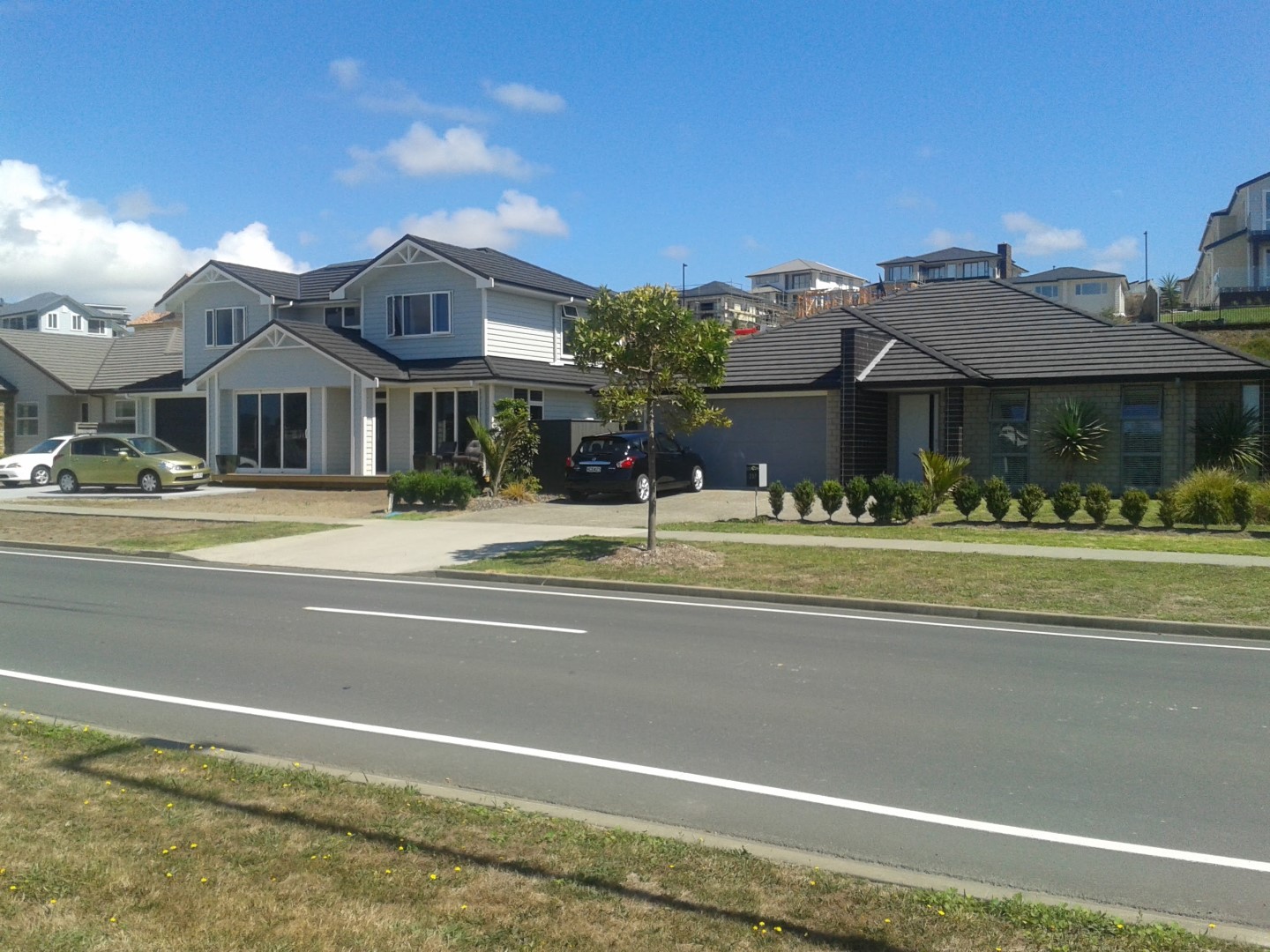
Renting a house in New Zealand is not like renting back home, and nobody warns you quite how competitive the first flat hunt can be. We found that out in Auckland, arriving mid student flatting season with a research folder full of good intentions and not much else. Between us we’ve since rented in Auckland, Wellington and rural Northland, three different markets where the rules mattered far more than we expected.
This guide covers how the rental market actually works, what it costs upfront, your rights as a tenant, and how to compete with no local rental history. We’ve checked every figure against Tenancy Services, the government body administering the Residential Tenancies Act, current as of July 2026. This is a practical guide, not legal advice, so for anything specific to your situation go straight to tenancy.govt.nz.
In this article
- How renting a house in New Zealand actually works
- What it actually costs: bond, rent in advance and fees
- Healthy Homes Standards: what your rental must have
- Your rights: notice periods, rent increases and ending a tenancy
- Renting with no New Zealand history: how we did it
- Viewing and applying: what actually works
- Your questions answered
How renting a house in New Zealand actually works
The first adjustment is the language and the maths: New Zealanders “flat”, not “rent a flat”, and rentals are almost always advertised and paid weekly, not monthly, even if your salary lands once a month. Nearly everything is listed on Trade Me Property and realestate.co.nz, with Trade Me by far the bigger for rentals and Facebook groups filling gaps in smaller towns. Most rentals are managed by a letting agent or property manager on the landlord’s behalf, though smaller landlords, especially outside the main cities, often manage directly.
Tenancies come in two forms. A periodic tenancy has no end date and runs until either side gives correct notice. A fixed-term tenancy runs for a set period, commonly 6 or 12 months, and now rolls automatically into a periodic tenancy if neither side gives notice before it expires. Most new arrivals start on a 12-month fixed term, since it reassures a landlord with no history to judge you on. Still deciding where to settle? Our guide to the best places to live in New Zealand is worth reading first.
Demand is regional and seasonal. Auckland gets a crunch every January and February as students and graduates chase term-start flats, exactly the window we landed in. Wellington’s market is smaller, shaped by the public service and university calendar. Northland and other rural regions move slower still: fewer listings, less competition, but also fewer properties, so you may simply wait longer.
What it actually costs: bond, rent in advance and fees
New Zealand law is unusually clear about what a landlord can ask for before you move in, and it’s worth knowing the limits, because a request outside them is a red flag, not a normal negotiation. Only three payments are lawful upfront: a bond, a pet bond if a pet’s involved, and rent in advance. There is no letting fee: charging tenants simply for granting, renewing or varying a tenancy has been unlawful since 12 December 2018, with damages of up to $1,000 for a landlord or agent who tries it anyway. A property manager’s fee, and any credit check, are the landlord’s cost, not yours. Full limits for each are in the table below.
Put together, an Auckland rental at the current median of NZD $660 a week (Trade Me Rental Price Index, January 2026) could mean a bond of $2,640 plus 2 weeks in advance of $1,320: $3,960 before any furniture. At roughly NZD $1 to GBP $0.43 and USD $0.58 (mid July 2026 rates, which move daily), that’s about £1,704 or $2,297, a genuine chunk of the cost of living to plan for in cash before you get the keys.
| Cost or rule | Amount or requirement | Note |
|---|---|---|
| Bond | Up to 4 weeks’ rent | Lodged with Tenancy Services within 23 working days; refunded once both parties agree, usually 5 to 10 working days after you move out |
| Pet bond | Up to 2 further weeks’ rent | Only if the landlord has given written pet consent; in force since 1 December 2025; one bond per tenancy regardless of how many pets |
| Rent in advance | Up to 2 weeks (weekly rent) or 1 month (monthly rent) | The only other upfront payment a landlord can lawfully request |
| Letting fee | Nil | Banned since 12 December 2018; a landlord can still hire a property manager but must pay the fee themselves |
| Credit check | Nil to you | A landlord can ask for your consent to run one but must cover the cost |
| Rent increases | Once every 12 months, with 60 days’ written notice | Applies whether you’re on a periodic or fixed-term tenancy |
| Tenant ending a periodic tenancy | 21 days’ written notice | The landlord can agree to a shorter period |
| Landlord ending a periodic tenancy, no reason needed | 90 days’ written notice | Introduced by the Residential Tenancies Amendment Act 2024, in force since 30 January 2025 |
| Landlord ending a periodic tenancy for sale, owner’s own use, or employee housing | 42 days’ written notice | Conditions apply, see tenancy.govt.nz |
Healthy Homes Standards: what your rental must have
Since 1 July 2025, every privately rented home in New Zealand has had to meet the government’s Healthy Homes Standards in full, regardless of when the tenancy started, setting a legal floor under the kind of property you’ll be shown.
The standards cover five things. Heating: a fixed heater, usually a heat pump, able to warm the main living room to at least 18 degrees Celsius. Insulation: compulsory ceiling and underfloor insulation, higher R-values required in the South Island than the North. Ventilation: an openable window or door in every liveable room, plus extractor fans in the kitchen and bathroom. Moisture and drainage: working guttering and downpipes, and a ground moisture barrier under an enclosed subfloor. Draught stopping: unreasonable gaps in walls, floors, doors and windows blocked.
A landlord who doesn’t meet these standards is in breach of the Residential Tenancies Act, facing penalties of up to $7,200. Every new, renewed or varied tenancy agreement must also come with a signed compliance statement setting out where the property stands against each standard; leaving it out risks a further penalty of up to $500. Ask to see it. If a property manager can’t produce one, that tells you something.
Older character villas, common in inner Auckland and Wellington, can be gorgeous and genuinely cold, so don’t assume charm equals warmth. At a viewing, look for a heat pump in the main living area and check bedroom windows actually open. It’s the legal minimum you’re entitled to.
Your rights: notice periods, rent increases and ending a tenancy
The Residential Tenancies Amendment Act 2024 reshaped how tenancies end, in force since 30 January 2025 for every rental, not just new ones. The headline change: a landlord can end a periodic tenancy without giving any reason, with 90 days’ written notice, a real shift in bargaining power worth knowing about going in. Shorter notice of 42 days still applies if the landlord or a family member needs the property to live in, it’s been unconditionally sold requiring vacant possession, or it’s needed for an employee or contractor.
As a tenant, you can end a periodic tenancy with 21 days’ notice, and your landlord can agree to less. A fixed-term tenancy is different: neither side can walk away early without the other’s agreement, and a landlord not renewing must give notice between the 90th and 21st day before it expires, or the tenancy rolls into a periodic one.
Rent can only rise once every 12 months, with 60 days’ written notice of the new amount and effective date. Less than 12 months since the last rise, and the increase isn’t lawful. Your landlord also needs a valid reason and correct notice to enter the property, has to keep it reasonably maintained, and can’t unreasonably withhold consent for minor changes like shelves. If something goes wrong, Tenancy Services runs a free mediation service before anything reaches the Tenancy Tribunal.
Renting with no New Zealand history: how we did it
This is the part that actually worried us before we moved, and most guides skip over it. Every rental application asks for references and rental history, and when you’ve just landed, you have neither.
Landlords cannot legally require your references to come from New Zealand. A reference from a landlord or letting agent back home is legitimate evidence, even if the property manager reading it can’t easily ring your old landlord in Leeds to check. We used our previous UK landlord, a letter from Isaac’s employer confirming the job that had brought us out, and a short cover note explaining who we were and why we’d chosen Auckland. A one-paragraph introduction attached to the application, rather than a bare form, made a real difference in how we were remembered among a stack of applicants.
Money talks too, within the legal limits above. Offering rent in advance up to the maximum, and confirming you can move in on their preferred date, signals stability in a way a stranger’s form can’t. If a friend, family member or new employer will act as a guarantor, someone with local financial standing who’ll cover unpaid rent or damage if you default, offering that proactively is worth more than almost anything else on the application.
Our own flat hunting lessons, Auckland
We arrived in the middle of summer, right as Auckland’s university students flooded back for term, the single worst time to be flat hunting in the city. Three lessons came out of that fortnight, learned the hard way.
First, don’t be late, ever. Five minutes behind for our very first viewing, having got genuinely lost in an unfamiliar city, we found the property manager had already driven past, seen no one waiting, and left, no call or text to check if we were stuck in traffic. With more applicants than properties, agents simply move on rather than wait.
Second, come with your application ready to hand over at the viewing itself, not after. At our second viewing, an open home with around 20 people queuing on the pavement outside, everyone serious was submitting a completed application on the spot. Turning up with the form filled in, ID copied and references attached puts you in an agent’s memory before you’ve even left the property.
Third, move fast on anything new. Between viewings on our third day, we checked Trade Me during a gap and found a listing ten minutes’ walk away that had gone up less than an hour earlier. We called immediately, the property manager fitted us in within half an hour, and told us she’d already had seven calls in that short window. We filled in the paperwork on the spot; she liked us and offered the place there and then, no credit check, move in that Sunday. That was 2015, before the letting fee ban above, and “no letting fee” was still advertised as a selling point on some listings, a sign of how normal the practice used to be. We took it immediately, since the other two places we’d liked had already gone to faster applicants.
Wellington and Northland were both gentler by comparison, smaller pools of applicants and, in Northland especially, far more direct contact with owner landlords rather than agencies. The lesson that carried over everywhere was the same: be ready before you view, not after.
Viewing and applying: what actually works
A few habits make the difference between weeks of frustration and a signed lease. Bring a copy of your application to every viewing, references, proof of income and photo ID included, ready to hand over on the spot. Turn up early rather than on time. Ask about the Healthy Homes compliance statement if it isn’t offered. Photograph the property at the viewing and again at the initial inspection, since a clear photographic record protects your bond far better than a hazy memory.
Rent varies enormously by region, so check a current figure before setting a budget. Trade Me’s Rental Price Index for January 2026 gives a useful regional snapshot, broadly corroborated by realestate.co.nz’s own reporting for April 2026.
| Region | Median weekly rent (NZD) | Approx. GBP | Approx. USD |
|---|---|---|---|
| Auckland | $660 | £284 | $383 |
| Bay of Plenty | $650 | £280 | $377 |
| Wellington | $625 | £269 | $363 |
| Otago | $620 | £267 | $360 |
| National median | $620 | £267 | $360 |
| Northland | $600 | £258 | $348 |
| Canterbury | $575 | £247 | $334 |
These are advertised asking rents for new listings, not the average of every existing tenancy, so a tenant on a lease signed a couple of years ago may well be paying less. Treat this as a snapshot rather than gospel, and check Trade Me Property directly before you set a budget.
Your questions answered
How much bond can a landlord ask for in New Zealand?
Up to 4 weeks’ rent, and no more. It’s lodged with Tenancy Services rather than kept by the landlord or agent, and refunded once both sides agree at the end of the tenancy, usually within 5 to 10 working days.
Can a landlord charge a letting fee in New Zealand?
No. Letting fees charged to tenants have been unlawful since 12 December 2018. A landlord can still use a property management company, but the fee for that service comes out of the landlord’s pocket.
Is rent paid weekly or monthly in New Zealand?
Almost always weekly, both in how it’s advertised and how it’s paid, even though most salaries land monthly. Rent in advance is capped at 2 weeks for a weekly tenancy or 1 month for a monthly one.
Can my landlord end my tenancy without giving a reason?
For a periodic tenancy, yes, provided they give 90 days’ written notice. This came into force on 30 January 2025 under the Residential Tenancies Amendment Act 2024. Shorter notice of 42 days applies if the landlord needs the property for their own or a family member’s use, for an employee, or because of an unconditional sale.
What are the Healthy Homes Standards, and do all rentals have to meet them?
They’re the legal minimum for heating, insulation, ventilation, moisture control and draught stopping in a rental home. Since 1 July 2025, every private rental in New Zealand must meet them in full, regardless of when the tenancy began, and landlords in breach can face penalties of up to $7,200.
How can I rent a home in New Zealand with no local rental history?
Overseas references from a previous landlord or letting agent are legally valid, even though a New Zealand property manager can’t easily verify them by phone. A short cover letter, proof of income, an offer of rent in advance up to the legal limit, and a guarantor with New Zealand financial standing if you can arrange one, all strengthen an application with no local track record.
Can I keep a pet in a rented home in New Zealand?
Only with the landlord’s written consent, which they can’t unreasonably withhold in most cases. Since 1 December 2025, a landlord who consents can also charge a pet bond of up to 2 further weeks’ rent, capped at one bond per tenancy no matter how many pets you have.
Ready to find your place
Finding somewhere to live is one of the first real tests of a move to New Zealand, and it’s easier once you know the rules before you’re standing outside a viewing with twenty other people. Once your lease is signed, the next jobs are sorting your IRD number, bank account and phone and settling into the wider rhythm of daily life, covered in our guide to what it’s like to live in New Zealand. For the full picture, from visas to shipping to this exact stage of house hunting, our complete guide to moving to New Zealand is the place to start, and our full paid relocation guide has an entire chapter walking through renting your first home step by step, application to bond refund.
We’re not lawyers or licensed advisers, so for anything specific to your own tenancy, go straight to tenancy.govt.nz rather than relying on a blog. Got a question about your own move? Get in touch through our contact page.
You might also like

Best Places to Live in New Zealand in 2026: Our Honest, City-by-City Guide
Auckland, Wellington, Christchurch and six more places compared on rent, jobs and climate for 2026, from a couple who actually lived in three of them.

The Best Banks in New Zealand for Migrants
Which New Zealand bank is best for migrants in 2026: ANZ, ASB, BNZ, Westpac, Kiwibank and the challengers compared, fees, apps and deposit protection.

Buying a Car in New Zealand: A 2026 Guide to Costs, WoF and Rego
Buying a car in New Zealand: 2026 prices for WoF, rego, insurance and RUC, plus where to buy, imports and EVs, from a couple who actually did it.