
Buying a House in New Zealand: A Migrant's Guide (2026)
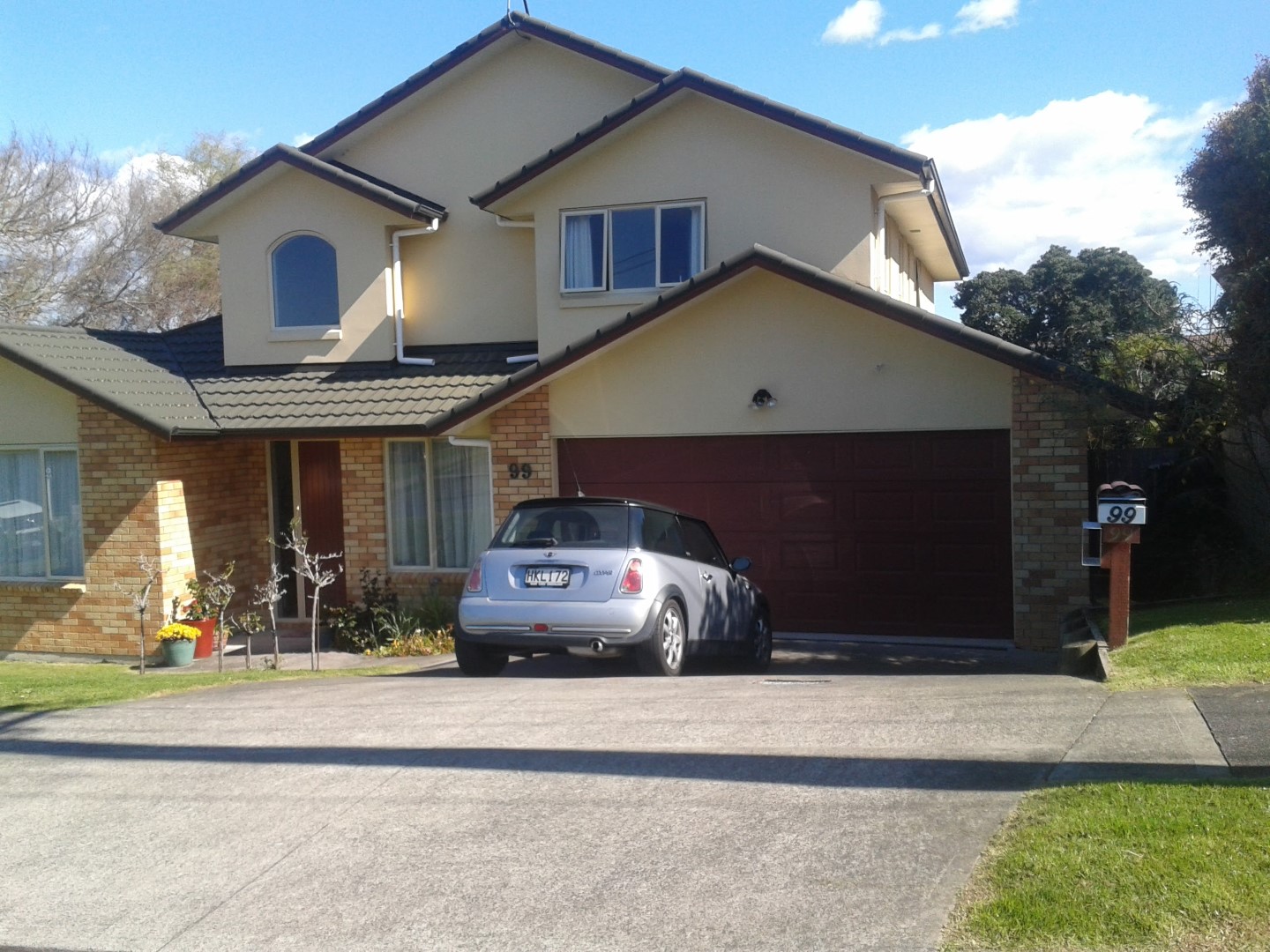
Buying a house in New Zealand as a migrant is entirely possible, but the rules depend heavily on your visa status, and they changed again in March 2026. Most permanent residents and citizens can buy freely, most temporary visa holders cannot buy at all, and a small new category of wealthy investor-visa holders can now buy one high-value home under strict conditions. Add a genuinely different buying process (auctions, LIM reports, no cooling-off period once you sign) and it’s easy to see why migrants find the whole thing confusing.
We have been through this ourselves. After renting in Auckland and Wellington and a stretch living full-time in our motorhome, we bought in Northland: a tiny house first, and then a lifestyle block with an old house that we spent two years renovating before subdividing the land and selling. So we know the settlement-day nerves, the LIM report surprises and how much paperwork a council subdivision consent really involves. This guide pairs that experience with the current rules straight from Toitū Te Whenua Land Information New Zealand (LINZ), the Reserve Bank and Inland Revenue, verified in July 2026. It is not legal, financial or investment advice: for anything that affects your own purchase, talk to a licensed conveyancer or property lawyer and check the official sources linked throughout.
In this article
- Who can actually buy property in New Zealand as an overseas person
- The March 2026 change for investor-visa holders, explained properly
- Getting a mortgage as a new migrant: deposits, LVR and DTI rules
- What happened to the old first-home buyer schemes
- The buying process, step by step: LIM, builder’s report, auctions, settlement
- The bright-line test and other costs to budget for
- Typical house prices around the country in 2026
- Your questions answered
Who can buy a house in New Zealand?
New Zealand has restricted most overseas buyers from owning residential property since the Overseas Investment Amendment Act came into force in October 2018. If you are not a citizen or a resident genuinely settled here, you generally cannot buy an existing home. The detail depends on your visa and how long you’ve been living here, so the table below is your quick reference, with the two exceptions worth understanding properly underneath.
The key concept is “ordinarily resident.” Residence class visa holders who are ordinarily resident can buy without restriction, same as a citizen. To qualify you need three things at once: a residence class visa, at least 12 months living in New Zealand before you sign the agreement, and more than 183 days personally present in that window (which also makes you a tax resident). Not there yet? You can still buy one home to live in, but need LINZ consent first, either pre-approved (valid a year, no extra cost) or tied to a specific property. Standard consent takes up to 10 working days; land that is also “otherwise sensitive” (an island, next to a reserve or the coast) takes up to 30 and costs considerably more.
Temporary visa holders, work, student or visitor, cannot buy under this pathway at all, however long the visa has left. Australian and Singaporean citizens and permanent residents are a genuine exception under trade agreements with both countries, and can generally buy without consent. New builds sit slightly outside all this too: overseas persons can apply under the “increased housing supply” pathway if the purchase adds to the housing stock, and some large apartment developments hold exemption certificates letting up to 60% of units go to overseas buyers. Specialist routes, worth a property lawyer’s input from day one.
The March 2026 change: investor-visa holders can now buy one high-value home
This is the update worth knowing if you’re moving under one of New Zealand’s investor visa categories. From 6 March 2026, an amendment to the Overseas Investment Act 2005 opened a narrow new pathway: holders of the Active Investor Plus (AIP) visa, and holders of the older Investor 1 and Investor 2 resident visas, can apply for consent to buy or build one residential property valued above NZ$5 million (including GST). OIO consent is still required, with the sale and purchase agreement made conditional on it, and it’s one property at a time: sell any earlier one bought this way before buying another. Notably, a home bought under this pathway doesn’t count towards the AIP visa’s own investment thresholds; it’s a place to live, not an eligible investment.
Before March 2026, this route simply didn’t exist. It doesn’t touch the rules for anyone else: work, student and visitor visa holders remain locked out, and there’s no general loosening of the 2018 foreign buyer ban. This is a fast-moving area of law, so confirm your own position directly with LINZ’s Overseas Investment Office, and use their homebuyer eligibility tool as a starting point, not a final answer.
Who can buy property in New Zealand: quick reference
| Buyer category | Can buy? | Conditions |
|---|---|---|
| New Zealand citizen | Yes | No restrictions, even living overseas |
| Resident visa holder, “ordinarily resident” (12+ months living here, 183+ days present) | Yes | No restrictions |
| Resident visa holder, not yet “ordinarily resident” | Yes, one home | Needs LINZ (OIO) consent first; must live in it |
| Australian or Singaporean citizen / permanent resident | Yes | No consent needed for most residential/lifestyle land |
| Active Investor Plus, or former Investor 1/2 visa holder (from 6 March 2026) | Yes, one home | Needs OIO consent; property must exceed NZ$5 million; must sell any earlier such property first |
| Temporary visa holder (work, student, visitor) | No | Not eligible under the “one home to live in” pathway |
| Overseas person, new build or qualifying new apartment development | Sometimes | ”Increased housing supply” consent, or development holds an exemption certificate |
| Overseas person with no visa and no exemption | No | Not eligible |
Source: LINZ, current as at March 2026. Always confirm your own category with LINZ directly, since circumstances like trusts, companies or spouses on different visas can change the answer.
Getting a mortgage as a new migrant
If you are eligible to buy, the mortgage side is more forgiving than people expect, but it depends on residency status. Ordinarily resident visa holders get the same terms as citizens, loans up to 80% or even 90% of the property’s value. On a temporary work visa but heading towards residence, some banks will still lend, though requirements vary widely: some work with a 20% deposit, others want considerably more, a few won’t touch a temporary visa at all. Stable New Zealand income and the visa’s likely path to residence tend to matter more than deposit size alone, and a mortgage broker who deals with migrants regularly is worth the conversation.
Two Reserve Bank rules shape everyone’s deposit and borrowing power. Loan-to-value ratio (LVR) restrictions cap how much banks can lend above set thresholds: no more than 25% of new owner-occupier lending can go above 80% LVR (under a 20% deposit), and no more than 10% of investor lending above 70% LVR. Settings were eased through late 2025, so a 10% or even 5% deposit is achievable for some, particularly with a Kāinga Ora First Home Loan or a new build, both exempt from LVR restrictions, though banks still apply their own lending criteria on top of the Reserve Bank speed limit. Debt-to-income (DTI) restrictions, in place since 1 July 2024, cap owner-occupiers at six times gross annual income across all debt and investors at seven times, with new builds, refinancing and Kāinga Ora loans exempt.
As at July 2026, advertised two-year fixed rates from the major banks sit broadly in the 5% to 5.5% range, though the Official Cash Rate has been ticking back up through the year, so check current rates rather than trusting anything printed here. Mortgages work similarly to the UK: table loans, reducing loans, and a choice between fixed and floating rates, with fixed terms of one to five years standard.
What happened to the old first-home buyer schemes
If you researched this a few years ago, some of it is now out of date. The government discontinued the First Home Grant (the old KiwiSaver-linked cash payment, up to $5,000 for an existing home or $10,000 for a new build) in May 2024, redirecting the funding towards social housing. KiwiBuild, the flagship new-build scheme launched in 2018, was also wound down after building a fraction of its 100,000-home target.
Two mechanisms do still exist. The KiwiSaver first-home withdrawal lets you pull most of your balance (after three years as a member) towards a first home, leaving a minimum $1,000 in the account. The Kāinga Ora First Home Loan is a government-backed low-deposit loan, letting eligible first-home buyers in with as little as 5% deposit, avoiding Lender’s Mortgage Insurance. Both have income and price caps that vary by region, so check current thresholds directly with Kāinga Ora or IRD.
The buying process, step by step
The mechanics feel familiar if you’ve bought in the UK or the US, with one sharp difference: once a sale and purchase agreement goes unconditional, whether through negotiation or an auction hammer falling, you are legally committed. There is no cooling-off period.
- Sort your finances first. Get mortgage pre-approval (and OIO pre-approval, if you need it) before you look seriously. Agents and vendors take pre-approved buyers more seriously.
- Search. Trade Me Property, realestate.co.nz and OneRoof cover almost every listing. Open homes, usually weekends, are the normal way to view.
- Order a LIM report. This council-issued Land Information Memorandum covers consents, rates, zoning, hazards and known building issues. Up to 10 working days, roughly $300 to $550.
- Get a builder’s report. An independent inspector checks the physical condition, moisture, structure, roofing, cladding. Typically $400 to $1,000 depending on size and location.
- Make an offer, if selling by negotiation or asking price, conditional on finance, a satisfactory LIM, builder’s report and sometimes OIO consent. Never sign without a lawyer reviewing it first.
- Or bid at auction. Roughly one in seven residential sales nationally happen this way, with no conditions at all: complete your due diligence beforehand, because winning the bid makes you unconditionally bound on the spot. OIO pre-approval must already be in place before you bid.
- Go unconditional, then pay a deposit, typically 10% of the purchase price, into your lawyer’s trust account.
- Settlement. Your lawyer handles the transfer, registers the title with LINZ, and coordinates funds with your bank. Keys usually change hands four to six weeks after going unconditional.
Budget for legal fees too: a property lawyer typically charges $1,000 to $2,500 for a straightforward purchase. Settled.govt.nz, the Real Estate Authority’s independent guidance site, is genuinely useful for each stage in more depth.
The bright-line test and other costs to know
New Zealand has no general capital gains tax, but it does have the bright-line test, which taxes profit on a property sale within a set period of buying it, unless an exclusion applies (mainly, that it was genuinely your main home throughout). For any property sold on or after 1 July 2024, the bright-line period is two years, measured from the date the title was registered in your name to the date you agree to sell, and it applies no matter when you bought. Sell within that window and profit is generally taxable, subject to exclusions; sell after it and the test no longer applies, though other land sale rules can occasionally still bite. This replaced the old 5 and 10-year rules (which now only matter for sales completed before July 2024), so ignore anything you read about those, and confirm your own situation with Inland Revenue or a tax adviser.
Beyond the purchase price, budget for LINZ/OIO consent fees if they apply ($2,040 standard), legal fees, the LIM and builder’s report, a registered valuation if your bank needs one, insurance from settlement day, and council rates.
Typical house prices in 2026
Prices vary enormously by region. As a rough guide, based on REINZ’s May 2026 data:
| Region | Median sale price (May 2026) |
|---|---|
| National (all New Zealand) | NZ$775,000 |
| Auckland | NZ$1,005,000 |
| New Zealand excluding Auckland | NZ$700,000 |
| Wellington City | NZ$857,500 |
| Canterbury (Christchurch) | NZ$725,000 |
| Southland | NZ$540,000 |
Source: REINZ, May 2026. At current exchange rates (NZ$1 is roughly £0.43 and US$0.58 as at mid-July 2026, and these move constantly, so check a live converter), the national median works out to around £336,000 or US$453,000, and Auckland’s to around £436,000 or US$588,000. Individual suburbs, especially in Auckland, Queenstown and parts of Wellington, run well above these medians, while plenty of provincial towns sit below.
Our own take on it
When we finally bought, in Northland, what struck us most was how fast everything moves once you’re in a conditional period, and how much confidence Kiwi buyers have with auctions compared with Brits, who tend to find bidding with no cooling-off period faintly terrifying. If you’re coming from the UK or the US, that’s the biggest mental adjustment: get every piece of due diligence done before you make an offer, not after, because by the time you’re asking questions it may already be too late to walk away. Two more things our own buys taught us. Old rural houses hide their problems well, so a proper builder’s report is worth every dollar (ours turned a two-month tidy-up plan into a two-year renovation). And if your property has subdivision potential, the council consent process is slow and paperwork-heavy; the surveyors and planners earn their fees.
Still weighing up whether to rent or buy at all when you first land? Our guide to renting a home in New Zealand covers the rental side in full, a sensible first step for most migrants while you get a feel for a region or suburb you like enough to commit to. It’s also worth working through what property will cost you month to month in our cost of living guide.
Your questions answered
Can I buy a house in New Zealand on a work visa? Generally no. Temporary visa holders aren’t eligible under the “one home to live in” pathway, however long the visa has left. You need a residence class visa, or one of the narrower exceptions above.
How long do I need to live in New Zealand before I can buy without restrictions? You need to be “ordinarily resident”: a residence class visa, 12 months living here before you sign, and more than 183 days personally present in that period. Until then, you can still buy one home, but need LINZ consent first.
Do Australians need permission to buy property in New Zealand? No, in most cases. Australian citizens and permanent residents can generally buy residential or lifestyle property without OIO consent, though extra consent is needed if the land is also classed as sensitive.
What is the March 2026 rule change I keep hearing about? From 6 March 2026, Active Investor Plus visa holders and older Investor 1/2 visa holders can apply for OIO consent to buy or build one residential property worth more than NZ$5 million. A narrow, high-value pathway; it doesn’t change the rules for any other visa type.
What deposit will I need for a mortgage in New Zealand? Most owner-occupiers need 20% or more, though Reserve Bank LVR settings allow banks some room above that for part of their lending. New builds are exempt, and the Kāinga Ora First Home Loan allows eligible first-home buyers in with as little as 5% deposit.
Is there still a first-home buyer cash grant in New Zealand? No, the First Home Grant was discontinued in May 2024. The KiwiSaver first-home withdrawal and the Kāinga Ora First Home Loan remain the main government support left.
How does the bright-line test affect me if I sell quickly? Sell within two years of the title being registered in your name (for property bought on or after 1 July 2024) and profit is generally taxable unless an exclusion applies, most commonly that it was genuinely your main home throughout.
Where can I get official, up-to-date guidance rather than a summary like this one? LINZ’s Buying residential property to live in guidance for eligibility, Settled.govt.nz for the buyer journey, and IRD’s bright-line test page for tax.
Ready to get the rest of your move sorted?
Buying a house is usually one of the last pieces to fall into place, well after the visa, the flights and the first few months finding your feet. If you’re still working out the earlier steps, our guide to how to move to New Zealand and our breakdown of New Zealand visas explained are the places to start, and our full paid relocation guide has an entire chapter walking through the property market, deposits and the settlement process in more depth than we can fit here.
None of this is legal, financial or investment advice, and property rules for migrants change often enough that anything written today deserves checking against the official source before you rely on it: LINZ’s Overseas Investment Office for eligibility, and settled.govt.nz for the buying process itself. If you’d like our take on your specific situation once you have the official position in hand, get in touch through our contact page and we’ll do our best to help, or point you towards someone who can.
You might also like

Getting Married in New Zealand (and What It Means for Your Visa)
Getting married in New Zealand: the licence process, celebrants and costs for 2026, plus what marrying a Kiwi does (and doesn't) do for your visa.

How Much Does It Cost to Move to New Zealand? (2026)
Real 2026 figures for New Zealand visa fees, flights, shipping, pets, rental bond and a first car, in NZD with GBP and USD, from a couple who did it.
Moving to New Zealand from Australia
No visa needed. A practical 2026 guide to moving to New Zealand from Australia: healthcare, KiwiSaver, tax, shipping, pets and driving, researched properly.