
Shipping Belongings to New Zealand: Costs & Rules
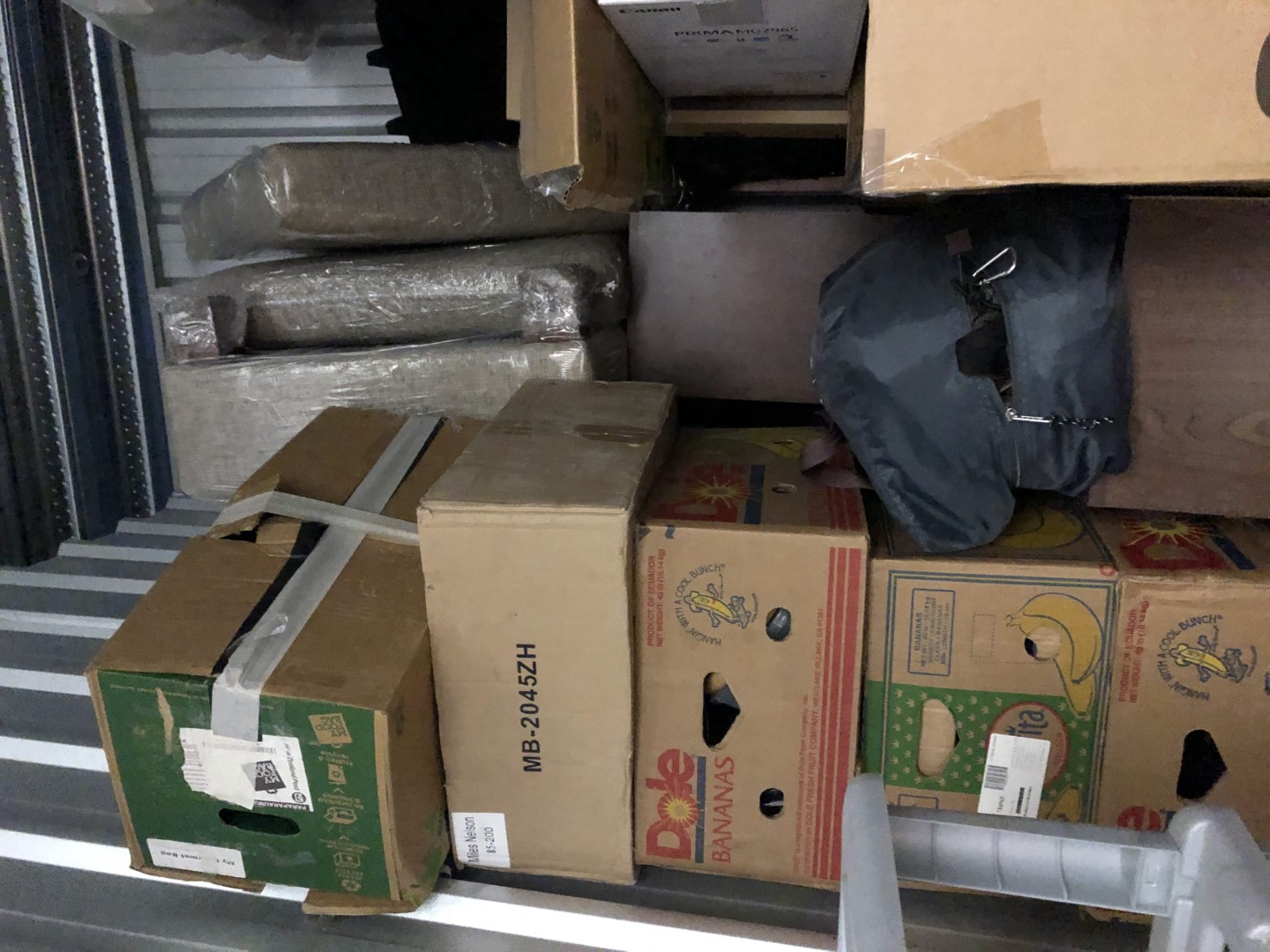
We shipped our whole life from the UK to New Zealand. Not everything, we’ll get to that, but enough that a shared container turned up on a truck outside a house in Auckland several weeks after we’d said goodbye to it in a warehouse in England. Watching someone else unpack the last ten years of your belongings on a stranger’s driveway is a strange kind of homecoming. It also taught us fast that shipping your belongings to New Zealand is less about the sea voyage and much more about the paperwork either side of it.
This guide covers your shipping options, roughly what they cost and how long they take, what’s worth bringing, and the biosecurity rules that catch out more migrants than almost anything else in the process. We shipped from the UK ourselves, so that side is lived experience. We’ve researched the US side just as thoroughly, so if you’re moving from the States the numbers below should serve you just as well, even though we haven’t personally driven a container out of Long Beach.
One thing up front: this is not customs advice. Duty, GST and biosecurity rules change, and your own circumstances affect the answer. For anything that needs to be right, go straight to MPI and NZ Customs, or a licensed customs broker.
In this article
- Ways to ship your belongings to New Zealand
- Costs and timelines (with an options table)
- What to bring and what to sell
- Biosecurity and cleaning your gear
- Customs duty and the migrant concession
- Insurance
- Your questions answered
Ways to ship your belongings to New Zealand
There isn’t one right answer, it depends on how much you own, your budget and your timeline.
Full container (FCL, “sole use”). A 20ft or 40ft container that’s entirely yours, packed, sealed and not opened again until it clears Customs and MPI. This is the option for a full household, roughly a three-bedroom home’s worth for a 20ft container, more for a 40ft.
Shared or groupage container (LCL, “less than container load”). Your belongings share space with other households, and you pay by volume rather than for the whole box. Cheaper if you don’t have enough to fill a container alone, but slower, since the shipping line waits to consolidate loads, and your goods get handled more along the way.
Airfreight or excess baggage. For a handful of boxes, or anything you need quickly, this is faster but far more expensive per kilogram. Most people use it for essentials alongside a slower sea shipment for everything else.
Sell up and start again. Plenty of migrants ship almost nothing. If you’re not attached to your furniture, selling before you go and buying secondhand in New Zealand (Trade Me is the local eBay) can beat freight once you add up cubic metres, especially from the US, where east-coast container costs add up fast.
Most people we know combined a container for the bulk of it with suitcases and an excess baggage allowance for what they needed in the first fortnight.
Costs and timelines
Freight pricing moves with fuel costs, container availability and the season, so treat every figure here as a starting point for your own quotes, not a quote itself. Get two or three before you commit. UK options worth comparing include PSS International Removals, John Mason International, Crown Relocations and Seven Seas Worldwide (better for boxes than a full household). From the US, firms like Schumacher Cargo specialise in the New Zealand route and typically sail out of Long Beach.
Figures below are converted to NZD at the mid-July 2026 rate of roughly £1 = NZD 2.34 and USD 1 = NZD 1.73. Exchange rates move daily, so check a live converter before you budget properly.
Options table
| Method | Rough cost | Typical transit time | Best for |
|---|---|---|---|
| Full container (20ft, sole use) | UK door to door: NZD 11,000 to 19,000 (£4,800 to £8,000). US ocean freight: NZD 11,000 to 14,000 ex West Coast, NZD 24,000-plus ex East Coast (USD 6,500 to 16,000), before door-to-door extras | UK: 6 to 10 weeks. US: 4 to 8 weeks | A full 2 to 3 bedroom household |
| Shared/groupage container (LCL) | NZD 200 to 350 per cubic metre (UK), NZD 180 to 300 (US). A one-bed flat’s worth often lands around NZD 3,000 to 4,500 | 8 to 12 weeks | Flats, downsizers, part loads |
| Airfreight / excess baggage | Roughly NZD 15 to 30 per kilogram as a guide only, get a firm quote | 1 to 3 weeks | A few boxes, documents, essentials |
| Sell up, buy again in NZ | Cost of replacing items locally instead of freight | Immediate, just your luggage | Renters, minimalists, big US east-coast moves |
For the whole cost of relocating, not just the shipping line, our guide to how much it costs to move to New Zealand covers visas, flights and setting up house too.
A real transit time always runs longer than the sailing time. Add collection and packing at the origin, port congestion, unloading, then Customs and MPI clearance, which can take days or weeks depending on whether your shipment is flagged for inspection. Build in slack. We budgeted eight weeks for our shared container and it took closer to eleven, mostly a delay getting an inspection slot in Auckland during a busy period.
What to bring and what to sell
This is the bit people get wrong most often, mainly because they don’t do the sums until the container’s already booked.
Worth bringing: furniture you love and would struggle to replace, quality items that hold value, anything sentimental, tools, and UK electronics generally. New Zealand runs on 230 to 240 volts and 50Hz, close enough to the UK’s supply that most UK appliances work fine with just a plug adaptor (New Zealand’s three-pin plugs match Australia’s, not the UK’s, so you’ll still need adaptors). Check anything with a motor or heating element before assuming.
Worth thinking twice about: anything from the US. American appliances run on 120V, roughly half New Zealand’s mains voltage, so they generally need a bulky step-down transformer and often don’t run properly even then. Large appliances rarely justify their freight cost from anywhere, they’re heavy, eat cubic metres fast, and decent secondhand and new white goods are easy to find locally. Flat-pack furniture that won’t survive a rebuild is rarely worth the space either.
Worth selling or donating before you go: anything you’re lukewarm about, duplicate kitchenware, garden furniture, anything cheaper to buy again locally than to ship. Every cubic metre you don’t pack is money and time saved at the other end.
A car, motorbike or boat is a separate and more involved process, with its own compliance, emissions and biosecurity checks, worth researching on its own before you commit to shipping one.
Biosecurity and cleaning your gear
This is the part that trips up more people than the cost of the container. New Zealand’s biosecurity system exists to keep out pests, weeds and diseases that could devastate farming and the environment, and Biosecurity New Zealand (part of MPI) takes it seriously. Officers hand out on-the-spot fines, historically up to NZD 400, for undeclared risk items, but only for failing to declare, not for owning dirty gear.
Declare everything outdoor. Hiking boots, tramping and camping gear, bikes, golf clubs, gardening tools, anything that’s touched soil, grass or water anywhere in the world needs declaring, either on your arrival card if you’re travelling with it, or on your shipment paperwork if it’s coming by sea or air. Officers would rather clean a declared item for free than fine you for one you didn’t mention.
Clean before you pack. Scrub boot soles, bike tyres and frames, tent pegs and camping stoves until there’s no visible soil, seeds or plant matter left, paying particular attention to treads, seams and laces where grass seeds hide. Doing this properly before packing saves time, and sometimes a cleaning fee, once it lands.
Full containers are always inspected. Unlike smaller consignments, MPI inspection of sea containers is mandatory. Wood packaging, crates or pallets generally need to meet international ISPM15 treatment standards.
Some things are heavily restricted or banned. Soil and sand are prohibited. Fresh plants, cut flowers and most seeds can’t come in without approval. Firearms can usually travel as part of a household move, but only with a New Zealand firearms licence and police permit arranged in advance, inspected by Customs on arrival. When in doubt, declare it and let MPI make the call.
Use the NZCS218 unaccompanied personal baggage declaration, with a full inventory of your shipment, and consider MPI’s voluntary personal effects supplementary declaration too. Being specific about what’s in each box can genuinely speed up clearance and reduce inspection costs.
If you’re bringing pets too, that’s a separate MPI process with its own timeline, covered in our guide to moving to New Zealand with your pets.
Customs duty and the migrant concession
Most migrants moving their own used household effects to New Zealand for the first time pay no duty and no GST, under a long-standing Customs concession. Broadly, to qualify you need to:
- Hold an eligible visa or residence document (a NZ or Australian passport, a current NZ or Australian residence visa, or a work visa or permit issued for at least 12 months, among a few other categories)
- Have lived outside New Zealand for the whole 21 months before you arrive, aside from short trips
- Have personally owned and used the items before you left, for your own use, not as gifts or resale
- Bring the goods in within five years of your arrival (after that you need Customs’ consent)
Brand new, unused items don’t qualify, even in a household shipment, and duty and GST apply regardless. If you don’t meet the criteria, Customs applies standard duty plus 15% GST, though they’ll depreciate used goods based on ownership, from a 10% reduction under three months up to 50% for items owned 12 to 21 months.
You’ll also generally pay a small biosecurity and customs processing levy on an unaccompanied shipment regardless of whether duty applies. This fee structure changed in April 2026, so check the current amount on the Customs website when you get your shipping quote.
Your shipping company or a customs broker usually manages the paperwork, but you can deal with NZ Customs directly too. Either way you’ll need the NZCS218 form, a copy of your passport, your visa or residence document, a full packing list, and the shipping document (bill of lading for sea freight, airway bill for air) confirming arrival.
Insurance
Marine transit insurance is worth having and often isn’t automatically included in a freight quote, read the fine print. A standard removal company’s liability is typically capped at a fixed amount per kilogram lost or damaged, which rarely covers what your things are actually worth. Proper all-risks marine cover generally costs somewhere between 1% and 3% of your shipment’s declared value, a modest premium against months at sea and several handling points along the way. Get quotes from your removal firm and at least one independent marine insurer, and photograph anything valuable before it’s packed.
Your questions answered
How long does it actually take to ship belongings to New Zealand? Door to door, a full container from the UK typically runs 6 to 10 weeks, a shared container 8 to 12 weeks. From the US, sea transit is often quicker (3 to 4 weeks from the West Coast) but total door-to-door time still usually lands around 4 to 8 weeks once clearance is added. Add extra time if your shipment is flagged for inspection.
Is it cheaper to ship a container or sell everything and buy new in New Zealand? For a full household, shipping is usually still cheaper than replacing everything, especially furniture and anything sentimental. For a one-bed flat’s worth, or a US east-coast move where freight costs climb fast, it can go either way. Do the sums on your own inventory.
Will I have to pay duty and GST on my used furniture? Most migrants on an eligible visa, who’ve lived outside New Zealand for the 21 months before arriving and are bringing goods they’ve genuinely owned and used, qualify for a duty and GST-free concession. New or unqualifying goods attract duty plus 15% GST.
What can’t I bring into New Zealand? Soil, sand, fresh plants, cut flowers and most seeds are prohibited or tightly restricted. Firearms need a licence and police permit arranged beforehand. Most ordinary household goods are fine if clean and properly declared, it’s undeclared risk items that cause problems, not owning them.
Do I really need to clean my hiking boots and bike before shipping them? Yes. Any footwear, camping gear, bikes or sports equipment used outdoors needs to be clean of soil, seeds and plant matter, and declared regardless. MPI would rather clean a declared item for free than fine an undeclared one, historically up to NZD 400 on the spot.
Can I ship my car or motorbike at the same time? You can, but it’s a separate process with its own compliance, emissions and biosecurity requirements, usually quoted separately from a household container.
Do I need a customs broker, or can I clear my own shipment? You can deal with NZ Customs directly, and plenty of people do, but most removal companies handle clearance as part of their service or can recommend a broker. For a first move, that takes a lot of the guesswork out of the paperwork.
Getting it right
Shipping your life to the other side of the world is never entirely stress-free, ours certainly wasn’t, but it’s a solved problem. Thousands of migrants do this every year, and the biosecurity rules exist for good reason once you’ve seen what an unchecked pest can do to a place like New Zealand. Get your quotes early, clean your gear properly, declare everything, and build more time into your plan than you think you need.
If you’re still working out the bigger picture of the move itself, our guide to moving to New Zealand covers visas, timing and the steps beyond shipping, and if you’re coming specifically from the UK, our guide to moving to New Zealand from the UK covers the route we took ourselves.
Got a question about your own move? We’d rather hear it than have you guess. Get in touch through our contact page and we’ll help where we can.
You might also like

Buying a House in New Zealand: A Migrant's Guide (2026)
Who can legally buy property in New Zealand, mortgages for new migrants, the buying process and 2026 prices, verified against LINZ, RBNZ and IRD.

Getting Married in New Zealand (and What It Means for Your Visa)
Getting married in New Zealand: the licence process, celebrants and costs for 2026, plus what marrying a Kiwi does (and doesn't) do for your visa.

How Much Does It Cost to Move to New Zealand? (2026)
Real 2026 figures for New Zealand visa fees, flights, shipping, pets, rental bond and a first car, in NZD with GBP and USD, from a couple who did it.