
Living in Auckland: What It's Really Like
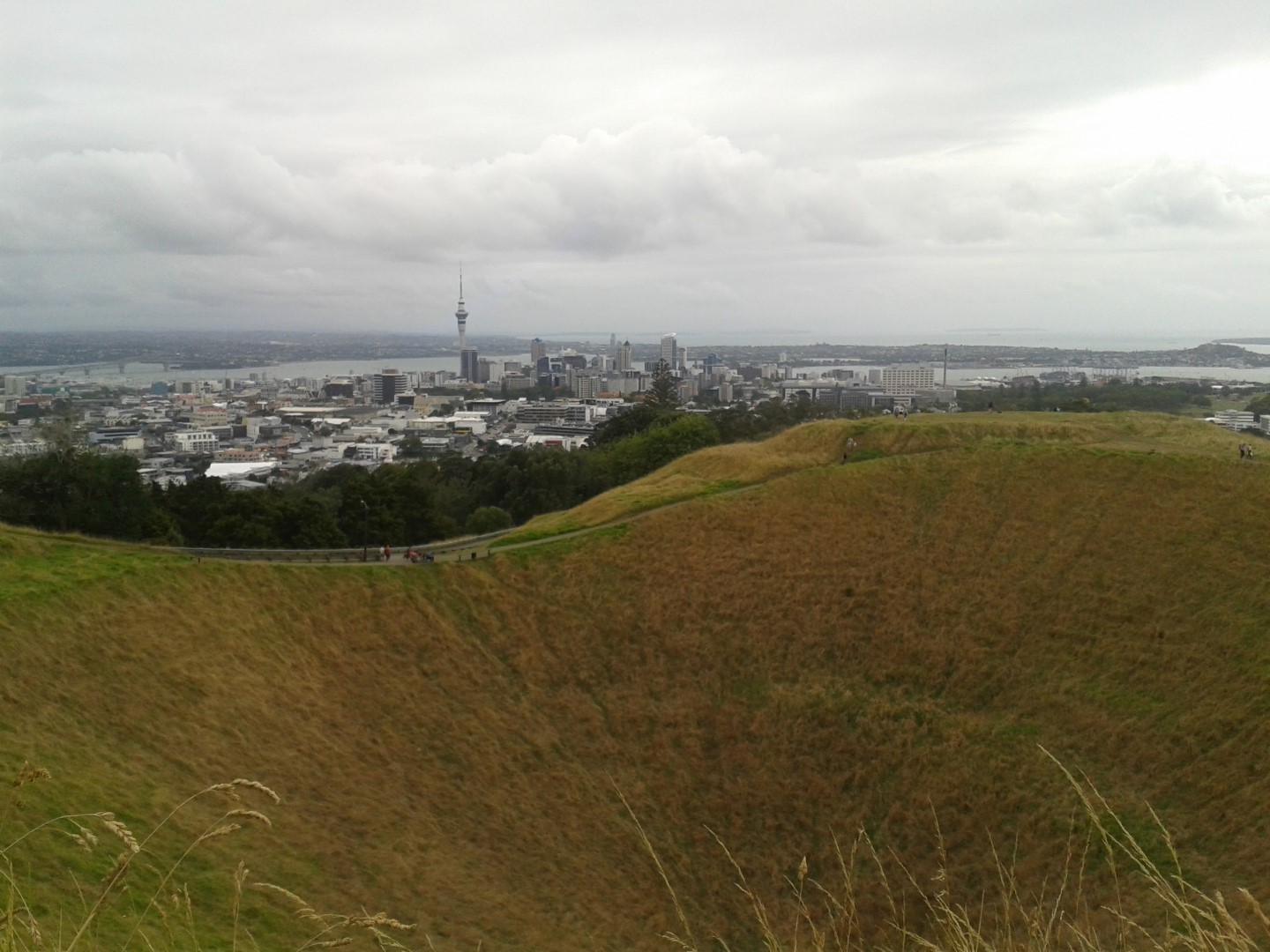
Auckland was our first stop in New Zealand, and for nearly two years it was home. We started out with Isaac’s grandmother while we found our feet, then a city apartment near the top of the Grafton Gully Cycleway, then a rented flat a couple of streets back from Mount Eden with the volcano practically out of the front window. We loved it, genuinely: the sushi, the harbour, the friends we made, watching the sunset from that dormant volcano more evenings than we can count. We also left it eventually, for reasons that had nothing to do with Auckland being a bad place and everything to do with it not being quite right for us at that point in our lives.
This is our honest, first-hand guide to living in Auckland (Tāmaki Makaurau): what the suburbs are actually like, what things cost in 2026, where the jobs are, how you get around a city that genuinely struggles with its own traffic, and who it suits and who it doesn’t. New Zealand’s biggest city deserves a straight answer, not a brochure.
In this article
- Where to live: Auckland’s neighbourhoods and suburbs
- Cost of living and rent in 2026
- Jobs and the Auckland economy
- Getting around: trains, ferries, buses and traffic
- Lifestyle and things to do
- The honest downsides of living in Auckland
- Who Auckland suits (and who it doesn’t)
- Auckland suburbs at a glance
- Your questions answered
Where to live: Auckland’s neighbourhoods and suburbs
Auckland is enormous and spread thin, more a collection of villages stitched together than one coherent city, and where you land shapes your experience of the place. Here’s the geography as we came to know it.
Central Auckland
The CBD around Queen Street has the bars, restaurants and the ferry terminal for quick escapes to Waiheke or Rangitoto, and if you also work centrally you can skip transport costs altogether. We had a city apartment for a while, and the cycleway that ran downhill from our door to Parnell each morning, uphill on the way back, always, made up for watching the motorway traffic crawl below. Ponsonby and Grey Lynn, just west, are villa country: cafes, boutiques and some of the highest prices in the city. Parnell and Newmarket sit east, leafy and historic, with a direct train line. Mount Eden and Kingsland, further south, are where we eventually settled: village high streets, two volcanic cones for a Sunday walk, and a five-minute cycle into town.
East, west, North Shore and south
Mission Bay and St Heliers are Auckland’s postcard beach suburbs, joggers and brunch spots, but there’s no train line, so it’s bus or car if you work centrally. Ōrākei and Remuera, inland of the bays, are old-money Auckland with a direct train link and prices to match, while Botany and Buckland’s Beach offer newer housing and good schools further out. West, Titirangi sits inside the bush of the Waitākere Ranges, beautiful, wetter, car-dependent, while Henderson and New Lynn are far more affordable with a train line in. Devonport, on the North Shore, is the prettiest commute in the country, a heritage naval village with a twelve-minute ferry ride, while Whangaparāoa further round the coast has essentially one road in and out. South, Manukau and Papakura are the most affordable parts of the region and where much of Auckland’s growth is happening.
The Hauraki Gulf islands
Waiheke Island, thirty-five to forty minutes by ferry, has become genuinely special to us: vineyards, beaches and a slower pace, though property now ranges from a modest bach to helicopter-pad money. Great Barrier Island (Aotea), further out, is off-grid living with no mains power for most residents and under a thousand people.
Cost of living and rent in 2026
A quick note on money: figures below are in New Zealand dollars first. As of mid-July 2026, GBP1 buys around NZD2.30 to 2.35, and USD1 buys around NZD1.71 (poundsterlinglive.com, exchangerates.org.uk, OFX, Trading Economics). Rates move daily, so check a live converter before relying on this for a real budget.
Auckland’s median weekly rent across all property types was $660 in January 2026 (about £287, or US$386), broadly flat on the year before (Trade Me Property Rental Price Index, published February 2026). A three-bedroom house typically runs $700 to $760 a week, among the priciest rent in the country (MoneyBalance, compiled from Tenancy Services bond data and Trade Me, May 2026). On the buying side, REINZ recorded Auckland’s median sale price at $1,005,000 in May 2026 (about £437,000, or US$588,000), up 2.6% on the year before. That figure hides a huge spread: Mission Bay and Ponsonby regularly sell above $2 million, Devonport sits around $1.75 million, while Papakura’s median has fallen to around $754,500 (Superior Renovations, MoneyHub NZ and Bamboo Routes suburb data, 2026).
Day to day, groceries for a couple typically run $150 to $220 a week depending on how carefully you shop, and a power bill in Auckland’s milder climate usually lands between $100 and $140 a month, cheaper than colder parts of the country since you’re heating for fewer months (various 2026 cost-of-living trackers including MoneyBalance and Steady). Add broadband at roughly $80 to $100 a month and Auckland behaves like most expensive cities: manageable on a good salary, tight on an average one. Our guide to renting a home in New Zealand covers the rental side in full.
Jobs and the Auckland economy
Auckland has by far the biggest and most varied job market in New Zealand, employing close to a million people, roughly a third of the national workforce. The economy is heavily service based: finance and insurance, IT and telecoms, construction, health, retail and hospitality are the biggest employers, alongside the country’s busiest port and a genuine screen and creative cluster. Primary industries barely register here, under 1% of the workforce against almost 8% nationally, telling you how different Auckland is from the rest of the country.
The trade-off is competition. Auckland’s unemployment rate was 6.6% in the March 2026 quarter, noticeably above the national rate of 5.3% (Stats NZ). Wages run higher too: Stats NZ data put Auckland’s median earnings at roughly $73,800, around 6% above the national figure, though a chunk of that premium disappears back into rent and commuting. Arrive with a portable income or a specialist skill in demand and Auckland’s scale works for you; job hunting cold, it’s a harder market than the headline salary suggests.
Getting around: trains, ferries, buses and traffic
Auckland Transport’s AT HOP card is how almost everyone pays for buses, trains and ferries, and it’s worth getting one since it saves roughly 20% over cash fares. Adult single trips run from about $2.50 to $3.70 on buses and trains depending on zones crossed, and ferries cost more, typically $6 to $8.50 at peak times. Fares rose by a weighted average of 5.1% from 1 February 2026, and there’s a $50 weekly fare cap on HOP cards, a $20 daily cap on contactless (Auckland Transport).
2026 is a big year for Auckland’s trains. The City Rail Link, the underground tunnel finally connecting the western and southern lines through new central stations, was handed over to Auckland Transport and KiwiRail in June 2026 and is due to open to passengers in the second half of the year, most likely August or September, the biggest change to how the city moves since the harbour bridge went up.
Ferries are the nicest commute going, if you’re lucky enough to live somewhere that has one: Devonport is twelve minutes, Waiheke thirty-five to forty. Buses cover everywhere else, unevenly. And then there’s the traffic: the average Auckland driver lost around 85 hours to rush-hour congestion in 2025, and the city ranked 77th worst of 500 cities worldwide in TomTom’s 2024 global index. Locals call themselves JAFAs, “just another f…ing Aucklander”, half self-deprecation, half genuine frustration at State Highway 1 at 5pm.
Our own answer was bikes. The Grafton Gully Cycleway and Te Ara I Whiti, the hot-pink Lightpath linking it into the Northwestern cycleway, made commuting by bike genuinely faster than sitting in traffic. What still doesn’t exist, over a decade after it was first promised, is a walking or cycling path across the harbour bridge itself. A standalone $685 million walking and cycling bridge alongside it has now been approved, but it’s expected to take around five years to consent and build, so don’t hold your breath.
Lifestyle and things to do
This is where Auckland earns its reputation. The city is built across a field of more than 50 dormant volcanic cones, so green space and sweeping views are never far away, Mount Eden, One Tree Hill and Mount Mangere among the best of them. It sits on two harbours, so the Hauraki Gulf and its islands (Waiheke, Rangitoto, Great Barrier and dozens more) are genuinely on your doorstep, along with a real “City of Sails” sailing culture. Forty minutes west, the black sand beaches of Piha, Muriwai and Bethells (Te Henga) sit inside the Waitākere Ranges, worth a full day out from the Arataki Visitor Centre.
We built entire weekends around sunsets here. Mount Eden was our favourite, two minutes from our old front door and somehow still peaceful despite sitting in the middle of the largest city in the country. West coast evenings at Bethells or a day cycling at Woodhill Forest were close behind, along with Auckland Council’s free outdoor cinema nights at Silo Park and in the Domain each summer, chocolate and a crowd included. Auckland is also the mildest and one of the sunniest of New Zealand’s main centres: average annual temperature 15.5°C, around 20°C in January, closer to 11°C in July, roughly 1,167mm of rain a year (June and July wettest), and about 2,060 hours of sunshine (NIWA). On a rainy day, the Auckland War Memorial Museum is free for residents and worth hours on Māori history and New Zealand’s wartime story.
The honest downsides of living in Auckland
We’d be doing you a disservice if we only sold you the sunsets. Living in Auckland wore on us in a few specific ways worth knowing before you commit.
Traffic is the daily one, shaping how far you’re willing to live from work and how much of your week disappears sitting still on the motorway. House prices are the bigger one. Approaching 30 and starting to think seriously about buying somewhere, Auckland’s prices made that feel like we’d need to win the lottery first: a median over a million dollars city-wide, well over two million in the suburbs we actually liked, isn’t a first-home buyer’s market by any stretch. Cost of living generally sits above the national average too, so even the higher wages don’t always stretch as far as they look on paper.
Then there’s community. We arrived with family and old friends nearby, and within about a year both had moved away, Isaac’s grandmother up north, a lifelong friend of Dawn’s back to the UK. We made new friends through work, but building a support network from scratch in a city this size took longer than expected, and it was the biggest single reason we eventually moved on. Auckland also doesn’t feel like the rest of New Zealand, and for us that mattered: we’re Cornish by nature, small towns and slower pace, and a big city was never going to be a permanent fit however much we enjoyed it. That’s personal rather than a flaw in the city, but worth being honest about before you move here expecting classic small-town Kiwi life.
Who Auckland suits (and who it doesn’t)
Auckland makes the most sense if you want the biggest job market in the country, the best international flight connections, a genuinely multicultural community, and beaches and islands within an hour of your door, and you’re prepared to pay a premium and sit in traffic for it. It suits career climbers, tech, finance and creative professionals, and anyone wanting a real city with a proper food and bar scene alongside outdoor access most cities can’t match.
It suits budget-conscious first-home buyers and anyone chasing a slower, small-town New Zealand experience considerably less. If that’s you, our Wellington vs Auckland comparison and our guide to the best places to live in New Zealand cover where else to look.
Auckland suburbs at a glance
| Suburb / area | Vibe | Typical house price (2026) | Commute to CBD |
|---|---|---|---|
| City Centre / CBD | High-rise apartments, nightlife, zero commute | Apartments from around $500k; houses rare | Walk or cycle |
| Ponsonby & Grey Lynn | Villas, cafes, boutique shopping | Around $2.0 million+ | 10-15 min by bus or bike |
| Parnell & Newmarket | Heritage streets, leafy and central | Often $1.5 million+ | Direct train line |
| Mount Eden & Kingsland | Volcanic cones, village high streets, family-friendly | Roughly $1.3-1.8 million | Train, or 15 min by bike |
| Mission Bay & St Heliers | Beachfront, joggers, brunch culture | Around $2.1 million | No train; bus or car, 20-30 min |
| Remuera | Old money, big trees, private schools | Well over $2 million | Direct train line, 15-20 min |
| Devonport & North Shore | Naval heritage village, ferry commute | Roughly $1.5-1.75 million | 12-minute ferry (scenic) |
| West Auckland (Henderson, Titirangi) | Bush, wineries, more affordable | Roughly $650,000-950,000 | Train (Henderson) or 30-40 min drive |
| South Auckland (Papakura, Manukau) | Most affordable, fastest-growing | From around $754,500 | Train, 45-50 min |
| Waiheke Island | Vineyards, beaches, island pace | From a modest bach to multimillion-dollar clifftop | 35-40 min ferry |
All prices approximate, in NZD, compiled from REINZ, Superior Renovations, MoneyHub NZ and Bamboo Routes suburb data, 2026. Check current listings before relying on any one figure.
Your questions answered
Is Auckland expensive to live in? Yes, consistently New Zealand’s most expensive main centre for rent and buying: median house price over $1 million, three-bedroom rent typically $700 to $760 a week, citywide median rent $660 a week in 2026 (REINZ; Trade Me; MoneyBalance/Tenancy Services). Wages run higher too, but not by enough to fully offset it.
Do you need a car in Auckland? Mostly, yes. Suburbs on the train lines (Parnell, Remuera, Mount Eden, Henderson) or the Devonport ferry can manage without one; East Auckland, the west and much of the North Shore are far more car-dependent.
What is the best area to live in Auckland? Depends on budget and priorities. We’d point families toward Mount Eden or Kingsland for the volcanic parks, beach lovers toward Mission Bay or Devonport, and anyone watching their budget toward Henderson or South Auckland, both on train lines.
Is Auckland safe? Like any big city, safety varies by suburb and time of day, with normal city-sense precautions around the central city late at night. Most residential suburbs are as safe as anywhere comparable in size.
What’s the weather like in Auckland? Mild and reasonably sunny by New Zealand standards: average annual temperature 15.5°C, around 20°C in summer, closer to 11°C in winter, roughly 1,167mm of rain a year and 2,060 hours of sunshine (NIWA). Winters are wet rather than cold; summers warm and often humid.
Is Auckland or Wellington better to live in? Depends what you value. Auckland has the bigger job market, milder weather and better flight connections; Wellington is smaller, more walkable and, in our experience, easier to feel properly settled in. We compared the two directly in our Wellington vs Auckland guide.
Is Auckland a good place for migrants to start? For most people arriving without a job lined up elsewhere, yes: the widest range of work, the biggest international community and the best flight connections home. Our guide to moving to New Zealand covers the practical steps of getting here.
Auckland gave us two genuinely good years: friends we still have, sunsets we still talk about, and a city that taught us what we did and didn’t want from the rest of our time in New Zealand. It’s not the whole country, and it never claimed to be, but as a landing spot it’s hard to beat for choice, connections and things to do on a Saturday. Our wider look at what it’s actually like to live in New Zealand covers how Auckland fits into the bigger picture.
Got a question we haven’t covered? Get in touch through our contact page. And if you want the full step-by-step version, budgets, visa timing, the lot, our full paid relocation guide walks through settling in Auckland in far more depth than we can fit into one article.
You might also like
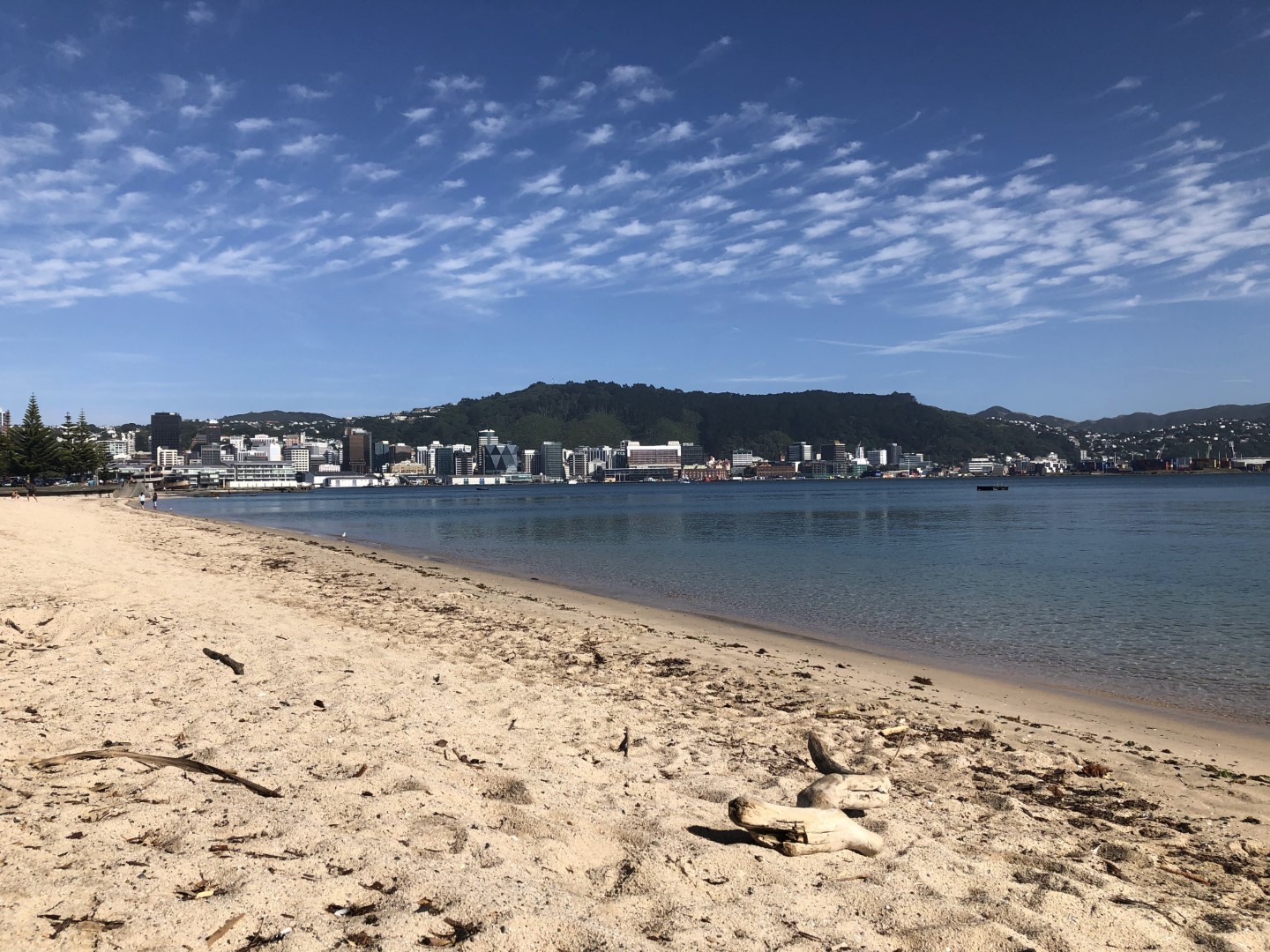
Best Places to Live in New Zealand in 2026: Our Honest, City-by-City Guide
Auckland, Wellington, Christchurch and six more places compared on rent, jobs and climate for 2026, from a couple who actually lived in three of them.
The Best Banks in New Zealand for Migrants
Which New Zealand bank is best for migrants in 2026: ANZ, ASB, BNZ, Westpac, Kiwibank and the challengers compared, fees, apps and deposit protection.
Buying a Car in New Zealand: A 2026 Guide to Costs, WoF and Rego
Buying a car in New Zealand: 2026 prices for WoF, rego, insurance and RUC, plus where to buy, imports and EVs, from a couple who actually did it.