
New Zealand Culture and Etiquette for Newcomers
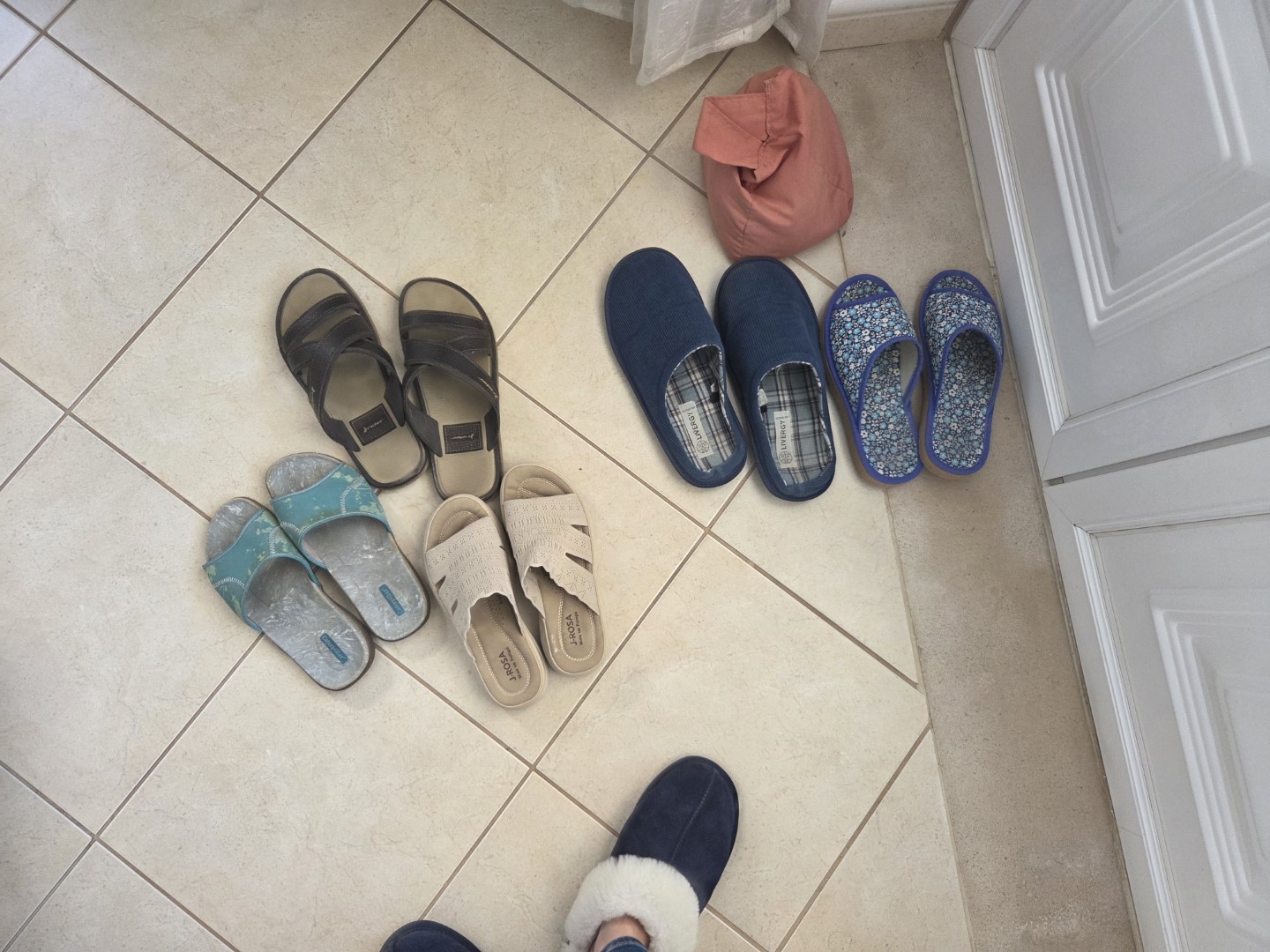
We got a lot wrong in our first year. Isaac turned up to a barbecue with an empty plate when he’d been asked to “bring a plate”. Dawn kept her shoes on inside someone’s house for a good six months before she noticed nobody else did. We tipped a taxi driver once, early on, and watched him look genuinely confused about what to do with the extra note. None of it was a disaster. All of it was mildly, memorably awkward, and every single one of these moments would have been avoided with about ten minutes of warning.
This is that ten minutes. New Zealand culture and etiquette isn’t complicated, but it is different in specific, unspoken ways from British, American or even Australian norms, and the gaps are rarely covered anywhere newcomers actually see them before they need them. This piece sticks to social customs: how people actually behave with each other, in homes, at barbecues, on the beach and on the road. For workplace culture specifically, our guide to what it’s really like to work in New Zealand covers that ground properly, and if you want to understand the emotional side of settling in rather than the social rulebook, our first six months in New Zealand guide is the one to read alongside this.
In this article we discuss:
- Shoes off at the door
- BYO culture and what to actually bring
- The “bring a plate” disaster, properly explained
- Koha: what it is, when, and how much
- Punctuality: relaxed, but not infinitely
- Understatement and tall poppy syndrome, socially
- Barbecue etiquette
- Beach and bush etiquette, including rāhui
- Visiting a marae: the newcomer basics
- Sport small talk
- Tipping: still not expected
- The rural road wave
- Your questions answered
Shoes off at the door
Most New Zealand households take shoes off at the front door, and it’s one of those customs nobody explains because everyone assumes you already know. We didn’t. Dawn spent the better part of a year wandering into people’s homes fully shod before finally clocking the little row of shoes lined up by every doorstep she’d been ignoring. If you’re ever unsure, glance down before you knock. A pile of shoes at the threshold is your answer, and even without one, offering to take yours off is always the safer, more polite default.
BYO culture and what to actually bring
BYO, “bring your own”, most commonly refers to restaurants that let you bring your own wine or beer, usually for a small corkage fee, because plenty of smaller New Zealand restaurants and cafés aren’t fully licensed to sell alcohol themselves. Check the door or the menu for “BYO” before assuming a place has a wine list.
BYO extends socially too. Turning up to a casual gathering with a six-pack or a bottle of wine for yourself and to share is normal and genuinely expected, not presumptuous. Hosts don’t always provide a full bar the way you might expect at a British house party, and nobody thinks it strange if you ask “should I bring a drink?” before arriving.
The “bring a plate” disaster, properly explained
We promised you Isaac’s story, so here it is in full. Early in our first year, a work colleague invited him to a Friday barbecue and mentioned, casually, “bring a plate.” Isaac, reasonably enough by British logic, assumed this meant an actual plate, maybe because the host was short on crockery. He turned up with a stack of clean plates and nothing else. Everyone else arrived with sausage rolls, a slice tray, a bowl of coleslaw, an actual plate of food. It became a running joke that outlasted the barbecue by a good few months.
“Bring a plate” means bring a dish of food to share with the group, not crockery. Nobody expects a showstopper. A simple dish that’s easy to serve without extra plates or cutlery, slightly larger than you’d cook for your own family dinner, is exactly right. If you’re ever unsure what’s expected, just ask the host directly what to bring; it’s a completely normal question here, not an awkward one. We’ve written more on the wider phrase itself, and a full run of everyday Kiwi vocabulary, in our Kiwi slang guide.
Koha: what it is, when, and how much
Koha is a Māori custom that’s become part of wider New Zealand social life: a voluntary gift, donation or contribution, given as a genuine expression of gratitude rather than a fixed, stipulated payment. It can be money, food or, more traditionally, a taonga (a treasured item), though in modern everyday contexts it’s usually money.
You’ll most commonly meet koha as a “gold coin donation” request at a community event, school fair or casual gathering, where a coin or two (a $1 or $2 coin, hence the name) is the expected contribution. If you’re invited to stay overnight on a marae (a noho marae), koha matters more: contact the marae ahead of time to agree an amount that genuinely covers your stay, rather than guessing on the day. The core principle is that koha reflects what you’re able to give and the respect you hold for the people receiving it; it isn’t a transaction with a fixed price, and treating it like one misses the point. We won’t pretend deep expertise on the full cultural weight of koha here; our forthcoming introduction to Māori culture and te reo for newcomers goes into far more depth.
Punctuality: relaxed, but not infinitely
New Zealand runs noticeably more relaxed on social timing than we were used to in the UK. Turning up ten or fifteen minutes after a stated time for a casual barbecue is rarely commented on, and arriving exactly on the dot can catch a host still finishing preparations. That said, this is a social norm, not a licence to be genuinely late: half an hour behind schedule without warning still reads as rude, and anything with a fixed start, a booking, a sports match, a scheduled appointment, calls for standard punctuality. A barbecue has slack in it. A table booking doesn’t.
Understatement and tall poppy syndrome, socially
“Tall poppy syndrome” describes New Zealand’s cultural discomfort with people who visibly stand out, boast, or seem to think they’re better than everyone around them, the poppy that grows taller than the rest of the field tends to get cut back down. We’ve written about how this shapes the workplace specifically elsewhere. Socially, it shows up just as often, if slightly more gently: talking up your own achievements at a barbecue lands worse here than it would at a similar gathering back home, while self-deprecation and understatement go down well.
We noticed it constantly in casual conversation. Someone who’d just run a genuinely impressive personal best at a local fun run would describe it as “not bad, actually,” rather than boasting. It isn’t false modesty exactly, and it isn’t that New Zealanders don’t value achievement. It’s that the visible performance of success draws the social pushback, not the achievement itself. Learn to undersell your own wins slightly, and you’ll fit the social rhythm a lot faster.
Barbecue etiquette
The barbecue, or “barbie”, is close to a national institution, and a few unwritten rules go with it. Bring a drink for yourself and to share, as covered above. If asked to bring a plate, bring actual food, also covered above, for good reason. Offer to help with cooking or serving even as a guest; it’s genuinely appreciated. And don’t be first to leave a lingering, slow-winding-down barbecue that’s clearly still going; gatherings here often drift on for hours past when the food’s finished, and ducking out early can read as not enjoying yourself.
Beach and bush etiquette, including rāhui
New Zealand’s beaches, forests and walking tracks are genuinely spectacular, and the culture around using them leans hard into leave-no-trace principles: pack out everything you bring in, stick to marked tracks to protect fragile native plants, and use any biosecurity cleaning stations for boots and gear between tracks, which exist to stop diseases like kauri dieback spreading. We spent years tramping both islands, and the informal expectation, on top of the formal rules, is that you leave a place looking like you were never there.
One thing worth understanding specifically is rāhui. A rāhui is a temporary restriction placed over an area, a stretch of coastline, a lake, a section of forest, by local kaitiaki (guardians), usually either to let a natural resource recover (fish stocks, shellfish beds, native plants) or out of respect following a death in that place, such as a drowning. A rāhui is normally signalled with signage or a marker, and sometimes announced locally or in the news. If you come across one, respect it: don’t fish, gather food or swim in a rāhui area, even if you can’t independently verify the reason behind it. It’s a genuine act of guardianship and respect, not a bureaucratic inconvenience, and ignoring one is one of the few things that will cause real, justified offence.
Visiting a marae: the newcomer basics
If you’re ever invited to visit a marae, as many newcomers eventually are through work, school or a community connection, a little advance knowledge goes a long way, though we want to be upfront that this is a newcomer-level summary, not a full guide to tikanga (protocol). For real depth, our forthcoming Māori culture and te reo guide is the better resource; this is just enough to walk in without causing offence.
You generally don’t walk onto a marae uninvited or unannounced; visitors (manuhiri) are formally welcomed on through a pōwhiri, a structured welcome ceremony, and it’s considered impolite to arrive once one is already underway, so aim to be early rather than on time. Phones off during the welcome. No eating or drinking until you’re in the wharekai (dining room), where that’s expected. And shoes off before entering the wharenui, the meeting house, without exception; this is consistent across every marae and one of the few rules that’s genuinely universal.
Beyond that, the single best piece of advice we can give is: follow your hosts. Watch what the people around you are doing and match it, ask quietly if you’re unsure, and don’t worry about getting every fine detail of protocol perfect on a first visit. Genuine, humble effort is what’s noticed and appreciated, not flawless execution.
Sport small talk
Rugby is the fastest social currency in New Zealand, and a passing awareness of how the All Blacks did in their last match will open more casual conversations than almost anything else we could suggest. You don’t need to understand the rules in depth, just that the team exists, roughly how the season’s going, and a genuine question to ask. Netball, cricket and rugby league all have loyal followings too, and turning up to a local club as a spectator, even once, is a genuinely good way to meet people outside work. We found sport small talk one of the fastest social doors to open in a new town.
Tipping: still not expected
Tipping is not customary or expected in New Zealand, and that remains true as of 2026. Hospitality and service workers are covered by the statutory minimum wage rather than relying on tips, which is the core reason tipping never took hold here the way it has in the US. Leaving a tip for genuinely exceptional service, rounding up a bill or leaving around 10%, is a lovely gesture, but it’s a compliment, not an obligation, and nobody will chase you down for skipping it.
A lot of card terminals now prompt for a tip automatically, a fairly recent import from overseas payment systems. Selecting “no tip” or “0%” is completely normal and won’t draw a look from staff. We tipped a taxi driver early on, out of habit, and watched him look genuinely puzzled about what to do with the extra cash. He wasn’t offended. He was just confused, because it simply isn’t what happens here.
The rural road wave
Drive rural New Zealand roads for any length of time and you’ll notice it: a single finger, or a full hand, lifted briefly off the steering wheel as you pass an oncoming car, especially on quieter back roads. It’s a small, near-universal gesture of acknowledgement between drivers, and it’s genuinely worth returning once you notice it, rather than leaving a local driver hanging.
The wave matters even more at one-lane bridges, which turn up constantly on rural routes. Signage tells you who has right of way, and if another driver gives way to let you through first, it’s customary to lift a hand in thanks as you pass. Horns are used sparingly here, mostly reserved for genuine hazards rather than frustration. If you’re driving slower to take in the view, pulling over to let faster traffic pass is considered courteous, not an admission of bad driving.
Quick etiquette reference
A cheat sheet for the situations above, for when you need the short version.
| Situation | Do | Avoid |
|---|---|---|
| Entering a home | Take your shoes off, or offer to | Assume shoes stay on unless told otherwise |
| Invited to a barbecue | Bring a drink, and food if asked to “bring a plate” | Turning up with an empty plate, or nothing at all |
| Casual community event | Give a gold coin ($1 or $2) if koha is requested | Assuming koha is a fixed, non-negotiable fee |
| Running slightly late to a barbecue | Relax, ten to fifteen minutes rarely matters | Being late without warning for a fixed booking or start time |
| Talking about your own success | Undersell it slightly, let others draw it out | Boasting openly, even about something genuinely impressive |
| At the beach or in the bush | Stick to marked tracks, pack out your rubbish, respect any rāhui signage | Fishing, gathering food or swimming in a signposted rāhui area |
| Visiting a marae | Arrive early, follow your hosts, shoes off in the wharenui | Walking on uninvited or arriving mid-pōwhiri |
| Meeting someone new socially | Small talk about rugby or the weather | Direct questions about salary or house price early on |
| Paying a restaurant or taxi bill | Pay the bill; tip only if the service was genuinely outstanding | Assuming a tip is expected or required |
| Driving rural roads | Wave a thanks at a one-lane bridge give-way | Using your horn out of frustration |
Your questions answered
Is it ever appropriate to tip in New Zealand, or does it cause offence? It’s never offensive, just genuinely unexpected. A tip for excellent service is read as a kind, generous gesture rather than an obligation you failed to previously meet, and staff won’t think less of you either way for not tipping.
What should I actually bring if invited to a Kiwi barbecue for the first time? A drink for yourself and to share is always safe. If you’ve been asked to “bring a plate,” bring a ready-to-eat dish, slightly larger than a normal family serving, that doesn’t need extra plates or cutlery to serve. When genuinely unsure, just ask your host directly what’s needed.
How much should I give as koha if I’m not sure what’s appropriate? For a casual community event, a gold coin ($1 or $2) is usually exactly right and often explicitly what’s being asked for. For anything bigger, particularly an overnight marae stay, contact the hosts in advance and ask what would be appropriate, rather than guessing on the day.
Do New Zealanders shake hands, hug, or hongi when meeting someone new? It depends heavily on context. A handshake is the safe, standard default for a first business or formal social meeting. Hugs are common between friends and in casual social settings once you know someone. A hongi, the traditional Māori pressing of noses and foreheads in greeting, is generally reserved for more formal or ceremonial occasions, such as the close of a pōwhiri, and it’s best to follow your hosts’ lead rather than initiate one yourself as a newcomer.
What happens if I unknowingly break a rāhui? Most people who breach a rāhui do so out of genuine ignorance rather than disrespect, and if that happens, the right response is a sincere apology and immediately stopping whatever activity is affected, rather than arguing about whether the rāhui is “official” enough to matter. Signage and local community noticeboards, along with local news coverage, are the best ways to check before fishing, gathering food or swimming in an area you’re unfamiliar with.
Is small talk about the weather as common in New Zealand as it is in Britain? Very much so, and it translates almost perfectly. New Zealanders talk about the weather constantly, partly because it genuinely changes fast and matters for outdoor plans, and it’s just as reliable an icebreaker here as it ever was back home.
Are New Zealanders offended by direct questions about money or personal life? Generally more so than Americans tend to expect, though less rigidly private than some cultures. Direct questions about salary or house price in casual conversation can land awkwardly, closer to British reserve than to the more openly transactional small talk some American newcomers are used to. Read the room, and let locals volunteer detail rather than asking outright.
New Zealand’s social rulebook is small, genuinely learnable within a few months, and far kinder to get slightly wrong than it might feel in the moment. Every mistake in this article was ours, and every single one turned into a good story rather than a lasting problem. If you want the vocabulary that goes with all of this, our Kiwi slang guide covers the words; if you want the workplace side of New Zealand culture specifically, what it’s really like to work in New Zealand picks up where this leaves off; and if you’re further along and settling in rather than still learning the rules, our first six months in New Zealand guide covers the emotional side of that stretch honestly.
We’re also building a proper, dedicated guide to Māori culture and te reo for newcomers, which will go much deeper than the koha and marae sections here, and a fuller etiquette chapter
You might also like

Best Places to Live in New Zealand in 2026: Our Honest, City-by-City Guide
Auckland, Wellington, Christchurch and six more places compared on rent, jobs and climate for 2026, from a couple who actually lived in three of them.

The Best Banks in New Zealand for Migrants
Which New Zealand bank is best for migrants in 2026: ANZ, ASB, BNZ, Westpac, Kiwibank and the challengers compared, fees, apps and deposit protection.

Buying a Car in New Zealand: A 2026 Guide to Costs, WoF and Rego
Buying a car in New Zealand: 2026 prices for WoF, rego, insurance and RUC, plus where to buy, imports and EVs, from a couple who actually did it.