
Try Freedom Camping in New Zealand
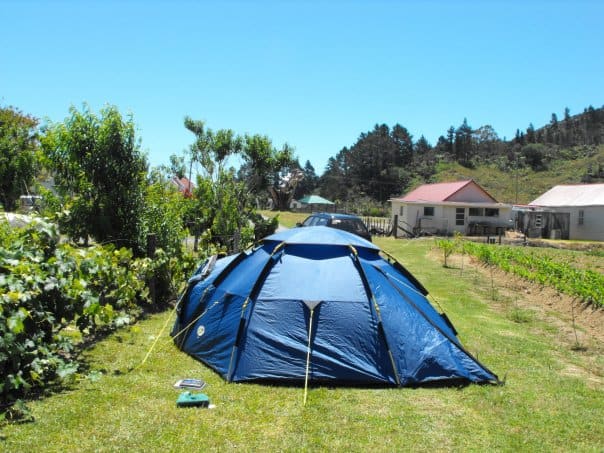
Accommodation and campsites can quietly become one of the biggest lines in any New Zealand travel budget. You will struggle to find a paid site for much under $25 a night, and that adds up fast over a few weeks on the road. Freedom camping is how we kept our own costs down for years, and we still park up in our motorhome whenever we get the chance. It is one of the best things about travelling here.
The catch is that the rules have changed. New Zealand tightened its freedom camping laws in 2023, and if you are working from an old blog post or an out-of-date app you can land yourself a fine. So here is the honest, current picture.
In this article
- What freedom camping actually means
- The big change: the 2023 self-contained vehicle law
- Where you can and cannot freedom camp
- The apps we use to find spots
- The etiquette (and the fines)
- A clever way to camp for almost nothing
- Your questions answered
What freedom camping actually means
Freedom camping simply means staying overnight somewhere that is not a paid campsite or holiday park: a council-run area, a reserve, a car park or a stretch of public land where overnight stays are allowed. It is not the same as pitching a tent anywhere you like. Every spot is governed by the local council’s bylaw or by the Department of Conservation, and most places that allow it now expect your vehicle to be certified self-contained.
Get it right and you can wake up beside a lake or a beach for nothing. Get it wrong and you can be moved on or fined, so it pays to understand the current system before you set off.
The big change: the 2023 self-contained vehicle law
This is the part most older guides get wrong. Under the Self-contained Motor Vehicles Legislation Act 2023, the rules for what counts as “self-contained” were rewritten.
The headline change is the toilet. To be certified self-contained now, your vehicle must have a fixed, plumbed-in toilet that you can use with the bed made up. A portable camping toilet or a portaloo in the boot no longer meets the standard, which is exactly what the old advice used to suggest. Certified vehicles also need a sink, safe fresh-water storage, a greywater tank and enough space to store waste and rubbish for at least three days.
Vehicles that pass are issued a green self-containment warrant card, which replaces the old blue warrant. The green certificate lasts four years and has to be issued by an authorised Certification Authority. Private vehicle owners had a transition window to move across to the new green warrant, and that window closed on 7 June 2026. From that date, only vehicles carrying a valid green warrant are recognised as certified self-contained: the old blue warrant no longer counts, whatever the sticker on the windscreen might say. If you own a camper, check its warrant is a current green one before you rely on it. If you are hiring a campervan, the rental company sorts the certification, but do confirm the vehicle is certified self-contained before you book if you plan to freedom camp, because not every rental is.
Where you can and cannot freedom camp
Even with a green warrant, you cannot simply stop anywhere. Councils set their own bylaws, so the rules differ from district to district. Some areas welcome self-contained campers, some allow tents and non-self-contained vans in specific marked spots, and plenty of popular or sensitive places ban overnight stays altogether to protect them.
The golden rule is to read the signs. A crossed-out camper symbol means no overnight stays, and a sign will usually tell you whether an area is for certified self-contained vehicles only. On Department of Conservation land, look for the official DOC campsites and freedom camping areas rather than assuming a quiet lay-by is fair game. The current DOC guidance lives at https://www.doc.govt.nz/parks-and-recreation/plan-and-prepare/staying-in-parks-and-campsites/ .
The apps we use to find spots
We would not travel without a couple of these on our phones. CamperMate is free, beautifully simple and shows freedom camping areas, public toilets, dump stations, fuel and reviews from other travellers along your route. WikiCamps NZ is a small one-off purchase and runs off a crowd-sourced database that is often even more detailed. Rankers Camping NZ is another good free option and is used by many councils themselves. Between them you will rarely be stuck for a legal, well-reviewed place to stop.
The etiquette (and the fines)
Freedom camping only survives because most people treat it with respect. Take all your rubbish with you, use a proper dump station for waste, keep the noise down, and leave every spot cleaner than you found it. The reforms came about partly because a minority spoiled it, so the fines now have real teeth. Infringement fees commonly run to a few hundred dollars, often up to around $400 for camping where you should not, and considerably more for dumping waste illegally. A green warrant and a bit of common sense keep you well clear of all of it.
A clever way to camp for almost nothing
Some businesses have turned freedom camping to their advantage by letting you stay in exchange for a little custom. Years back, stuck for a reasonably priced site near Hot Water Beach on the Coromandel, we found the family-run Purangi Winery on the road towards Cook’s Beach. The deal was to spend a set amount per couple on their food or wine and camp on their land for the night. It was a field with a toilet, but for the price of a good dinner and a bottle of feijoa wine, and a shooting star thrown in, it beat the lights-out rule at the campsite up the road. Deals like this come and go, so check directly before you rely on one, but wineries, pubs and cafes offering park-and-spend nights are worth looking out for. If you fancy the same corner of the country, see our guide to a weekend on the Coromandel Peninsula.
Used well, freedom camping saves you a small fortune that is far better spent on the things you actually came for. It is also sociable, scenic and, done responsibly, genuinely good for the places you pass through. For more ways to keep costs down, see how to travel New Zealand on a budget, and for where the free nights fit into a bigger trip, browse our self-drive itineraries.
Your questions answered
Is freedom camping still legal in New Zealand in 2026? Yes. It is still one of the cheapest ways to travel the country. What changed in 2023 is how it is regulated: most areas now require a certified self-contained vehicle, and the rules are set locally by each council and by DOC.
Do I really need a fixed toilet now? To be certified self-contained, yes. Since the 2023 law, a permanently plumbed-in toilet is required and portable toilets no longer qualify. Private vehicles had until 7 June 2026 to switch to the new green warrant, and that transition period has now closed, so a blue warrant no longer counts as proof of self-containment.
Can I freedom camp in a tent or a non-self-contained van? Only where a council specifically allows it. Some districts set aside marked spots for tents and non-self-contained campers, but many places are for certified self-contained vehicles only. Always check the signs and an app like CamperMate before you settle in.
How much are the fines? Infringement fees are commonly up to around $400 for camping where you should not, and significantly higher for dumping waste illegally. A green warrant and following the signs keep you clear of them.
How do I find legal free spots? Use CamperMate, WikiCamps NZ or Rankers. They show council and DOC freedom camping areas, dump stations and reviews, and they are updated far more often than any blog post.
Got a favourite freedom camping spot? We would love to hear about it. Get in touch and let us know.
You might also like

Aoraki / Mount Cook Travel Guide
Our real Aoraki / Mount Cook guide: Hooker Valley Track status, Tasman Glacier, Dark Sky stargazing and where to stay. Updated August 2026.

A Weekend on the Coromandel Peninsula
Our updated 2026 guide to a weekend on the Coromandel Peninsula: Cathedral Cove's current access, Hot Water Beach timing, road status and where to stay.

The New Zealand bucket list: experiences that are actually worth it
Our honest New Zealand bucket list: 11 experiences from ten years living there, with genuine opinions on what's worth it and what to skip. Updated 2026.