
The New Zealand bucket list: experiences that are actually worth it
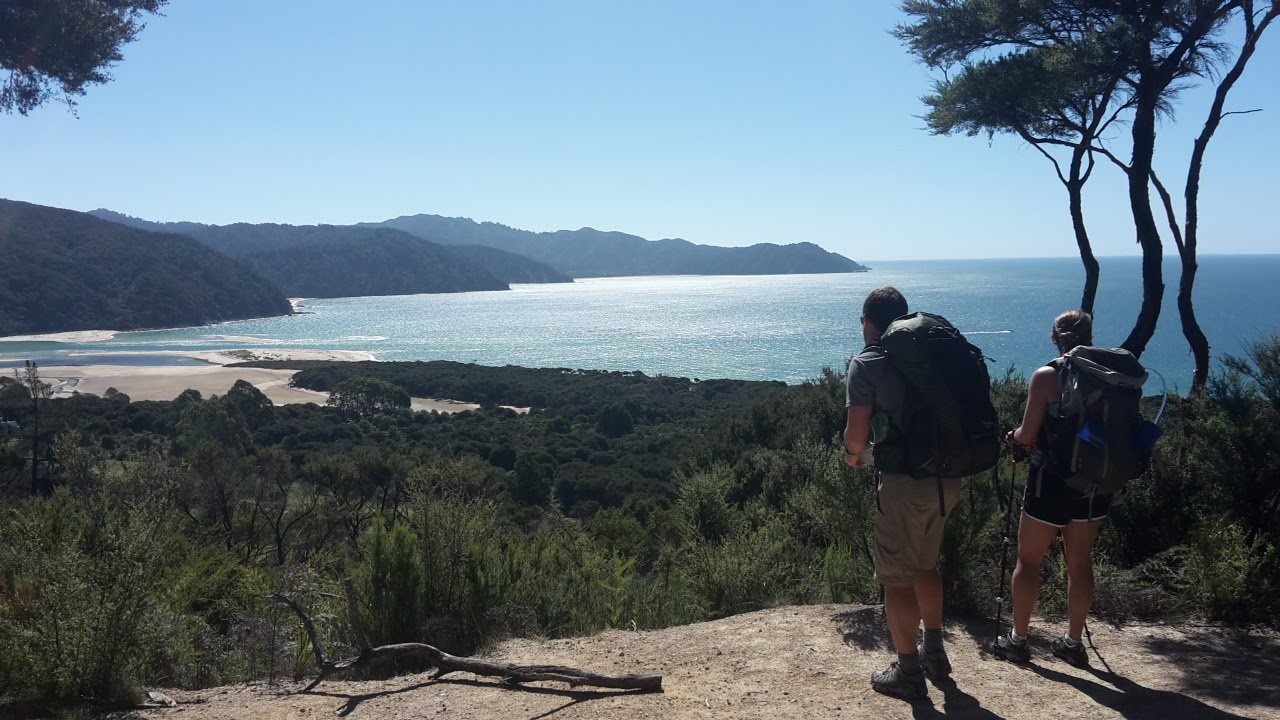
Every “New Zealand bucket list” article reads the same: a photogenic top ten with no opinions in it, written by someone who’s never actually done half of it. We lived in New Zealand for ten years and travelled both islands properly, so this list is different. It’s shorter than most, it’s honest about what’s overrated, and it names the one experience we think is genuinely underrated and skipped by almost everyone.
We’ve checked every entry is still actually operating and accessible as we write this, because “bucket list” articles get stale fast and half the internet’s version of this list is quietly out of date. One thing you won’t find here: Whakaari/White Island landings. Tours still run out to view the island, but nobody has been allowed to land on it since the eruption in December 2019, and that hasn’t changed. We did the landing tour ourselves years before that, and we’re not going to pretend it’s still on offer.
In this article we discuss:
- Milford Sound
- The Tongariro Alpine Crossing
- Rotorua’s geothermal wonders (or Waitomo’s glowworm caves)
- Abel Tasman National Park
- The Bay of Islands
- Stargazing under the Aoraki Mackenzie Dark Sky Reserve
- Hobbiton
- Whale watching in Kaikōura
- A glacier heli-hike
- Waiheke Island
- The Catlins, our genuinely underrated pick
- Your questions answered
1. Milford Sound
The genuine take: Yes, it’s on every list, and yes, it deserves to be. We visited on a day of relentless rain and it turned out to be one of our best days in the country, because Milford’s cliffs turn into hundreds of temporary waterfalls the moment it rains hard. The drive from Te Anau through the Homer Tunnel is spectacular in its own right, before you even reach the water. All the major cruise operators, RealNZ, Southern Discoveries and Mitre Peak Cruises among them, are still running as normal.
Skip it if: you’re only able to fit in a rushed day trip from Queenstown (five hours’ drive each way) and can’t spare at least one overnight around it. The destination is worth it; the exhausted round trip isn’t. We go into the full driving, cruise and booking detail in our Milford Sound guide.
2. The Tongariro Alpine Crossing
The genuine take: This is New Zealand’s most famous day walk for a reason: 19.4km through genuinely alien volcanic terrain, past emerald-coloured crater lakes, on ground so striking it stood in for Mordor on screen. We’ve camped in the National Park twice and the wider park has plenty beyond just the Crossing, but the Crossing itself earns its reputation.
The booking reality, honestly: this isn’t a walk-up hike anymore. Parking at the Mangatepōpō start is limited to a strict four-hour window, which doesn’t work for a six-to-eight-hour crossing, so almost everyone now needs a shuttle. DOC and the track’s own operators recommend booking a shuttle or guided walk ahead of time, and the practical solution most people use is parking at the private Ketetahi car park at the finish and taking an included shuttle to the start. It’s an extra logistical step compared to simply driving up and starting to walk, so build it into your planning rather than discovering it the night before.
Skip it if: you’re not reasonably fit or comfortable with six to eight hours of exposed, weather-dependent alpine walking, or you’re visiting in winter without proper gear and experience, when the crossing becomes a genuinely serious alpine undertaking rather than a day hike. Read more in our guide to Tongariro National Park, including quieter walks in the same park if the Crossing itself isn’t for you.
3. Rotorua’s geothermal wonders (or Waitomo’s glowworm caves)
The genuine take: Rotorua is the North Island’s cultural and geothermal heart: bubbling mud pools, natural hot springs, geysers, and Māori cultural experiences run properly and respectfully by local operators. It smells like sulphur the moment you arrive and you get used to it within the hour. If caves are more your thing than geothermal fields, Waitomo, a couple of hours away, does something completely different: guided boat trips through limestone caverns lit by thousands of glowworms, a genuinely magical, silent experience that’s been running as a visitor attraction for well over a century.
Skip it if: you’ve only got time for one and you’re chasing adrenaline rather than atmosphere, in which case Rotorua’s adventure activities (luge, mountain biking, white-water rafting) will suit you better than either the geothermal fields or the caves. Full detail in our things to do in Rotorua guide.
4. Abel Tasman National Park
The genuine take: Golden sand, turquoise water and a coastal track you can walk, kayak or water-taxi your way along, in whatever combination suits your fitness and time. We’ve done it as both a day trip and a longer multi-day walk, and it’s one of the few places in New Zealand that genuinely looks like the postcard in real life. Water taxi and kayak operators are well established and running normally; Abel Tasman AquaTaxi is now the main Marahau-based water taxi operator after a 2025 merger, alongside several dedicated kayak companies.
Skip it if: you hate crowds in peak summer. Abel Tasman is popular enough in January that the golden sand you’re picturing will have company. Shoulder season (October, November, or March, April) gives you the same scenery with far fewer people. Our ultimate Abel Tasman travel guide covers the full range of ways to see it.
5. The Bay of Islands
The genuine take: White sand, over 140 islands, and genuine cultural and historical weight (this is where the Treaty of Waitangi was signed). We spent four years living in Northland and the Bay of Islands never stopped feeling special. A cruise out to the Hole in the Rock, with a decent chance of dolphins alongside the boat, is the classic thing to do, and it’s still running with the same licensed operators.
Skip it if: you’re expecting guaranteed dolphin swimming. Regulations restrict swimming with dolphins in the Bay of Islands, so treat any sighting as a bonus, not the point of the trip. The point is the water, the islands and Paihia or Russell as a base. Full detail in our Bay of Islands travel guide.
6. Stargazing under the Aoraki Mackenzie Dark Sky Reserve
The genuine take: The Mackenzie Basin around Lake Tekapo and Aoraki/Mount Cook is one of the largest International Dark Sky Reserves in the world, and on a clear night the Milky Way is properly, unmistakably visible in a way most of us never see at home. Multiple stargazing tour operators run guided sessions with proper telescopes, and some combine it with hot pools, which is a genuinely lovely way to spend a freezing South Island evening.
Skip it if: the forecast is cloudy or it’s a full moon, both of which wreck the experience. Check conditions before you book, and if you can, build in a spare night in the region rather than pinning everything on one booking. Our 24 hours in Mount Cook guide covers the wider Aoraki area alongside the stargazing.
7. Hobbiton
Our honest take: We’ll be straight with you, this is the most manufactured, most tourist-bus-heavy entry on this list, and we still think it’s worth it once. The Hobbiton Movie Set near Matamata is genuinely well kept, the hobbit holes are more charming in person than in photos, and finishing at the Green Dragon Inn for a drink is a nice touch rather than a naked cash grab. It’s expensive for what is, at its core, a guided walk around a film set, and access is guided-tour-only, so you can’t just wander in. Go in knowing exactly what it is: a polished, well-run piece of tourism infrastructure, not a hidden slice of rural New Zealand.
Skip it if: you have zero interest in the films and are already tight on North Island days. It’s a two-hour drive south of Auckland each way if you’re not staying nearby, and that’s a lot of time for people who aren’t fans.
8. Whale watching in Kaikōura
The genuine take: Kaikōura is one of the few places in the world where deep ocean canyons come close enough to shore that sperm whales are reliably present year-round, alongside dusky dolphins and New Zealand fur seals. Whale Watch Kaikōura has been the sole Department of Conservation-permitted operator for commercial whale watching here since 1990, and it’s still running multiple trips daily. It’s a genuinely different kind of wildlife encounter to anything else on this list.
Skip it if: you get seasick easily and haven’t sorted seasickness medication in advance, or the forecast looks rough. Trips are weather and sea-condition dependent, and a cancelled or cut-short trip because of swell is a real possibility, so build slack into your Kaikōura stop rather than treating it as a quick stopover on the way through.
9. A glacier heli-hike
The genuine take: Franz Josef and Fox Glaciers on the West Coast have retreated too far up their valleys for a simple walk-in hike, so a helicopter flight onto the ice is now how you properly experience either one, landing on blue ice, crevasses and ice caves that no photo from the valley floor captures. Both Franz Josef Glacier Guides and Fox Glacier’s operators are running heli-hikes as normal in 2026, in options ranging from a shorter half-day trip to a full-day “extreme” hike.
Skip it if: your schedule or budget can’t absorb a cancellation. Roughly 40% of glacier heli-hikes get weather-cancelled, since helicopters can’t safely operate in poor visibility or high wind, so book with a flexible day either side if you can, and treat it as a “if the weather allows” experience rather than a locked-in plan.
10. Waiheke Island
The genuine take: A 40-minute ferry from downtown Auckland gets you to vineyards, olive groves and beaches that feel a world away from the city, without an overnight commitment. We’ve done wine tours here and it’s an easy, relaxed day that punches well above its short travel time. It’s an ideal add-on for anyone based in Auckland who wants a genuine change of pace without losing a whole day to travel.
Skip it if: you’re not interested in wine and are hoping for a wild, undeveloped island experience, since Waiheke is comfortably developed, with cafes, galleries and a fairly built-up main township around Oneroa. Our Waiheke Island guide covers ferry times and how to get around once you’re there.
11. The Catlins, our genuinely underrated pick
The genuine take: This is the one entry on this list most visitors skip, and it’s the one we’d tell you not to. The Catlins, along the South Island’s remote southeast coast between Dunedin and Invercargill, was the best place we visited on the entire South Island, and it barely features on most itineraries because it’s slightly out of the way of the standard Queenstown-Milford-Fiordland loop. Petrified forest at Curio Bay, waterfalls you can walk to without another soul in sight, and genuinely wild coastline with sea lions hauled out on the beach. It felt, more than almost anywhere else we went, like New Zealand before mass tourism found it.
Skip it if: you’re on a tight, linear itinerary that doesn’t allow for a detour off the main Queenstown to Dunedin route, since the Catlins rewards a proper three or so days rather than a quick pass-through. If you can spare the time, though, this is our single strongest recommendation on the whole list. Full detail in our Catlins three-day itinerary.
Putting it into a trip
You won’t fit all eleven of these into one visit unless you’re staying a month or more, and trying to cram them all in is how people end up seeing New Zealand through a car window rather than actually experiencing it. Pick the ones that genuinely appeal, not the ones you feel obligated to photograph, and build your route around them properly rather than bolting them onto an already packed schedule. Our itinerary hub has full day-by-day routes for both islands if you want help sequencing this list into an actual trip, and our planning a New Zealand road trip guide covers the driving times and logistics between them honestly.
Got a bucket list item we haven’t covered, or a question about fitting one of these into your route? Get in touch through our contact page, we read every message.
Your questions answered
Can you still visit White Island (Whakaari) in New Zealand? You can view it from a boat or scenic flight, but nobody has been permitted to land on the island since the fatal eruption in December 2019. Any tour advertising a landing is either out of date or misleading. We deliberately left it off this list for that reason.
What’s the single most underrated place on this list? The Catlins, without question. It gets a fraction of the visitors that Milford Sound or Queenstown do, despite offering scenery and wildlife that rival both.
Do I need to book the Tongariro Alpine Crossing in advance? You need to book a shuttle or guided walk, since the four-hour parking limit at the Mangatepōpō start rules out driving yourself for a six-to-eight-hour walk. There’s no cost to reserve most shuttle slots, but popular departure times in summer do fill up, so book at least a few days ahead in peak season.
Is Hobbiton worth the money for someone who hasn’t seen Lord of the Rings? Honestly, probably not as a priority. It’s a well-run, attractive attraction, but the appeal is heavily tied to the films. If you haven’t seen them and you’re short on North Island time, we’d put Rotorua or the Bay of Islands ahead of it.
Which glacier is better for a heli-hike, Franz Josef or Fox? Both offer a genuinely similar experience: a helicopter flight onto the ice followed by a guided walk. Choose based on which town you’re already staying in or passing through, and check both operators’ current weather cancellation policies before booking, since conditions on any given day can favour one glacier over the other.
Is whale watching in Kaikōura guaranteed to see whales? No wildlife tour can guarantee sightings, but Kaikōura’s underwater canyon geography makes it one of the more reliable spots in the world for resident sperm whales. Operators are generally upfront about current sighting rates, and most offer a partial refund or another attempt if a trip sees nothing.
How many of these experiences are suitable for a family with young children? The Bay of Islands, Waiheke, Rotorua’s geothermal parks, Waitomo’s boat cave tours and Hobbiton are all manageable with children. The Tongariro
You might also like
Aoraki / Mount Cook Travel Guide
Our real Aoraki / Mount Cook guide: Hooker Valley Track status, Tasman Glacier, Dark Sky stargazing and where to stay. Updated August 2026.
A Weekend on the Coromandel Peninsula
Our updated 2026 guide to a weekend on the Coromandel Peninsula: Cathedral Cove's current access, Hot Water Beach timing, road status and where to stay.
Planning a New Zealand road trip: routes, driving times and honest advice
Planning a New Zealand road trip? Real driving times, ferry booking advice, motorhome vs car and seasonal driving realities from ten years living there.