
A Weekend on the Coromandel Peninsula
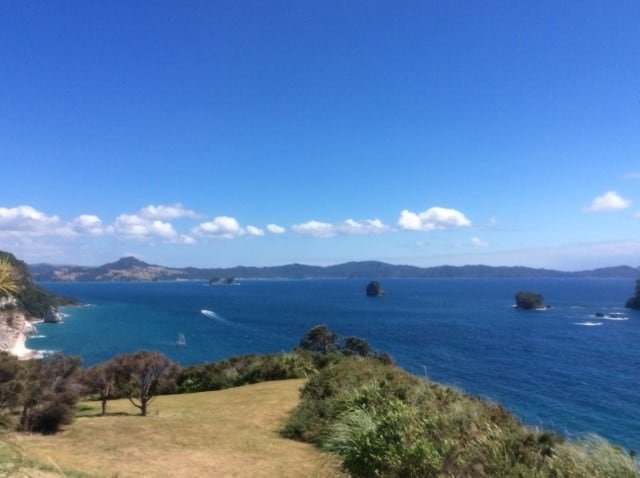
The Coromandel Peninsula was our first proper road trip in New Zealand, back when we were still finding our feet in the country, and it remains one of the best weekends you can build from Auckland. White sand beaches, a genuine dig-your-own hot pool, native forest and a scenic drive that never quite settles into boring. It is around two and a half to three hours from Auckland by car, easily doable as a long weekend, or stretched into a slower few days if you can spare them.
This is our honest, updated guide to the Coromandel Peninsula: where the roads and tracks actually stand in 2026, including the current access situation at Cathedral Cove after several years of storm damage, how to time a visit to Hot Water Beach properly, and where else on the peninsula is worth the detour.
In this article
- Getting there: driving times and road status
- Cathedral Cove: the current access situation
- Hot Water Beach: timing your dig
- Driving Creek Railway and Coromandel Town
- The 309 Road, the kauri grove and the forest park
- Whitianga, Ferry Landing and Cook’s Beach
- Karangahake Gorge: the scenic way home
- Where to stay
- Your questions answered
Getting there: driving times and road status
Most people reach the Coromandel Peninsula from Auckland via SH2 and SH25, or by cutting across on SH25A between Kopu and Hikuai. That second route is worth flagging specifically. A major slip closed it completely after the severe January 2023 storms, and it stayed shut for the best part of a year while a new bridge was built at Taparahi. It reopened in December 2023, three months ahead of schedule, and further underslip and culvert repairs elsewhere on SH25 (around Kuaotunu and Manaia) were completed by the end of 2025. As of 2026 the network is essentially back to normal, though this is genuinely landslide-prone country, so it is worth a quick check of the NZTA Journey Planner before you set off, especially after heavy rain.
Hire a car in Auckland before you go, since public transport barely touches this part of the country. Whichever route you take, allow the full two and a half to three hours and expect to want to stop constantly. We did, on that first trip, and we still do now.
Cathedral Cove: the current access situation
This is the one people ask us about most, and the honest answer has changed more than once in recent years. The 2022-23 summer storms caused serious damage around Mautohe Cathedral Cove, and the main walking track was closed for a long stretch while DOC worked out how to make it safe again. Walking access was restored in December 2024, backed by a $5 million International Visitor Levy investment, and as of our most recent check the main track from Grange Road to Cathedral Cove is open (DOC, checked July 2026).
That comes with real caveats. There is no parking at the Grange Road track entrance itself: you either park for free at the Hahei Visitor Carpark and take the park-and-ride shuttle, or use the privately owned, paid Cathedral Cove Gateway Trail farm walk from 150 Lees Road, which connects into the main track. The side tracks to Waimata Gemstone Bay and Stingray Bay remain closed due to ongoing damage, and DOC put out a proposal in May 2026 to discontinue them permanently rather than keep rebuilding them after every storm. The Hahei Beach Walk, the coastal route from Hahei village itself, is also closed for land instability. None of this is a one-off. The area is naturally unstable, this is Ngāti Hei land and the DOC-managed reserve sits within their rohe, and DOC has said plainly that closures can happen again at short notice during severe weather. Check the DOC Cathedral Cove updates page before you travel rather than assuming the track will be open on the day.
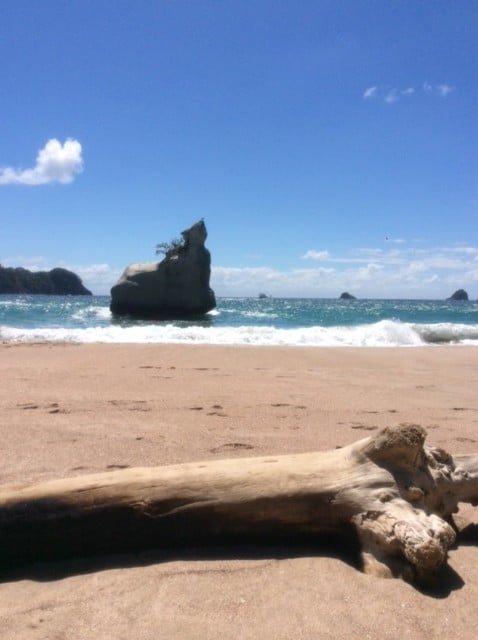
If you would rather not walk it at all, or the track is closed when you visit, a boat or kayak is a genuine alternative. Commercial operators run trips out of Hahei and Whitianga, or you can land your own kayak or small boat directly on the beach, weather and swell permitting.
| Access option | Cost | Notes |
|---|---|---|
| Walk from Grange Road (via Hahei Visitor Carpark + shuttle) | Free (shuttle fare may apply) | Steep in places, no shade, check DOC alerts first |
| Walk via Cathedral Cove Gateway Trail (150 Lees Road) | Paid parking | Private farm walk connecting to the main track |
| Boat trip from Hahei or Whitianga | Varies by operator | See it from the water, no walking required |
| Private kayak | Cost of kayak hire | Land directly on the beach, tide and swell dependent |
Always check the DOC Cathedral Cove updates page before travelling. Tracks in this area have closed at short notice more than once in recent years.
Hot Water Beach: timing your dig
Hot Water Beach is about 15 minutes from Cathedral Cove and remains the easiest place in New Zealand to dig your own natural hot pool, sourced from an underground spring beneath the sand. The window is roughly two hours either side of low tide, outside of which the hot spot is either underwater or too far up the beach to bother with. Spades can be hired, around $5 to $10 depending on the operator, or bought from the beachside café and store, though a determined pair of hands works just as well if you would rather not carry a spade home. Check the tide times before you go, since turning up at high tide means a long, disappointing wait on ordinary sand.

It gets genuinely busy in the two-hour windows either side of low tide in peak season, so arrive early, or accept you will be sharing your hot pool with strangers. Either is a fair trade for a free geothermal spa on a beach. We camped nearby on our first trip here, and one particular night, at a family-run winery just down the road, is a story we have told in full elsewhere (see Where to stay, below).
Driving Creek Railway and Coromandel Town
Coromandel Town, at the northern end of the peninsula, is quieter and considerably less polished than Whitianga or Hahei, and all the better for it. Driving Creek Railway, just north of town, is still running its narrow-gauge trains through regenerating native forest, over ten bridges and through three tunnels, up to the EyeFull Tower lookout with its views across the Hauraki Gulf. The full tour takes around 75 minutes, tickets run roughly $40 to $50 for an adult depending on the tour chosen, and it is popular enough in summer that booking ahead is genuinely worth doing rather than turning up and hoping.
The 309 Road, the kauri grove and the forest park
The 309 Road cuts across the peninsula between Coromandel Town and Whitianga, unsealed for most of its length, and it is one of those routes that turns a fairly ordinary drive into a proper little adventure: waterfalls, a swimming hole, and the Waiau Kauri Grove, a short, easy walk to a stand of mature kauri. Kauri dieback disease has hit much of the North Island’s kauri hard, and while the Coromandel’s trees have fared better than the Waitākere Ranges near Auckland, the disease has been confirmed in places here too. Hygiene stations are in place at the trailhead, and boardwalks keep foot traffic off the root zone, so use the cleaning stations properly and stay on the track. It is a small ask to help keep some of the country’s oldest trees standing.
Further south, Coromandel Forest Park around the Kauaeranga Valley is worth a full day if you have one to spare. The Pinnacles track (Kauaeranga Kauri Trail), a four to five hour return hike to one of the peninsula’s best viewpoints, is open in 2026, though heavy rain can raise river crossings and close the access road at short notice, so check conditions before you set out.

Whitianga, Ferry Landing and Cook’s Beach
Whitianga makes a good base for Cathedral Cove and Hot Water Beach alike, and the passenger ferry across Mercury Bay to Ferry Landing is worth doing just for the two-minute novelty of it, adult return around $6, running most of the day and into the evening. Ferry Landing gives you a quieter, less developed stretch of coast, with its own walking access toward Cathedral Cove from that side.
Cook’s Beach, further round, is a genuinely good spot for an afternoon with fewer people than Hahei. It is also where the Purangi Winery used to sit, the family-run place where we once spent a very cheap, very good night camping on their land, a story we have told in full in our freedom camping guide. Worth knowing if you go looking for it now: the original winery building has been closed for rebuild and relocation for the last couple of years, and Purangi has been trading as a pop-up out of Hot Water Brewing Co in nearby Whenuakite in the meantime, rather than from its old Cook’s Beach site.
Karangahake Gorge: the scenic way home
Technically this sits just outside the Coromandel Peninsula proper, in the gorge between the Kaimai Range and the Coromandel Range, but it makes a genuinely good detour on the way back to Auckland via SH2. The old gold-mining era railway tunnel, a lit, 1.1km walk-through, is still open, and the wider network of walks and swing bridges through the gorge is worth a couple of hours. Some sections of the loop walks were damaged in early 2026 storms and may only be walkable as an out-and-back rather than a full loop when you visit, so check the DOC or Hauraki District Council pages before you commit to a route.
Where to stay
Camping is genuinely part of the Coromandel experience, whether that is a DOC site in the Kauaeranga Valley (nine of them, bookable online, with the 2026/27 season opening for bookings in May 2026) or freedom camping in a self-contained vehicle, which we cover properly, including that night at the old Purangi Winery site, in our guide to freedom camping in New Zealand. If camping is not your thing, Whitianga, Hahei, Tairua and Coromandel Town all have a good spread of motels, holiday parks and private holiday homes, and prices climb fast between Christmas and Easter, so book ahead for that stretch specifically. The Coromandel is one of the busiest domestic holiday spots in the country over summer, and accommodation goes early.
If you are folding the Coromandel into a bigger trip, it slots naturally into the early days of our 10-day North Island self-drive itinerary, and our budget travel guide has more on keeping a weekend like this affordable. Our full New Zealand travel itineraries hub has more ways to build the Coromandel into a longer North Island route.
Your questions answered
Is Cathedral Cove open in 2026? Yes, the main walking track from Grange Road is open as of our most recent check, but there is no parking at the track entrance itself, and two side tracks (Waimata Gemstone Bay and Stingray Bay) remain closed due to storm damage. Always check the DOC Cathedral Cove updates page before you travel, since this is a naturally unstable area that can close at short notice.
Can you still get to Cathedral Cove by boat? Yes. Commercial boat and kayak operators run trips out of Hahei and Whitianga, and you can land a private kayak directly on the beach when conditions allow. It is a genuine alternative if the walking track is closed or you would rather see the archway from the water.
How do I know when low tide is at Hot Water Beach? Check a live tide chart for Whitianga or Hot Water Beach before you go. You want to arrive up to two hours before low tide and can keep digging for up to two hours after, giving roughly a four-hour window around each low tide.
Is the SH25A road through Kopu-Hikuai fully open again? Yes. The major slip that closed it after the January 2023 storms was repaired with a new bridge at Taparahi, reopening in December 2023, and further repair work elsewhere on SH25 was completed by the end of 2025. It is still worth checking NZTA’s Journey Planner before you travel, since this remains landslide-prone terrain.
Is Driving Creek Railway still running? Yes, year round, with multiple tours a day. Book ahead in summer, since it is one of the peninsula’s most popular attractions and does sell out.
Is the 309 Road worth driving if it is unsealed? Yes, for the waterfall, swimming hole and Waiau Kauri Grove alone. It is slow going in a standard car but manageable in good weather; just observe the kauri dieback cleaning stations properly at the grove.
How many days do you need on the Coromandel Peninsula? A long weekend, two to three nights, lets you cover Cathedral Cove, Hot Water Beach and one or two other stops without rushing. A week gives you time to add Coromandel Town, the 309 Road and a proper stretch of doing nothing on a beach, which is, honestly, the point of the place.
That first road trip taught us what New Zealand actually looks like once you get off the main tourist run, and the Coromandel has kept delivering on that promise every time we have been back. Got a question we have not answered, or an update on somewhere we have mentioned? Get in touch through our contact page.
You might also like

Aoraki / Mount Cook Travel Guide
Our real Aoraki / Mount Cook guide: Hooker Valley Track status, Tasman Glacier, Dark Sky stargazing and where to stay. Updated August 2026.
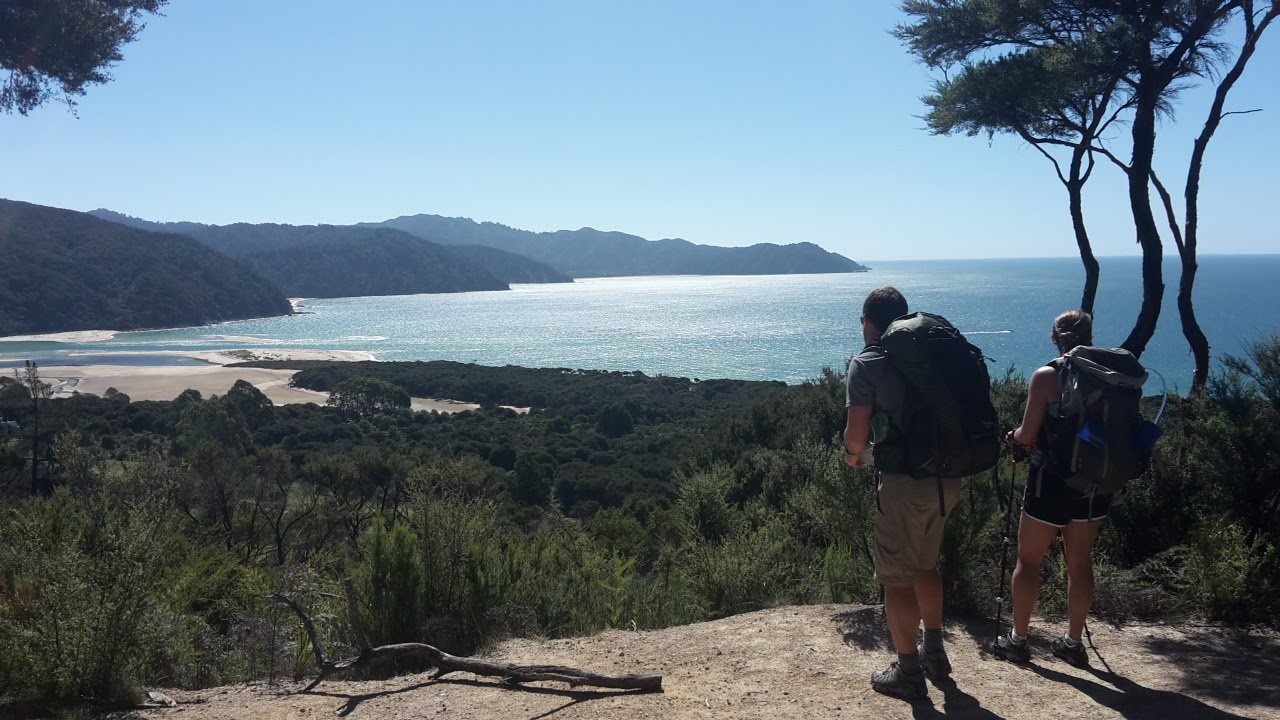
The New Zealand bucket list: experiences that are actually worth it
Our honest New Zealand bucket list: 11 experiences from ten years living there, with genuine opinions on what's worth it and what to skip. Updated 2026.

Planning a New Zealand road trip: routes, driving times and honest advice
Planning a New Zealand road trip? Real driving times, ferry booking advice, motorhome vs car and seasonal driving realities from ten years living there.