
Furnishing a Home Cheaply in New Zealand: Trade Me and the Op-Shop Economy
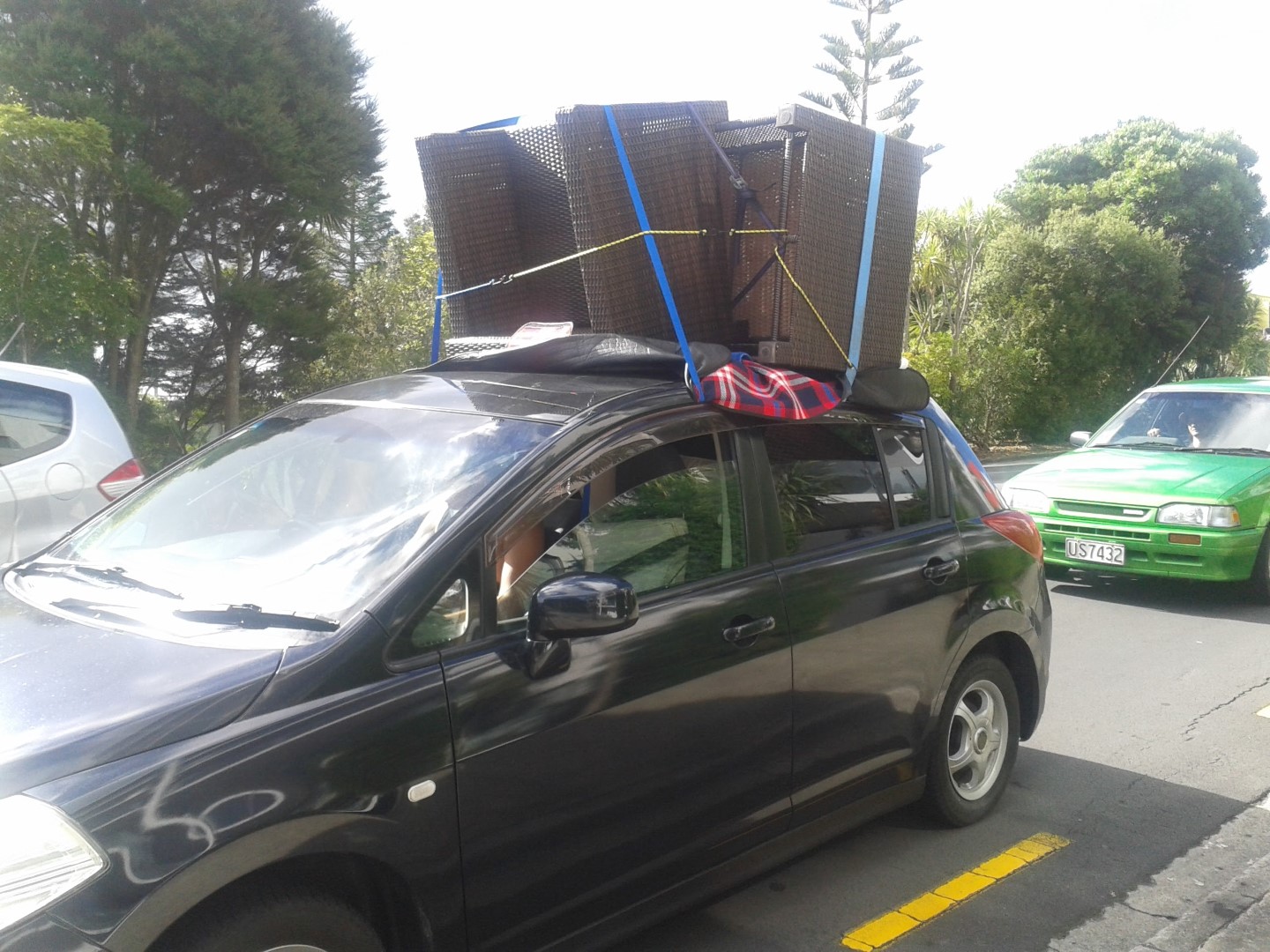
We furnished four separate homes in New Zealand from scratch, twice as renters arriving with nothing but suitcases, once for a tiny house, once for a lifestyle block, and every single time Trade Me and a circuit of local op shops did most of the heavy lifting. Furnishing a home cheaply in New Zealand isn’t really about hunting down bargains occasionally. It’s a whole parallel economy that most New Zealanders quietly participate in constantly, and once you understand how it works, kitting out a house here costs a fraction of what a furniture showroom would have you believe.
This guide covers where secondhand furniture in New Zealand actually comes from, how to use Trade Me properly, why op shops and Habitat ReStores are worth a genuine circuit rather than a one-off visit, and where buying new still makes more sense than buying used. We’ll be honest throughout about what we’d buy secondhand without hesitation and what we’ve learned, sometimes expensively, to always buy new.
In this article
- Trade Me: the backbone of secondhand New Zealand
- Facebook Marketplace and the local groups
- Op shops: the treasure-hunt culture
- Habitat ReStores: furniture with a purpose
- Kerbside finds and inorganic collections
- The moving-cycle rhythm: why January and February matter
- New and cheap: Kmart, The Warehouse, Briscoes and the furniture chains
- Whiteware: what to buy secondhand and what not to
- Your questions answered
A note on money before the detail: everything below is in New Zealand dollars first. As of mid-July 2026, GBP 1 buys around NZD 2.33 and USD 1 buys around NZD 1.71 (Wise, OFX, Trading Economics). Rates move daily, so check a live converter before using any of this for a real budget.
Trade Me: the backbone of secondhand New Zealand
If you take one thing from this guide, make it this: create a Trade Me account before you need anything, because it’s the closest thing New Zealand has to a national secondhand institution. It isn’t a niche classifieds site the way similar platforms can feel elsewhere. It’s genuinely woven into how people here buy and sell nearly everything, and in a recent survey of New Zealand businesses selling online, Trade Me ranked first among marketplaces used, ahead of both Facebook and Amazon.
Furniture listings run as auctions, fixed “Buy Now” prices, or both at once. In an auction, the seller sets a start price and buyers bid against each other; a bid placed in the last two minutes automatically extends the auction by two minutes, which stops last-second sniping from working the way it might elsewhere. Many casual sellers set a genuinely low start price to attract early interest, then add a Buy Now price as their actual target, which gives you two ways to win a listing: bid patiently and hope, or pay the Buy Now price and skip the wait entirely. From March 2026, Trade Me removed its Success Fee for casual Marketplace sellers, meaning private sellers keep the full sale price, which if anything has made more people list furniture they’d previously have driven to the tip.
Our own approach was always the same: watch a lot before bidding on anything, message the seller with a genuine question (it tells you a lot about how responsive and honest they are), and always arrange pickup ourselves rather than relying on a courier for anything bulky. A good dining table or a decent sofa on Trade Me routinely goes for a fifth or less of a retail price, and the quality is frequently better than anything in the same budget new, because you’re buying furniture that was originally bought properly the first time round.
Facebook Marketplace and the local groups
Facebook Marketplace is the other major channel, strong in every main centre and often the better option in smaller towns where Trade Me listings can be thin. It trails Trade Me as New Zealand’s preferred marketplace overall, but it has one real advantage: local “buy, sell and swap” Facebook groups, often organised by suburb or small town, where furniture gets listed, haggled over and picked up within hours, sometimes for free.
The etiquette differs slightly from Trade Me. There’s no bidding system and no buyer protection built in, so it comes down to messaging quickly, being clear about pickup timing, and turning up when you say you will, since “first to arrive with cash” is the unwritten rule in most groups. We’d use Facebook Marketplace and local groups for anything time-sensitive, a fridge someone needs gone by the weekend, a free pile of firewood, moving boxes, and Trade Me for anything we were happy to watch and wait on.
Op shops: the treasure-hunt culture
Op shops (short for “opportunity shops”, New Zealand and Australia’s term for charity or thrift shops) are everywhere, and furnishing a home here properly means treating them as a rotation rather than a single stop. The Salvation Army Family Stores are the biggest and most consistent network nationwide, restocked constantly from donations and genuinely good for furniture, not just clothing. Hospice shops (Mercy Hospice and similar regional hospice charities) and SPCA op shops round out most high streets, each funding a different cause, and each with its own quiet reputation locally for what turns up: hospice shops for homeware and books, SPCA for a surprising amount of decent furniture from house clearances.
The culture around them took us a while to learn properly. Stock turns over daily, so the good stuff genuinely doesn’t last, and the same shop can be full of nothing worth having one week and full of an entire deceased estate’s furniture the next. We got into a habit of doing a loop of two or three shops on the same afternoon most weekends when we were furnishing a place properly, rather than treating any single shop as the one that would have what we needed. It’s slower than clicking “buy” on something new, but it’s also genuinely enjoyable once you’re in the rhythm of it, and the prices reflect a charity trying to move stock, not a retailer trying to maximise margin.
Habitat ReStores: furniture with a purpose
Less well known to newcomers, but worth seeking out deliberately, are Habitat for Humanity’s ReStores. Habitat for Humanity New Zealand runs more than twenty of them nationwide, including several across Auckland (Henderson, North Shore, Ōtara, Panmure, Pukekohe and Kumeū among them) plus locations like Nelson. They sell donated and surplus furniture, homeware and building materials, and the proceeds go directly toward Habitat’s housing work, building and renovating homes for families who need them.
ReStores tend to have a different mix to a standard op shop: more furniture and homeware, less clothing, and often some genuinely useful building offcuts and fittings if you’re renovating rather than just furnishing, something we leaned on a fair bit during our own two-year renovation up in Northland. If there’s a ReStore near you, it’s worth adding to the same rotation as the Salvation Army and hospice shops rather than treating it as a one-off destination.
Kerbside finds and inorganic collections
New Zealand’s other secondhand source costs nothing at all: kerbside collection day. In Auckland, this runs through the council’s inorganic collection booking system rather than a fixed annual date for everyone. Every area gets one allocated collection week a year, and you book your specific slot online, by phone, or at a library, with bookings closing eight days before your area’s week. Every rated property gets one free collection a year, up to a cubic metre of material, put out by 7am on collection day.
The unofficial tradition, and we’d be lying if we said we hadn’t taken part, is driving the allocated streets the night before or early on collection morning, because plenty of what gets put out is genuinely good, an outgrown bookshelf, a slightly dated but structurally sound wardrobe, sometimes a barely used barbecue. Other councils run similar inorganic or kerbside bulk collections on their own schedules, so it’s worth checking your local council’s website directly rather than assuming Auckland’s system applies everywhere. Whatever you pick up this way, give it a proper clean and a hard look for damage or pests before it comes inside; free isn’t free if it brings borer beetle with it.
The moving-cycle rhythm: why January and February matter
If you’re furnishing a home and can time it at all, January and February are the months to aim for. This is when New Zealand’s rental market turns over hardest, students and graduates flatting for the new academic year, leases ending, people moving cities for new jobs after the summer break, and all of that churn means a genuine glut of furniture hitting Trade Me, Facebook Marketplace and op shops at once as people downsize, relocate or simply can’t be bothered shipping a sofa to their next flat.
We noticed this pattern properly once we started paying attention: prices on Trade Me for mid-range furniture noticeably softened in late January most years, purely because supply spiked faster than demand could absorb it. If your move date has any flexibility at all, furnishing in February rather than, say, October will get you more choice and better prices for essentially the same effort. It’s not a hard rule, and plenty of good finds turn up year-round, but if you’re planning ahead, that’s the window to watch.
New and cheap: Kmart, The Warehouse, Briscoes and the furniture chains
Not everything should be secondhand, and New Zealand has a solid tier of affordable new retailers worth knowing. Kmart has genuinely taken over from The Warehouse as the default cheap-and-cheerful option for a lot of households, now running 28 stores nationwide including a large new flagship at Westgate in Auckland, and it passed a billion dollars in annual New Zealand sales for the first time in the year to June 2025. The Warehouse remains bigger by total sales and is still very much trading everywhere, but it’s mid-turnaround, running a cost-reset programme after a loss-making year, which is worth knowing if you notice range or stock changes in-store.
Briscoes is the other constant, and it genuinely does seem to run a permanent sale, 30 to 60% off is close to its normal state rather than an occasional event, something a Massey University marketing academic has confirmed is a documented, deliberate strategy rather than a coincidence. The practical upshot: never buy anything at Briscoes’ listed price, wait a week or two and a sale will come round. For furniture specifically, Nood and Big Save Furniture (family-run and trading in New Zealand since 1973) are both still very much open, worth comparing directly against secondhand prices for anything you genuinely want new, a mattress, a sofa you’ll use daily for a decade, or flat-pack basics that are cheaper new than the hassle of collecting secondhand.
Whiteware: what to buy secondhand and what not to
Whiteware (New Zealand’s term for major kitchen and laundry appliances, fridges, washing machines, dryers) is the one category where we’d genuinely think twice before going secondhand, and where our own experience cuts both ways. A secondhand fridge or washing machine from Trade Me or a dedicated used-whiteware dealer can be a real saving, especially from a specialist reseller offering a short warranty rather than a private, no-comeback sale. We’ve bought both kinds: a private-sale washing machine that ran faultlessly for years, and a private-sale fridge that died within a fortnight with zero recourse, which is the real risk with whiteware bought privately rather than from a shop.
Our rule of thumb, learned the expensive way: buy secondhand whiteware only from a dealer offering some kind of warranty, even a short one, or from a private seller you can properly test running before you hand over any money, not just switched on for show. For anything that would leave you properly stuck if it failed, a fridge in a share house with no backup, a washing machine with a baby in cloth nappies, we’d lean toward buying new rather than gambling on a private sale, even at a higher price. Furniture rarely fails outright the way an appliance does; a secondhand sofa is just a sofa, but a dead fridge is a genuine emergency.
What we’d buy secondhand versus new
| Item | Buy secondhand | Buy new |
|---|---|---|
| Sofas, dining tables, bookshelves, dressers | Yes, almost always; Trade Me and op shops are full of well-made older pieces | Only if you want a specific size or style unavailable secondhand |
| Beds and mattresses | Frame yes, mattress generally no | Mattress new for hygiene and support; frames are fine secondhand |
| Fridges, washing machines, dryers | Only from a dealer with a warranty, or a tested private sale | New if you can’t afford the downtime of a failure |
| Small appliances (kettles, toasters, microwaves) | Sometimes, if cheap and testable in person | New is often barely more, and warranty matters here too |
| Curtains, rugs, lamps, homeware | Yes, op shops are excellent for these | Rarely worth paying new prices |
| Garden and outdoor furniture | Yes, especially kerbside and end-of-season Trade Me listings | New only for anything load-bearing like a deck swing seat |
Based on our own furnishing experience across four New Zealand homes, plus current 2026 retailer and marketplace research. Individual condition always matters more than the general rule, so inspect before you commit either way.
Your questions answered
Can I get a Trade Me account before I’ve arrived in New Zealand? Yes, you can register from overseas, though you’ll generally need a New Zealand bank account or card and, for some verified selling features, a New Zealand address before you can transact fully. It’s worth setting up your account and watching a few searches before you land, so you already understand pricing when you arrive.
Is it safe to buy secondhand furniture on Trade Me without seeing it first? It’s common practice for smaller items and generally fine for furniture too, but we’d always ask for extra photos of any damage, wear or pet exposure before committing, and arrange to collect in person for anything large rather than relying on a courier that can’t easily handle bulky, fragile items.
Do op shops in New Zealand deliver furniture, or do I need my own transport? Almost never for standard stock; you’re expected to collect it yourself, so a car, a trailer, or a friend with a ute (a small pick-up truck, the classic Kiwi tradie’s runabout) is genuinely useful when furnishing this way. Some larger charity stores and Habitat ReStores can arrange paid delivery for bigger pieces, so it’s worth asking rather than assuming you’re stuck.
How much should I budget to furnish a one-bedroom rental from scratch in New Zealand, buying mostly secondhand? It varies hugely by what you already own and how patient you’re willing to be, but a genuinely thorough secondhand furnish, bed, sofa, table, basic kitchenware and a few soft furnishings, is realistically achievable for well under half of what the same list would cost entirely new, sometimes far less if you catch the January to February glut.
Are Habitat ReStores only for building materials, or can I furnish a whole room there? Both. ReStores sell a genuine mix of furniture, homeware and building offcuts, so they’re worth treating as a furnishing stop in their own right, not just a renovation supplies shop, alongside your local op shop rotation.
What should I never buy secondhand in New Zealand? Mattresses, for hygiene and support reasons most physios and retailers agree on, and any electrical whiteware from a private seller you can’t properly test running first. Car seats and cot mattresses for babies are the other hard no, since safety standards and invisible wear matter more than the saving.
Can I pick up items from someone else’s inorganic collection kerb, or is that only for the property owner? In practice, plenty of people do drive the streets during a neighbourhood’s inorganic week and take items left out, and it’s a well-established (if unofficial) local habit rather than something councils actively police. It’s not guaranteed to be legal everywhere and etiquette matters, don’t rummage through clearly bagged rubbish, only take what’s obviously been put out for anyone, and leave the rest tidy.
Furnishing a home cheaply in New Zealand really is a genuine parallel economy, Trade Me for patience and choice, Facebook groups for speed, op shops and Habitat ReStores for the treasure hunt, and the January to February glut if your timing allows it. Save new purchases for the things that genuinely warrant it: mattresses, whiteware without a warranty, and anything you’d hate to gamble on. If you’re still at the earlier planning stage, our guide to renting a home in New Zealand and our breakdown of how much it costs to move to New Zealand are worth reading alongside this one, and if you’re deciding what’s worth shipping from home versus buying fresh here, our guide to shipping your belongings to New Zealand covers that call in detail. Once the house itself is sorted, our upcoming guide to the cheapest supermarkets in New Zealand picks up where this one leaves off, on the weekly shop rather than the one-off furnish. We go deeper on full moving budgets and room-by-room furnishing checklists in our full paid guide. Found a genuinely great op-shop or Trade Me story of your own? Get in touch with us here; we still swap furnishing stories with friends years later.
You might also like

Best Places to Live in New Zealand in 2026: Our Honest, City-by-City Guide
Auckland, Wellington, Christchurch and six more places compared on rent, jobs and climate for 2026, from a couple who actually lived in three of them.

The Best Banks in New Zealand for Migrants
Which New Zealand bank is best for migrants in 2026: ANZ, ASB, BNZ, Westpac, Kiwibank and the challengers compared, fees, apps and deposit protection.

Buying a Car in New Zealand: A 2026 Guide to Costs, WoF and Rego
Buying a car in New Zealand: 2026 prices for WoF, rego, insurance and RUC, plus where to buy, imports and EVs, from a couple who actually did it.