
Living in Northland, New Zealand: Our Honest Guide After Four Years in the Bay of Islands
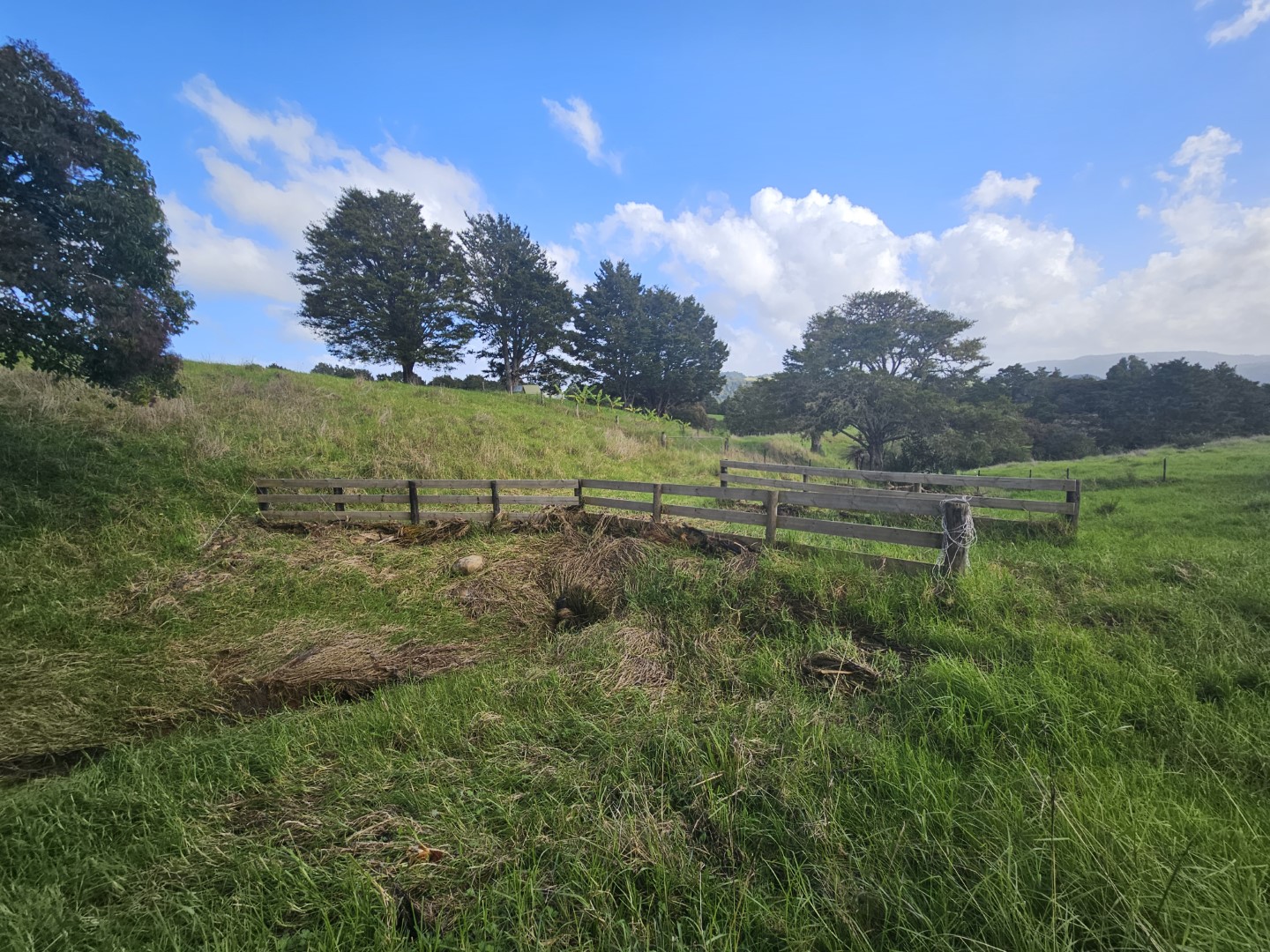
We lived in Northland for four years, longer than anywhere else in our ten years in New Zealand, based rurally outside Kerikeri in the Bay of Islands. It’s the part of the country we know best: the part where we grew vegetables in Kerikeri’s red clay, kept a small flock of increasingly opinionated chickens, and got used to checking a water tank gauge instead of just turning on a tap. If you’re seriously weighing up living in Northland, New Zealand, rather than just visiting it, this is the guide we wish someone had handed us before we signed the lease on that first rural property.
Northland gets talked about as a holiday destination, all white sand beaches and Hole in the Rock boat trips, and it earns that reputation. Living here is a different proposition to visiting. It’s warmer, slower and often cheaper than most of the country, and it’s also more remote, with a smaller job market and a healthcare system that assumes you’ll sometimes drive an hour for anything serious. We loved our four years there. We’d be doing you a disservice, though, if we didn’t tell you honestly who it suits and who it doesn’t.
In this article
- Kerikeri: the heart of it for us
- Whangārei and the other Northland towns
- The cost of living and housing
- The honest jobs reality
- Climate and lifestyle: the winterless north
- Schools and healthcare
- Northland towns compared
- Who Northland suits, and who it doesn’t
- Your questions answered
A quick note on money before we get into figures: everything below is in New Zealand dollars first. As of mid-July 2026, GBP 1 buys around NZD 2.33 and USD 1 buys around NZD 1.71 (Wise, OFX, Trading Economics), so divide any NZD figure by 2.33 for pounds or 1.71 for US dollars. Rates move daily, so check a live converter before relying on any of this for a real budget.
Kerikeri: the heart of it for us
Kerikeri is where we based ourselves, and it’s the town most people mean when they talk about living in the Bay of Islands rather than visiting it. It’s grown fast: around 8,380 people at the last estimate, up from 8,070 at the 2023 Census, itself a 12.3% jump since 2018 (Stats NZ). That growth shows in the traffic through town on a Saturday morning, which would have baffled us when we first arrived.
It’s citrus and wine country first, a proper working horticultural district, with orchards and boutique vineyards lining the roads out toward the coast. We’ve covered the sightseeing side of Kerikeri, the Stone Store, Kemp House and Rainbow Falls, in our Bay of Islands travel guide, so we won’t repeat that here. Day to day, expect gravel roads once you’re a few minutes off the main strip, water tanks and septic systems on most rural properties, and a genuine sense of space that’s hard to get used to after Auckland or Wellington. We were never more than a short drive from a beach, and never more than ten minutes from Bay of Islands Airport, which runs direct Air New Zealand flights to Auckland about 29 times a week, a 45 to 50 minute hop, with fares reported from around $149 return (roughly £64 or US$87). That flight mattered more than we expected, for work trips, family visits and the odd hospital appointment we couldn’t get locally.
Kerikeri suits retirees, remote workers, growers and families who want space over convenience. It doesn’t suit anyone who wants a big-town job market on their doorstep, because there isn’t one.
Whangārei and the other Northland towns
Whangārei is Northland’s only real city, and it does the heavy lifting for the whole region: the biggest hospital, the widest range of shops and services, the main council offices, and by far the largest local job market. It’s about 85km, 1hr 12min, from Kerikeri, and a further 162km, roughly 2 hours, on to Auckland. Door to door, Kerikeri to central Auckland is a genuine 3hr 20min drive, more with roadworks, worth sitting with before you commit to living further north and commuting regularly.
Beyond Whangārei and Kerikeri, Northland is mostly small towns. Paihia and Russell anchor the tourist side of the Bay of Islands, covered in our Bay of Islands guide; living there means a strong seasonal rhythm, busy in summer, quiet in winter, built largely around hospitality and tourism. Further north, Kaitāia is the main town of the Far North proper, more remote, more affordable, and further from specialist services. Whangaroa Harbour, where Isaac’s family originates from and where we spent countless weekends over those four years, is smaller again, a genuinely close-knit boating community covered in our Whangaroa Harbour guest blog; living rurally around a harbour like that means real isolation in exchange for real beauty.
The cost of living and housing
Housing across Northland is, on average, cheaper than the main centres, but it varies a lot by town. Kerikeri sits at the pricier end: the average house value is around $908,750, with median listings closer to $985,000 (about £390,000 to £423,000, or US$531,000 to $576,000), reflecting demand from retirees and lifestyle buyers as much as local incomes (Opes Partners, 2026). Median rent in Kerikeri runs about $620 a week overall, $650 for a house and $420 for a unit (about £180 to £279, or US$246 to $380).
Whangārei is meaningfully cheaper on both counts: median house price around $715,000 to $720,000, down slightly over the past few months, and median rent around $590 a week (roughly £253, or US$345), against a national median rent of $625 a week in April 2026 (Trade Me Property Rental Price Index). Kaitāia is cheaper again on houses, averaging around $417,250, though rent has held up at about $595 a week, oddly close to Whangārei despite the much lower purchase price, a reminder that rental supply, not just local wages, drives what you’ll pay. Our renting a home in New Zealand guide covers bond, notice periods and securing a rental with no local history, which matters more here than in a big city with hundreds of listings a week; in Northland, patience is part of the process.
Day to day costs outside housing felt broadly similar to the rest of the country: groceries and fuel don’t get cheaper because you’ve moved somewhere rural, and fuel adds up fast if your nearest supermarket or GP is a 20 to 40 minute drive. What we saved on rent, we sometimes spent again on the drive to get to it.
The honest jobs reality
This is the section we’d want someone to be blunt with us about, so we will be. Northland’s median annual earnings sit around $55,000, roughly 15% below the national median, reflecting a job market weighted heavily toward seasonal, agricultural and service work rather than the higher-paying professional and public-sector roles concentrated in Auckland and Wellington (MoneyBalance, compiled from Stats NZ and MBIE data, 2026). The adult minimum wage is $23.95 an hour from April 2026, and a good chunk of local tourism and hospitality work sits not far above it.
The industries that actually employ people here are horticulture, forestry, farming, tourism and marine engineering. Horticulture alone employs over 1,500 people in Northland, about half in the Far North, and the kiwifruit sector had a record season with $80 million in orchard gate returns from 700 hectares (Northland Regional Council, March 2026). We saw this first-hand: packhouse and orchard work is plentiful in season, trades are in steady demand because everything gets built or fixed locally, and there’s real opportunity if you’re prepared to be self-employed, a builder, an electrician, a boat mechanic, a landscaper. What’s thin on the ground is the mid-tier corporate career: marketing, finance, tech, management. Those roles exist mostly in Whangārei, in smaller numbers, paying less than the Auckland equivalent.
What actually made Northland work financially for most people we knew was one of three things: a remote job brought with them, self-employment in a trade or small business, or retirement on savings, a pension or KiwiSaver drawdown. Rural broadband has improved a lot since we lived there. Around 90% of rural households and businesses now have access to at least 5Mbps under the government’s Rural Broadband Initiative, and Chorus fibre now passes around 87% of New Zealand addresses, which makes remote work a genuinely realistic plan now. A further push toward 95% coverage has stalled without confirmed government funding, so don’t assume fibre is coming to a specific rural address, check it. We’d still say: don’t move to Northland assuming you’ll find a well-paid local job once you arrive. Move with an income plan already in place, and treat any local job as a bonus.
Climate and lifestyle: the winterless north
Northland earns its nickname. It’s New Zealand’s warmest region, genuinely subtropical in feel, with around 2,000 sunshine hours a year. Summer maximums run 22 to 26C, winter maximums a mild 14 to 17C with minimums of 7 to 12C, and ground frosts are rare (NIWA data). We grew bananas and citrus in our own garden without really trying, which tells you most of what you need to know.
The trade-off is rain and humidity, particularly in winter, when the same warmth that keeps frost away also keeps the clouds coming in off the Tasman. Our clay soil turned to something close to concrete in a dry summer and something close to soup after a wet week in June. Northland also sits in the path of ex-tropical cyclones more than the rest of the country. Cyclone Gabrielle in February 2023 triggered a state of emergency here that lasted nearly three weeks, closed 450 council roads, damaged more than 3,400 homes and left insurance claims of $38 million; regional recovery work is expected to continue into 2030. It’s a reminder that the same coastline and hill country that makes Northland beautiful can also cut you off for a few days when a proper storm rolls through.
The lifestyle itself is slower, and it took us a while to adjust after Auckland and Wellington. People wave from cars on gravel roads. Plans get made and unmade around the tide and the weather. Beaches that would have queues in Europe are often empty on a weekday. If you thrive on that pace, it’s genuinely restorative. If you need a city’s energy to feel alive, four years taught us it can start to feel very quiet by the second winter.
Our own four years became the full Northland life, and we regret none of it. After a stint in a tiny house, we bought a lifestyle block outside Kerikeri with an old house on it and spent two years doing it up. We planted out a good chunk of the land in natives and got quietly obsessed with rewilding, and at the peak we were running cows, more than thirty sheep and a flock of chickens, alongside an extensive orchard and vege gardens, with a pond and a small river at the bottom of the property. That life is available here at a price that would be pure fantasy in Auckland. It also comes with fencing, drenching, water pumps and the discovery that sheep are escape artists, so go in with your eyes open.
Schools and healthcare
Kerikeri’s main state secondary is Kerikeri High School, Year 7 to 13, with a roll of around 1,600 and a well-established international student programme. Further south around Kawakawa, Bay of Islands College covers Years 9 to 13, roll 475, with a Māori bilingual unit (Reorua) and around 85% of students bussed in, a good indicator of how spread out the local population is. There are several smaller contributing primary schools across the wider Kerikeri and Bay of Islands area, and rural families should expect a longer school run than they’re used to, ours included.
Healthcare is the area we’d flag hardest. Bay of Islands Hospital in Kawakawa is a 20-bed community hospital with a small emergency department, a maternity unit with two delivery suites, an 8-station dialysis unit and outpatient clinics, useful and well-run, but not equipped for major surgery, intensive care or complex specialist treatment. For anything beyond that, the plan is a transfer to Whangārei Hospital, Northland’s only secondary hospital, 246 beds and a 24-hour emergency department, currently being redeveloped under Project Pihi Kaha to add new theatres, an ICU and a cardiac catheter lab. For anything more specialist, cancer treatment, major trauma, tertiary paediatrics, the honest answer is Auckland, a genuine half-day round trip from Kerikeri. GP capacity here has been stretched at times too, so enrol with a local practice as soon as you arrive, not when you need an appointment.
Northland towns compared
| Town | House price (avg/median) | Median rent (weekly) | Best for |
|---|---|---|---|
| Kerikeri | $908,750 to $985,000 | $620 ($650 house, $420 unit) | Retirees, remote workers, growers, lifestyle blocks |
| Whangārei | $715,000 to $720,000 | $590 | Local jobs, hospital access, everyday services |
| Paihia (Bay of Islands) | $716,950 (avg) | $500 (limited data) | Tourism and hospitality work, waterfront living |
| Kaitāia (Far North) | $417,250 (avg) | $595 | Maximum affordability on land, real remoteness |
All figures in NZD. House prices from Opes Partners property market data, 2026; rents from myRent.co.nz and realestate.co.nz, accessed July 2026. Rural and lifestyle-block properties away from these towns can be cheaper again, but further from schools, shops and healthcare.
Who Northland suits, and who it doesn’t
Northland suited us for the beaches, the warmth, the pace and the sense of growing and building things ourselves rather than buying everything in. It tends to suit retirees with savings or a pension, remote workers with income already secured, small business owners and tradespeople, and families who value space and a slower childhood over a packed activity calendar.
It doesn’t suit people who need a deep, varied local job market, anyone chasing a fast-moving professional career, or anyone who’d struggle being a genuine hour or more from a specialist hospital. It’s a harder sell if you’re not prepared for occasional cyclone season road closures, patchier mobile coverage off the state highway, or a pace some newcomers find liberating and others find isolating by their second winter. If any of that gives you pause, our broader what it’s actually like to live in New Zealand guide and our region by region best places to live in New Zealand comparison are worth reading before you narrow things down to Northland specifically.
Your questions answered
Is Northland a good place to live in New Zealand? It depends entirely on what you need. For sunshine, space, beaches and a slower pace, it’s hard to beat, and it’s genuinely more affordable than Auckland or Wellington. For career variety, specialist healthcare on your doorstep or a fast pace of life, it’s one of the harder regions to make work.
Is Kerikeri or Whangārei better to live in? Kerikeri suits retirees, remote workers and lifestyle buyers who want horticultural, coastal living and don’t need a big local job market. Whangārei is the more practical base if you need everyday services, the region’s main hospital, or the best chance of a local job.
What jobs are available in Northland? Horticulture (especially kiwifruit and citrus), forestry, farming, tourism, marine trades and general trades are the mainstays. Corporate and professional roles are limited and concentrated in Whangārei. Many people who move here bring a remote job, run their own business, or are retired.
How much does it cost to rent in Northland? Median rent runs from about $500 a week in Paihia to around $650 a week for a house in Kerikeri, with Whangārei and Kaitāia in between at $590 to $595 a week (myRent.co.nz and realestate.co.nz, 2026). Rural lifestyle-block rentals can be cheaper again, but expect a longer drive to town.
Is Northland internet good enough for remote work? Fibre broadband is solid in Kerikeri, Whangārei and the larger towns. Further out, coverage has improved a lot in recent years: around 90% of rural households now have access to at least 5Mbps, and Chorus is extending fibre further, though it’s worth checking coverage at a specific address before you commit to a rural property if remote work is your income.
What’s the healthcare like in Northland? Bay of Islands Hospital in Kawakawa covers emergency, maternity and dialysis needs locally, but anything requiring surgery, intensive care or a specialist means a transfer to Whangārei Hospital, and the most complex cases go to Auckland. GP capacity has been stretched at times, so enrol with a practice as soon as you arrive.
Does Northland really not get winter? Not in the way most people picture it. Ground frosts are rare and snow essentially unheard of, with winter daytime temperatures typically 14 to 17C. It’s genuinely mild, but it’s also the wettest, most humid part of the country in winter, and it sits in the firing line for ex-tropical cyclones between roughly November and April.
That’s what it’s actually like to live in Northland, day to day, honestly. If you’re at the planning stage, our step by step guide to moving to New Zealand covers visas, shipping and the practical groundwork, and we go deeper on budgets, visa routes and settling-in specifics for Northland in our full paid guide. Got a question about living in Kerikeri, Whangārei or anywhere else in the Bay of Islands? Get in touch with us here; we lived it for four years and we’re happy to help you work out if it’s right for you too.
You might also like
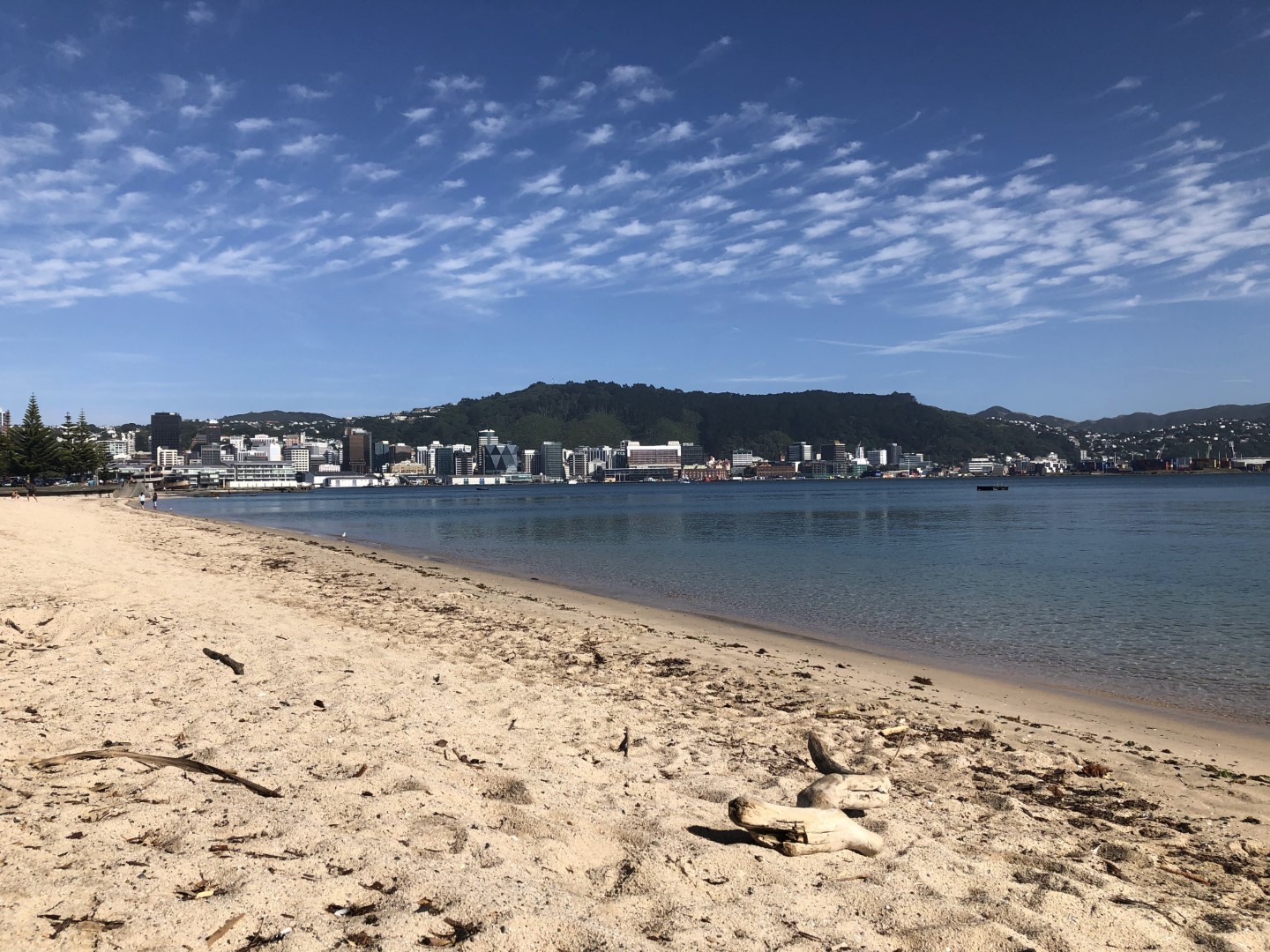
Best Places to Live in New Zealand in 2026: Our Honest, City-by-City Guide
Auckland, Wellington, Christchurch and six more places compared on rent, jobs and climate for 2026, from a couple who actually lived in three of them.

The Best Banks in New Zealand for Migrants
Which New Zealand bank is best for migrants in 2026: ANZ, ASB, BNZ, Westpac, Kiwibank and the challengers compared, fees, apps and deposit protection.
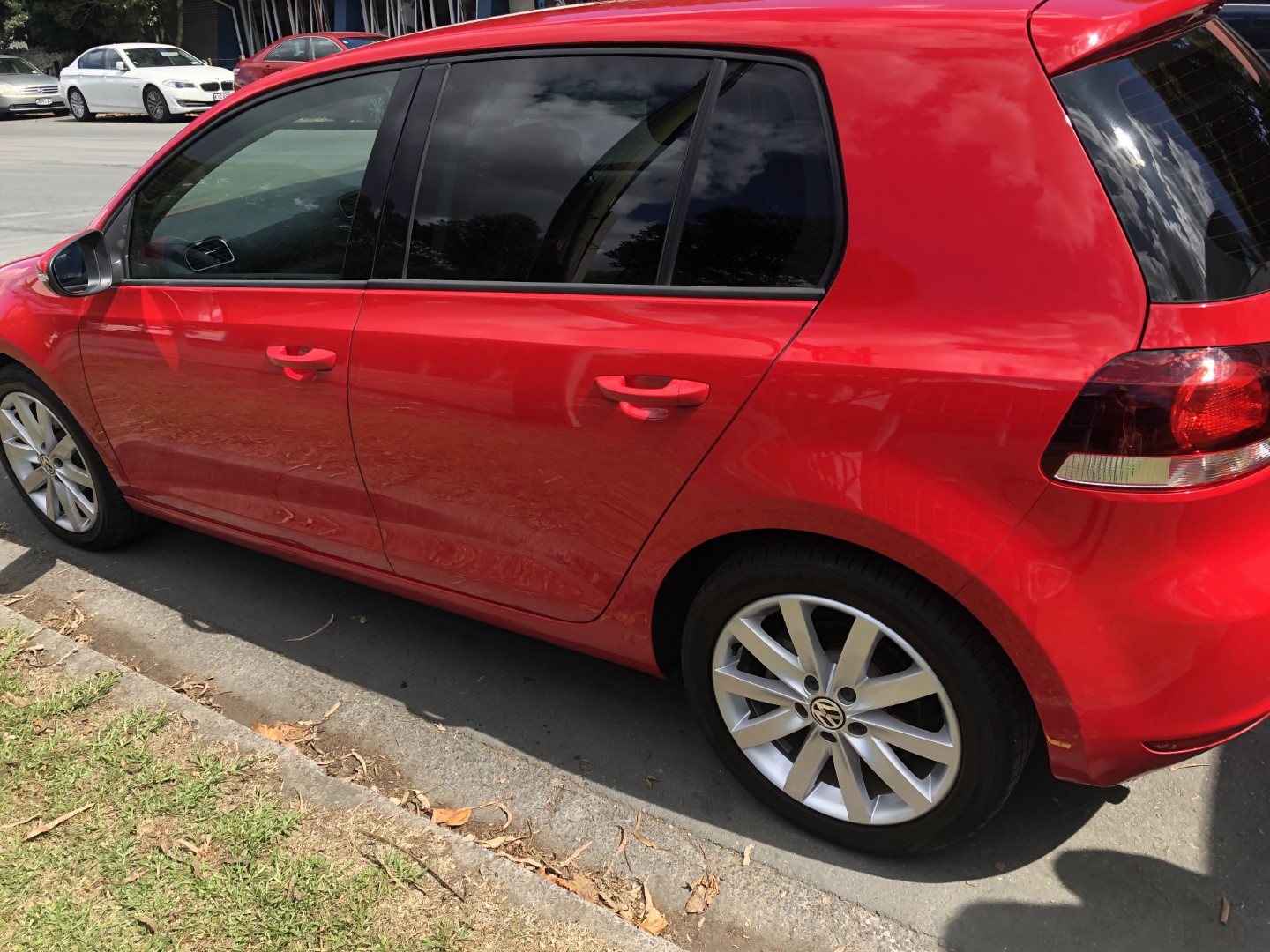
Buying a Car in New Zealand: A 2026 Guide to Costs, WoF and Rego
Buying a car in New Zealand: 2026 prices for WoF, rego, insurance and RUC, plus where to buy, imports and EVs, from a couple who actually did it.