
Bay of Islands NZ Travel Guide
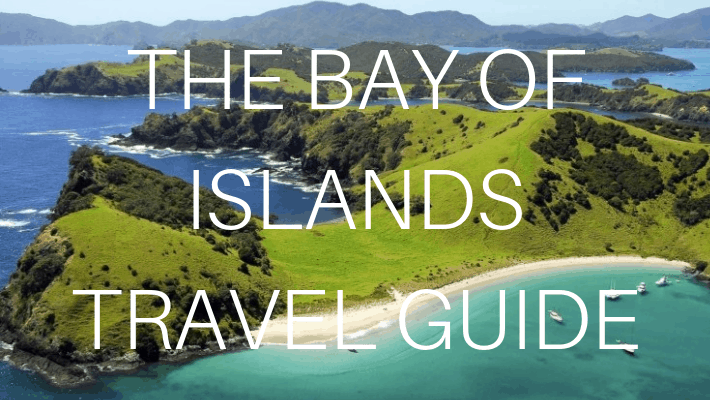
If you think of white sandy beaches in New Zealand, you’re probably picturing the Bay of Islands. Most visitors make the mistake of landing in Auckland and heading straight south. We’d reconsider that route. The Bay of Islands is an easy three to three and a half hour drive north of Auckland, and it’s one of the most rewarding regions in the whole country: sheltered water, 144 islands, deep Māori and colonial history, and small towns that feel a world away from the city.
We’ve visited the Bay of Islands more times than we can count over the years, including for a family wedding, and this guide is built from those visits plus a fresh check in 2026, because a few things have changed here since we first wrote it, most notably the dolphin swimming rules and who owns which cruise company.
In this article
- Where to base yourself: Paihia or Russell
- Getting out on the water: cruises, the Hole in the Rock and the dolphin swimming ban
- Fullers Bay of Islands vs Explore Group
- A budget-friendly way to see the islands
- Scenic flights with Salt Air
- Waitangi Treaty Grounds
- Kerikeri: orchards, waterfalls and history
- Venture north to Whangaroa Harbour
- Your questions answered
Where to base yourself: Paihia or Russell
The two main towns for accommodation are Paihia and Russell.
If you want a base with plenty of bars, cafes and shops, Paihia is the one. It’s also the easiest option if you don’t have your own wheels, since all the coach companies and cruise operators are based right on the waterfront. If you do have a hire car, think about basing yourself in Russell instead. The drive up from Auckland is genuinely part of the adventure.
Russell is a little further off the beaten track, since you need to cross by ferry to reach it, and it still has no big supermarket, just a well-stocked dairy and a couple of small grocers. What it does have is history. Russell is known to Māori as Kororāreka, and it was one of New Zealand’s earliest European settlements, briefly serving as the country’s first colonial capital before Auckland took over in 1841. It has a quiet, quaint feel with a slightly British seaside flavour that we’ve always loved.
The two towns attract a slightly different crowd, and whichever one you stay in, the other is worth a day trip for lunch and a wander. You’ll get a different flavour of nightlife depending on which side of the bay you’re on.
To get between them, you can take the passenger ferry that runs regularly between Paihia and Russell wharves throughout the day (a short, scenic 15 minute hop), or drive round via the Opua to Okiato vehicle ferry, which runs every 10 to 20 minutes and currently costs from around NZ$18 one way per car plus passengers, or $2 for foot passengers. UK and US readers: expect to pay roughly £8 or US$10 for the car crossing at current exchange rates (about NZ$2.35 to the pound and NZ$1.70 to the US dollar in mid-2026), though rates move, so check before you travel.
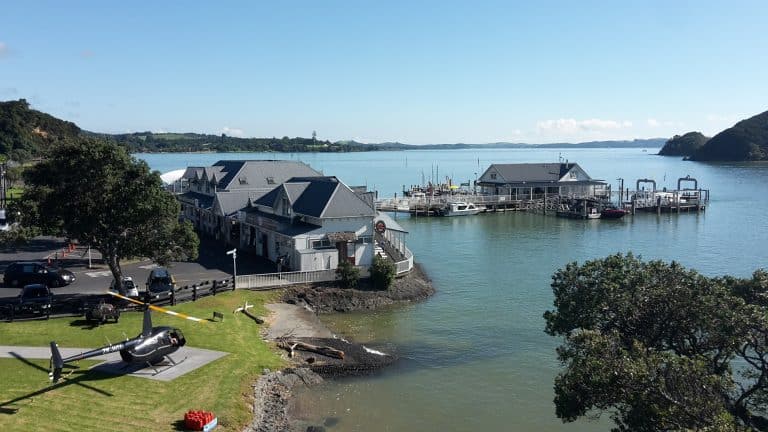 Paihia Ferry Terminal & Tourist Information Centre
Getting out on the water
The one thing you’re really here for is to get out onto the water. There are several ways to do it, and one important rule has changed since we first explored this bay.
An important update: you can no longer swim with wild dolphins here. In December 2019, the Department of Conservation created the Te Pēwhairangi (Bay of Islands) Marine Mammal Sanctuary, banning swimming with dolphins across the whole bay. The local bottlenose dolphin population had crashed from around 278 individuals in 1999 to just 26 recognisable dolphins by 2020, and studies found the dolphins were spending most daylight hours with at least one boat nearby, affecting their ability to feed and raise calves. Boats must now stay at least 300 metres away from any dolphins they encounter, with fines of $600 to $800 for breaches. You can still watch dolphins from a licensed cruise boat (Fullers Bay of Islands and Explore both hold DOC marine mammal viewing licences), but nobody offers swim-with-dolphin trips any more. If you fancy a swim, most cruises still stop for one off the boat somewhere well away from any dolphins, usually at Otehei Bay.
Fancy cruising in style?
With R. Tucker Thompson you can board a genuine tall ship with a friendly crew, who’ll take you to parts of the bay that the big catamarans can’t reach. Expect a fresh fish lunch, a small group of like-minded travellers, and a chance to swim off the boat away from any marine mammals. The ship sails as a day trip through the warmer months (roughly October to April) and is run by a non-profit sail training trust, so your ticket also helps fund youth development voyages for young New Zealanders. It’s a genuinely different experience from the bigger boats.
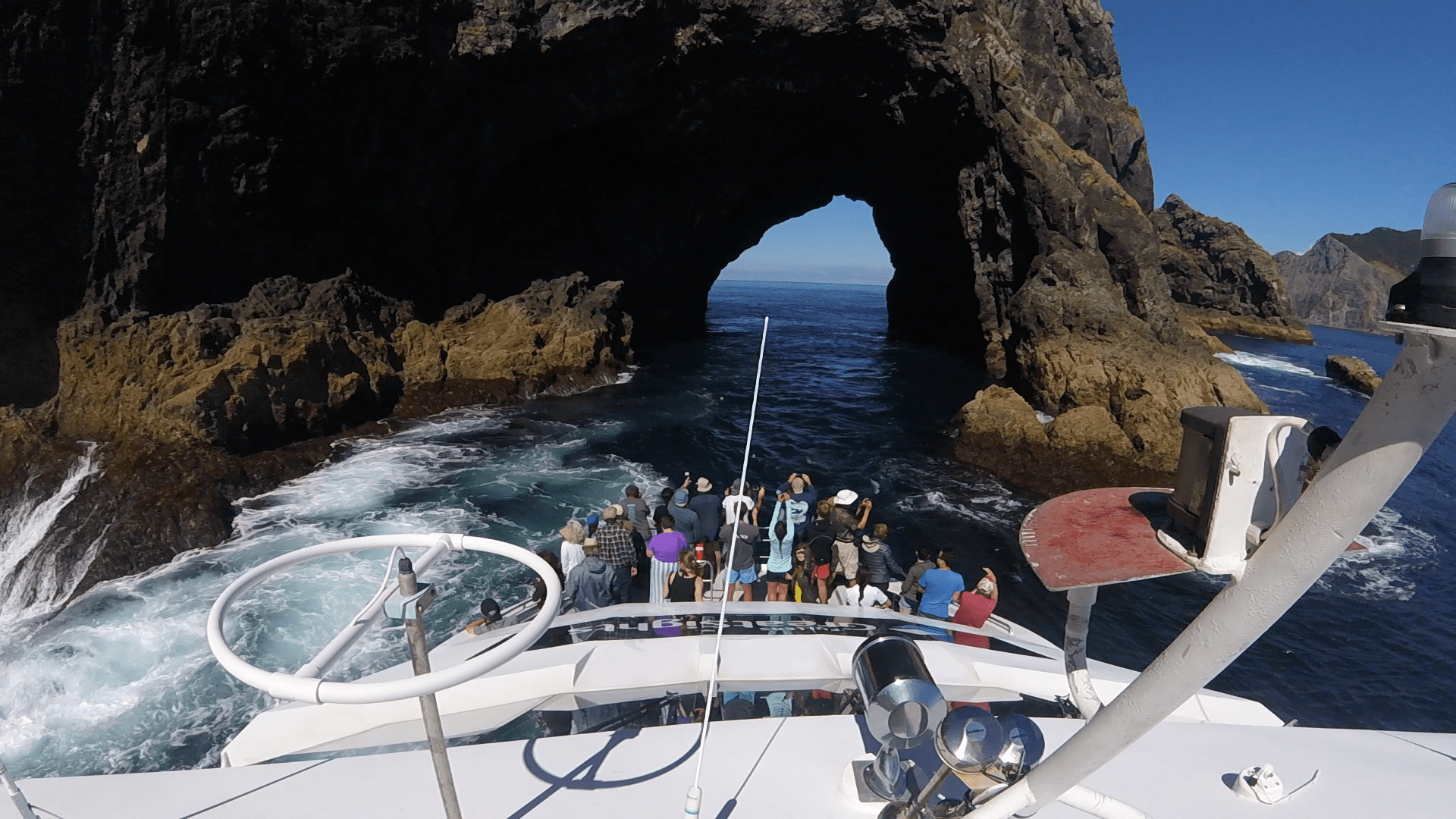 The Hole in the Rock
Fullers Bay of Islands vs Explore Group
For years there was a well-known rivalry between the two big cruise operators here, Fullers GreatSights and Explore Group, right down to who could use whose café on Otehei Bay. Worth knowing before you book: in 2021 Explore Group bought the Fullers GreatSights Bay of Islands operation outright, and in 2024 rebranded it as Fullers Bay of Islands. Both brands still run from separate desks in Paihia and both still cruise out to the Hole in the Rock and stop at Otehei Bay on Urupukapuka Island, but they’re now part of the same company. Either way you’ll get a similar day out: a large catamaran, a scenic run down the Cape Brett peninsula to sail through the Hole in the Rock (conditions permitting), and a stop at the seasonal Otehei Bay Café & Bar (open roughly October to April). We’d suggest a half day trip over a full one. We’ve found the full day option a little long and the boat quite crowded, and you can genuinely see just as much in half the time.
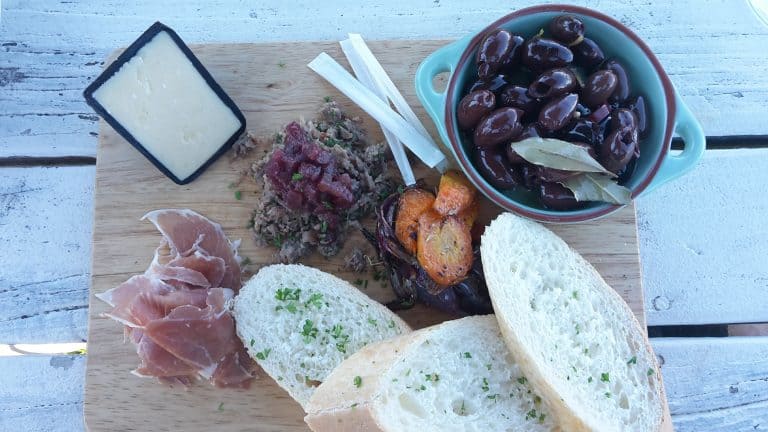 The platter at Otehei Bay Café, small size pictured, larger available
A budget-friendly way to see the islands
If the full day cruise price feels steep, both Fullers Bay of Islands and Explore Group run a cheaper commuter-style ferry out to Otehei Bay on Urupukapuka Island. It won’t come with the full narrated cruise, but you’ll get time on the island to walk, kayak and eat at the café, often for less than half the cost of the full cruise. Fares have moved around a lot since we first wrote this guide, so book online for the current rate rather than relying on an old number. Vigilant Yacht Charters, a small classic sailing yacht based in Russell, is another good-value way to get out on the water with a much smaller group.
Scenic flights with Salt Air
During one of our visits, Dawn got the chance to fly with Salt Air, whose base sits right on the Paihia waterfront. Their helicopters are small, usually two passengers in the back, the pilot and one more up front, so if you book as a couple you’ve got a good chance of an exclusive flight. Dawn landed right on top of the Hole in the Rock on one of their scenic trips and said being the only people standing on that island, even for a few minutes, was the highlight of her whole trip.
Salt Air is still flying in 2026, and they’ve since added an exclusive landing experience on the Hole in the Rock itself, run in partnership with the local Motu Kōkako Ahu Whenua Trust, alongside their usual scenic flights and half day trips further north to Cape Reinga. Book ahead in summer, as they get busy.
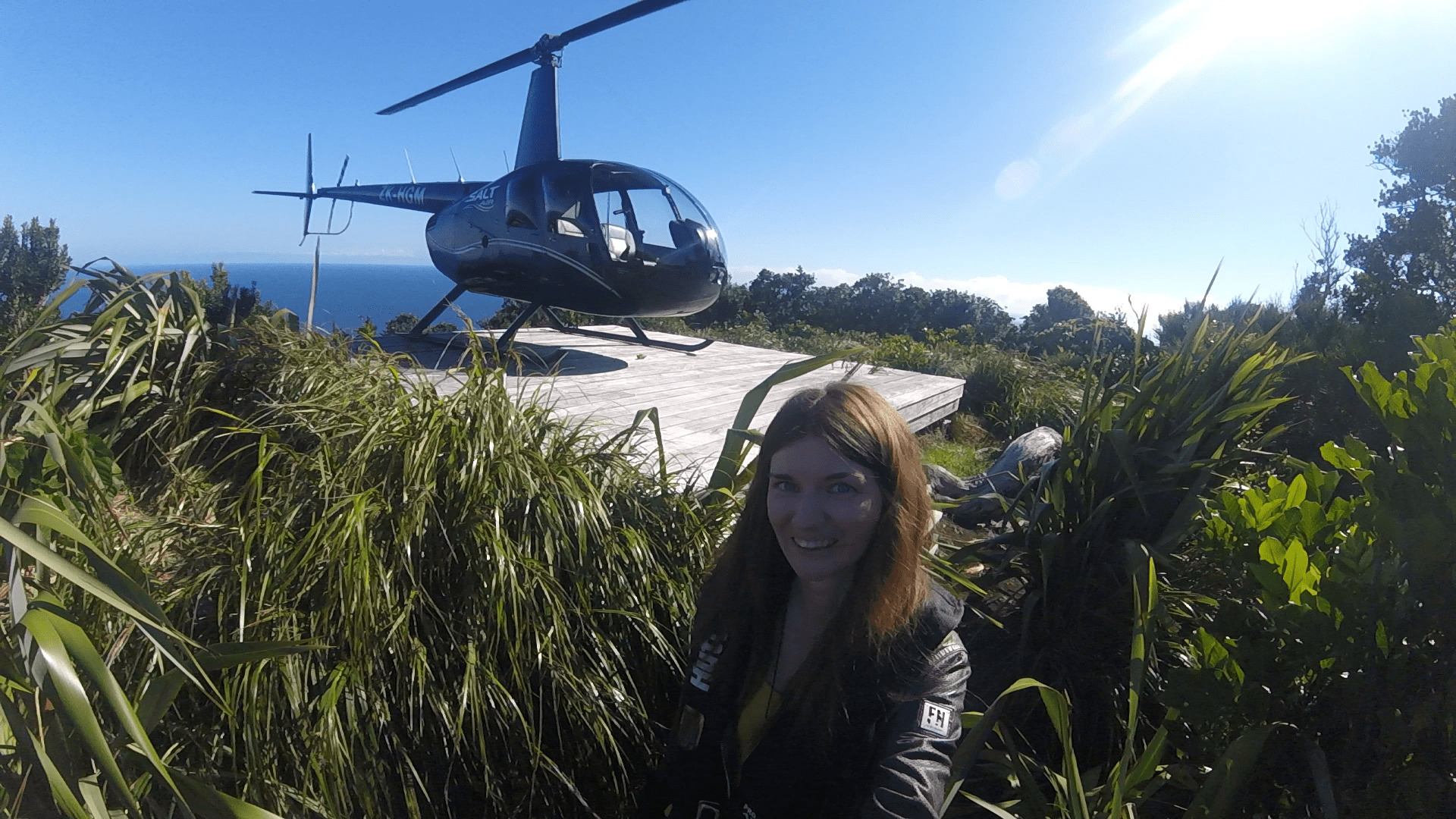 On top of The Hole in the Rock with Salt Air
Waitangi Treaty Grounds
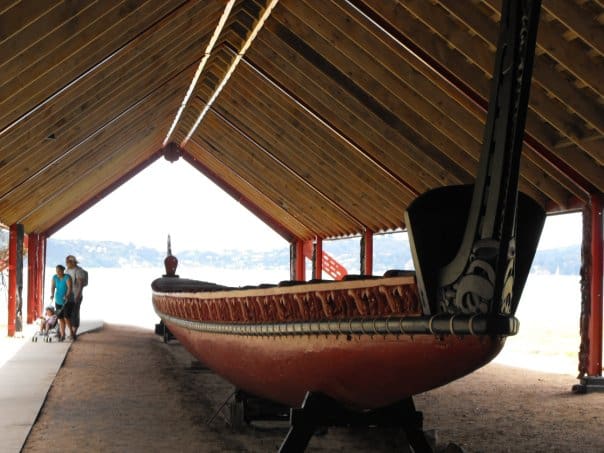
Fancy keeping your feet on land? The Waitangi Treaty Grounds is where the Treaty of Waitangi, New Zealand’s founding document, was signed in 1840. The grounds cover more than 500 hectares and easily fill an afternoon.
The award-winning Te Kōngahu Museum of Waitangi opened here in 2016, so it’s no longer the shiny new addition it was when we first visited, but it’s still genuinely worth the entrance fee: it walks you through the story of the Treaty from multiple perspectives, with hundreds of images and immersive displays. Current admission runs at roughly NZD$37 for New Zealand residents and NZD$74 for international visitors, with kids under 12 free, though prices do move, so check the official Waitangi site before you go. You can add a Māori cultural performance and hāngī experience at the meeting house for a further fee, and the gardens give you a lovely view back over the bay from a different angle. It’s a must for any history buff.
Kerikeri: orchards, waterfalls and history
If you have half a day spare, don’t skip Kerikeri, about 20 minutes north of Paihia. It’s the food and heritage hub of the region: the Kerikeri Basin has the Stone Store (built in 1836, New Zealand’s oldest surviving stone building) and Kemp House next door (1822, the country’s oldest surviving building), both still open to visitors and well worth the short stop. A gentle riverside walk from the Basin leads to Rainbow Falls, a pretty waterfall that’s an easy family walk. Kerikeri is also citrus and wine country, so it’s a nice spot to pick up fresh produce or stop at a small vineyard on your way through.
Got an extra day? Venture north
Just under an hour’s drive north is Whangaroa Harbour, and it’s totally worth the detour. The harbour is full of history and feels a lot quieter and more untouched than the Bay of Islands. It holds a special place in our hearts, as it’s where Isaac’s family originates from, and we’ve spent many Christmases and holidays up there. We never get bored of exploring somewhere new within Northland, often called the winterless north, and we’d guarantee you won’t be disappointed either.
If you’re building a longer trip, our New Zealand itineraries hub has full North Island routes that build the Bay of Islands in properly, and if you’re travelling on a budget our guide to travelling New Zealand cheaply has more tips like the commuter ferry above. If you’ve got a self-contained vehicle, freedom camping is a genuinely good way to see this whole region without blowing the budget.
Your questions answered
Can you still swim with wild dolphins in the Bay of Islands? No. Swimming with dolphins has been banned across the whole bay since December 2019, when DOC created the Te Pēwhairangi Marine Mammal Sanctuary to protect a rapidly declining local dolphin population. You can still watch dolphins from a licensed cruise boat, but boats must stay at least 300 metres away and nobody legally offers swim-with-dolphin trips any more.
How do I get from Paihia to Russell? The passenger ferry runs regularly across the harbour and takes about 15 minutes, or you can drive round via the Opua to Okiato vehicle ferry, which runs every 10 to 20 minutes throughout the day. Both are simple, no-booking-needed options.
Should I choose Fullers Bay of Islands or Explore Group for the Hole in the Rock cruise? Both are now owned by the same parent company and offer a very similar cruise, stopping at the Hole in the Rock and Otehei Bay. Compare current timings and half day versus full day options before booking. We’d lean towards the half day trip.
How much does it cost to visit the Waitangi Treaty Grounds? Recent pricing runs around NZD$37 for New Zealand residents and NZD$74 for international adult visitors, with children under 12 free, though this changes, so check the official Waitangi Treaty Grounds website before your visit.
Is Russell the same place as Kororāreka? Yes. Kororāreka is the original Māori name for the settlement now known as Russell, and it briefly served as New Zealand’s first colonial capital before that role passed to Auckland in 1841.
How many days do you need in the Bay of Islands? Two to three days lets you see Paihia or Russell, get out on the water for the Hole in the Rock, and visit Waitangi. Add a fourth day if you want to head north to Whangaroa Harbour or Kerikeri as well.
Got a Bay of Islands tip of your own, or spotted something in this guide that’s changed since we last checked? Get in touch with us here, we’d love to hear it.
You might also like

Aoraki / Mount Cook Travel Guide
Our real Aoraki / Mount Cook guide: Hooker Valley Track status, Tasman Glacier, Dark Sky stargazing and where to stay. Updated August 2026.
A Weekend on the Coromandel Peninsula
Our updated 2026 guide to a weekend on the Coromandel Peninsula: Cathedral Cove's current access, Hot Water Beach timing, road status and where to stay.
The New Zealand bucket list: experiences that are actually worth it
Our honest New Zealand bucket list: 11 experiences from ten years living there, with genuine opinions on what's worth it and what to skip. Updated 2026.