
Subdividing a Section in New Zealand: What We Learned Doing It
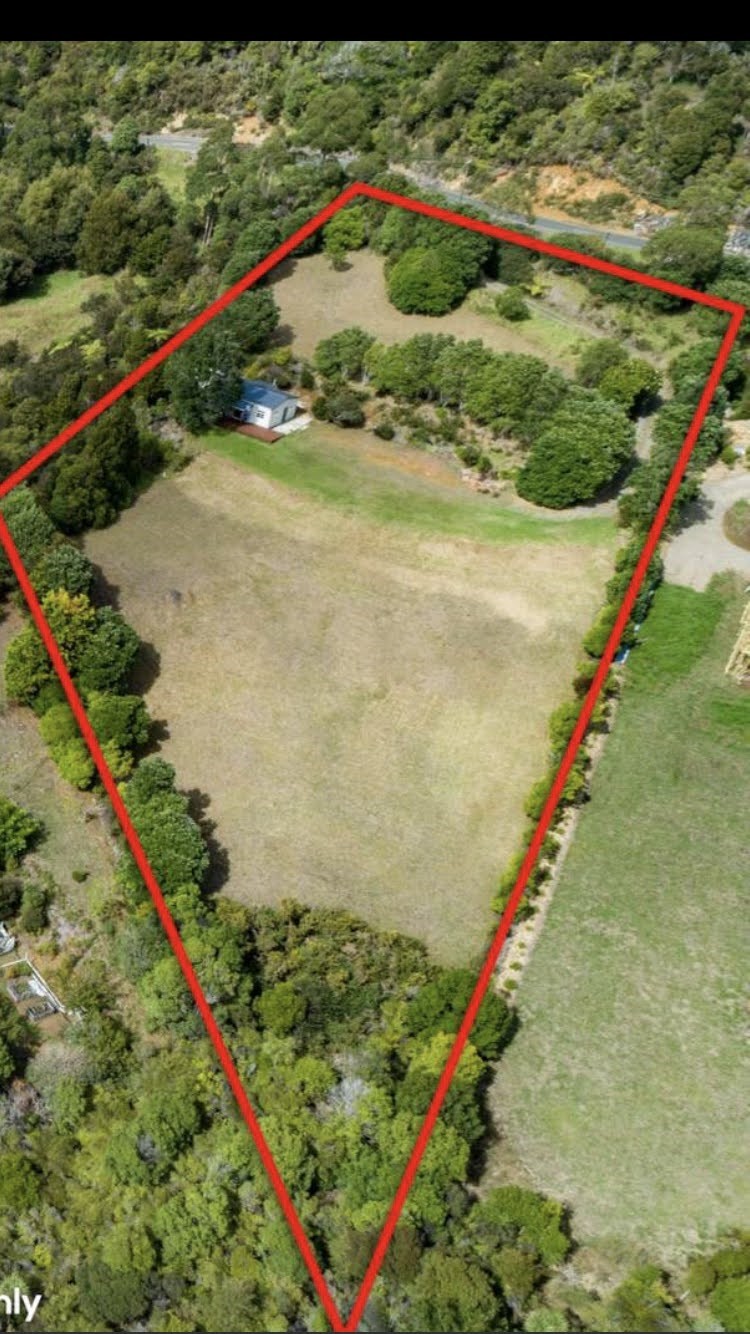
Subdividing a section in New Zealand sounds simple when you say it out loud: draw a new line, get two titles instead of one. We subdivided the land on our own lifestyle block outside Kerikeri, after two years spent renovating the old house on it, and simple is not the word we’d use. It was slower, more paperwork-heavy and more expensive than we expected going in, and it was still, on balance, worth doing. This is what we actually learned along the way, paired with how the process and the numbers stand in 2026.
This is not legal, planning or tax advice. Subdivision rules sit inside each council’s district plan, and they vary significantly from one part of the country to another, so treat everything here as a general guide and get advice specific to your own property before you commit any money.
In this article
- Why people subdivide, and why it’s getting harder in places
- The process, step by step
- The professionals you’ll need, and why they earn their fees
- What it actually costs
- Development and financial contributions, explained
- How long it really takes
- Tax: what to know before you sell
- Your questions answered
Why people subdivide, and why it’s getting harder in places
Subdivision is the legal process of splitting one piece of land into two or more separate parcels, each ending up with its own Record of Title issued by Land Information New Zealand (LINZ). People do it to release land value without selling the whole property, to fund a renovation or retirement, or simply because the section is bigger than they need and someone else would like a piece of it. That was roughly our own reasoning: land we’d loved living on and rewilded a good chunk of, more than we needed once the two-year renovation was done, and a chance to hand part of it on to someone else while keeping the part that mattered most to us.
It’s worth knowing that rural subdivision in particular has been getting harder to push through in some areas, not easier. National direction protecting highly productive land has, in REINZ’s own words, “to some extent, slowed the subdivision of farms into smaller lifestyle blocks in most areas,” and a number of district plans are actively trying to stem what’s often called “urban crawl” into the countryside. On top of that, New Zealand’s whole planning system is mid-reform: the government introduced a Natural Environment Bill and a Planning Bill in December 2025, intended to eventually replace the Resource Management Act 1991 (the RMA), with full transition not expected until around 2029. For now, the RMA and your council’s existing district plan are still what governs any subdivision application, but it’s worth asking your planner whether anything in the pipeline could affect your specific site before you start.
The process, step by step
The mechanics are broadly the same everywhere, even though the fine detail, and the fees, vary by council.
- Feasibility check. A surveyor or planning consultant checks your section against the district plan: zoning, minimum lot size, hazard overlays and services, to confirm subdivision is realistically possible before you spend money on anything formal.
- Resource consent application. Nearly every subdivision needs resource consent under the RMA and the relevant district plan. Your planner prepares and lodges the application; the council can request further information, and depending on the district plan and any objections, it may be processed with or without public notification.
- Survey. A licensed cadastral surveyor measures the site, defines the new boundaries, and prepares the scheme plan and, once consent is granted, the survey plan for the new titles.
- Engineering and physical works. Most subdivisions require new or upgraded infrastructure: stormwater, wastewater, water supply and vehicle access, built to council and utility provider standards. This is usually the most expensive single stage.
- Section 223 certificate. Once the survey plan matches what was approved in the resource consent, the council signs off under section 223 of the RMA, confirming the plan can be lodged with LINZ.
- Section 224(c) certificate. A separate, final certificate confirming every condition of the resource consent has actually been met on the ground, not just on paper, usually tied to completion of the physical works.
- New titles. With both certificates in hand, your surveyor lodges the plan with LINZ, and new Records of Title are issued for each new parcel of land.
One detail worth flagging: the section 223 approval lapses three years after it’s signed if the 224(c) certificate hasn’t been lodged with LINZ by then. On a slow-moving project, that clock matters.
The professionals you’ll need, and why they earn their fees
Three professionals carry a typical subdivision: a planner, a surveyor and a property lawyer. A planning consultant navigates the district plan and the resource consent application itself, translating council rules into something that will actually get approved. A licensed cadastral surveyor measures the land, prepares the scheme and survey plans, and eventually lodges the title documents with LINZ. A property lawyer handles the legal side: easements, covenants, any sale and purchase agreements for the new lot, and the eventual settlement.
Our honest take, having been through it: the paperwork is genuinely relentless, and the process is slow in a way that tests your patience more than your wallet at times. But every one of those three professionals earned their fee. A good surveyor and a good planner between them stopped us making mistakes that would have cost far more to fix after the fact than their invoices did up front. If you’re weighing up whether to do a subdivision at all, our advice is simple: budget for genuinely good people in all three roles, not the cheapest quote you can find.
What it actually costs
Costs vary hugely by region, lot size and site complexity, so any single number is misleading on its own. As a general guide, a straightforward small-scale rural or provincial subdivision, splitting one section into two, commonly runs from the low tens of thousands of dollars per new lot at the simplest end, once you add together survey fees, planning fees, legal fees and council charges, up toward $80,000 to $120,000 or more once services, engineering works and development contributions are properly accounted for. Auckland sits well above all of that: reported 2026 figures put a two-lot Auckland subdivision at roughly $180,000 to $220,000 per lot once feasibility, design, engineering, council and LINZ fees, site works and legal costs are all included, and Auckland’s Infrastructure Growth Charge alone is around $24,500 per residential unit including GST, rising to around $29,300 from 1 July 2026. Complex sites anywhere, with hazard overlays, hill country or constrained services, push costs higher again.
The honest summary: outside the main centres, plan for the low tens of thousands as a floor rather than a full budget, and get quotes from your own surveyor, planner and council early, because the gap between a simple, well-serviced site and a complicated one is enormous.
Development and financial contributions, explained
Development contributions are payments councils charge when new development, including a subdivision, adds demand for infrastructure: roads, water and wastewater networks, stormwater systems, parks and community facilities. They’re separate from resource consent fees and from the physical cost of building the infrastructure itself; think of them as your new lot’s contribution toward the shared network it’s now drawing on. Some councils use a related but legally distinct tool, financial contributions, aimed more directly at managing environmental effects under the RMA.
The numbers vary enormously by council. Smaller or lower-growth councils commonly charge somewhere in the $5,000 to $15,000 per lot range, while high-growth councils, Auckland chief among them, can charge $30,000 to $80,000 or more per lot. Ask your council for its current development contributions policy early in the feasibility stage, because this single line item can be one of the biggest variables in your overall budget, and it’s set by council policy rather than negotiated.
How long it really takes
Budget in months, not weeks. A straightforward two-lot subdivision on a well-serviced, low-complexity site typically takes somewhere around six to twelve months from initial feasibility work through to LINZ issuing new titles, and that’s the optimistic end. Add a notified resource consent, a hazard overlay, a constrained access point or any objection from a neighbour, and it stretches out considerably further. Our own experience matched the slower end of that range rather than the faster one, and if there’s one piece of advice we’d give anyone starting out, it’s to plan your finances and your patience around the slow scenario, not the best case you read on a surveyor’s website.
Tax: what to know before you sell
Two separate tax angles matter here, and they’re easy to conflate. The first is the bright-line test: for residential property sold on or after 1 July 2024, profit is generally taxable if you sell within two years of the title being registered in your name, subject to exclusions like it genuinely being your main home throughout. For subdivided land specifically, the bright-line clock for the new, separate title generally starts from when that new title is created, not from when you originally bought the whole undivided section, so a subdivision can effectively restart the clock on the part you’re selling.
The second, and less well known, angle sits entirely outside the bright-line test. Under the Income Tax Act, if you develop or subdivide land within ten years of buying it, the profit is generally taxable unless the work involved was genuinely minor, meaning little more than surveyor and lawyer fees. Anything involving real earthworks, roading, drainage or similar physical development work is very likely to count as more than minor, and a separate rule can apply to major development work regardless of how long you’ve owned the land, if the scale of the works resembles a proper commercial development project. None of this depends on whether you personally think of yourself as a “developer”; it depends on what you actually did to the land and how long you’d owned it.
We are not tax advisers, and this is exactly the kind of area where a five-minute conversation with an accountant before you start can save a very expensive surprise afterwards. Confirm your own position with Inland Revenue directly or a property-focused tax adviser before you commit to subdividing anything you might sell.
Our own experience
Looking back, the word that sums up subdividing our own land is paperwork. Application forms, scheme plans, engineering drawings, certificates, more forms. It was slow in a way that occasionally tested us, particularly waiting on council sign-offs that sat in a queue for weeks longer than we’d hoped. But it genuinely wasn’t wasted time or wasted money. Good surveyors and planners don’t just fill in forms, they catch problems with access, services and boundary lines before those problems become expensive, and by the time our new titles were issued, we understood exactly why professionals in this field charge what they do. We’d do it again. We’d also go in with clearer eyes about the timeline, and we’d have that first conversation with an accountant earlier than we did.
Subdivision at a glance
| Stage | Who’s mainly involved | Typical timeframe |
|---|---|---|
| Feasibility check | Surveyor or planner | 2 to 4 weeks |
| Resource consent application | Planner, with council | 2 to 6 months, longer if notified |
| Survey and scheme plan | Licensed cadastral surveyor | Runs alongside consent and construction stages |
| Engineering and physical works | Contractors, engineer, utility providers | 2 to 6 months, site dependent |
| Section 223 certificate | Council | Weeks, once survey plan matches consent |
| Section 224(c) certificate | Council | After physical works are confirmed complete |
| New titles issued | Surveyor lodges with LINZ | Weeks, once both certificates are held |
Figures are general guidance only. Complex sites, notified consents or council backlogs can extend any of these stages considerably; confirm current timeframes with your own surveyor and council.
Your questions answered
Can I subdivide my section without resource consent? Almost never. Nearly every subdivision requires resource consent under the RMA and the relevant district plan, because subdivision itself is defined as a use of land requiring council approval, separate from any building consent for what gets built afterwards.
What happens if my resource consent conditions aren’t met in time? The section 223 certificate, which allows the survey plan to be lodged, lapses three years after it’s signed if the section 224(c) certificate hasn’t followed by then. If that happens, your subdivision consent lapses and you’d need to reapply.
Do I need a resource consent and a building consent separately? Yes, they’re different things. Resource consent under the RMA covers the land use and subdivision itself; building consent under the Building Act covers any structure you build, including new infrastructure connections, on the new lot afterwards.
Is subdividing highly productive rural land harder than a normal section? Often, yes. National policy protecting highly productive land, plus district plans increasingly aimed at limiting rural sprawl, have made some rural and lifestyle subdivisions harder to get consented than a straightforward urban or provincial residential split.
Does selling a subdivided lot always trigger the bright-line test? Only if you sell within the bright-line period, generally two years from when the new title is registered, for property sold on or after 1 July 2024. Selling outside that window can still be taxable under separate land sale rules if the subdivision work itself was more than minor.
How much of the cost is council fees versus the physical work? It varies by site, but development contributions, resource consent fees and engineering works for new services (stormwater, wastewater, water and access) together usually outweigh survey and legal fees. Ask your council for its current development contributions policy early, since that figure alone can shift your budget substantially.
Can I live in the house while the subdivision is going through? Generally yes, subdividing doesn’t require you to vacate the property, though physical works stages (new driveways, service connections) can disrupt access or utilities temporarily. Ask your contractor and planner about staging if you need to stay living on site throughout.
Subdividing is a genuinely useful tool if you’ve got more land than you need, but it rewards patience and good advisers far more than it rewards speed. If a lifestyle block with subdivision potential is what you’re actually looking to buy, our guide to buying a lifestyle block in New Zealand covers the purchase side, and our broader guide to buying a house in New Zealand covers LIMs, builder’s reports and settlement in general. For the tax side, our plain-English guide to income tax in New Zealand explained is a useful starting point before you talk to an accountant about your own situation.
We go into more depth on rural property strategy, including subdivision, in our full paid relocation guide, currently being rebuilt into a new edition. If you’re earlier in the process altogether, our step by step guide to moving to New Zealand is the place to start.
None of this is legal, planning or tax advice, and subdivision rules genuinely differ by council and change as district plans and the wider resource management system are reformed, so confirm your own position with a surveyor, a planning consultant and a property lawyer before you commit. Got a question about subdividing your own section? Get in touch through our contact page; we’ve been through the whole process ourselves and we’re happy to share what we learned.
You might also like

Best Places to Live in New Zealand in 2026: Our Honest, City-by-City Guide
Auckland, Wellington, Christchurch and six more places compared on rent, jobs and climate for 2026, from a couple who actually lived in three of them.

The Best Banks in New Zealand for Migrants
Which New Zealand bank is best for migrants in 2026: ANZ, ASB, BNZ, Westpac, Kiwibank and the challengers compared, fees, apps and deposit protection.
Buying a Car in New Zealand: A 2026 Guide to Costs, WoF and Rego
Buying a car in New Zealand: 2026 prices for WoF, rego, insurance and RUC, plus where to buy, imports and EVs, from a couple who actually did it.