
New Zealand Accommodation Guide and Costs
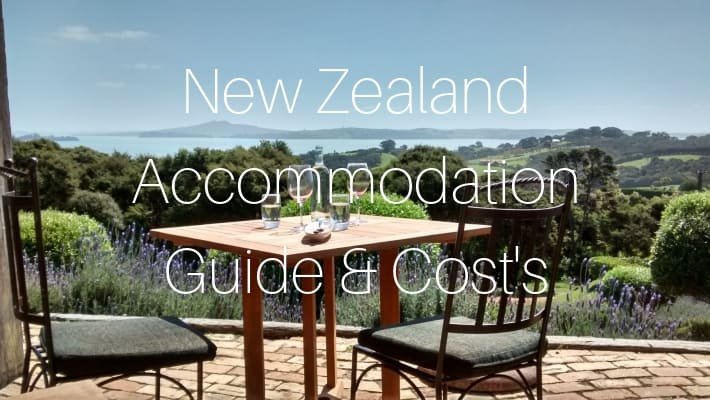
From luxury lodges and centrally located hotels to family-hosted B&Bs, motels, backpackers and cute Kiwi baches, New Zealand really does have it all. Which you choose comes down to your budget and the kind of trip you want.
A quick word on the prices below. They are indicative 2026 ranges to help you plan, but costs vary a lot by region and season. Popular spots like Queenstown and Auckland sit at the top end, while quieter places such as Punakaiki or the West Coast offer far better value. High summer, from roughly December to February, and school holidays push prices up everywhere, so always book online for the current rate rather than treating these as fixed. Our honest advice is to mix it up and try a few different styles at least once, because it is all part of the fun.
In this article
- Backpackers and hostels
- Kiwi baches
- Motels
- Family-hosted B&Bs
- Hotels
- Luxury lodges
- Something a bit different
- Camping and freedom camping
- Your questions answered
Backpackers and hostels
Indicative price: dorm bed around $30 to $55, private room around $80 to $150 per night
A dorm bed or a private room in a hostel, with ensuite or shared bathrooms and always a shared kitchen. If you like meeting people from all walks of life, hostels are a brilliant, sociable, budget-friendly option. We have stayed in Base hostels and YHAs the length of the country and met every age group along the way. They are absolutely not just for the youngsters.
Kiwi baches
Indicative price: around $180 to $400 per night, more for larger or waterfront homes
If you want to holiday like a local, a bach (a Kiwi holiday home) is the way to do it. Bookabach is the go-to site for Kiwi holiday homes, and Airbnb is strong here too. Both are perfect if you are travelling as a family or simply want your own space and a kitchen.
Motels
Indicative price: around $130 to $260 per night, often $90 to $150 in rural towns
Motels are one of New Zealand’s best value options and a road-tripper’s best friend. They are often a little out of the town centre but usually come with free parking, free wifi and a kitchen or kitchenette, in one, two or three-bedroom units. Great for an overnight stop to recharge before the next leg. A large nationwide network like Bella Vista means you know roughly what standard to expect wherever you pull in.
Family-hosted B&Bs
Indicative price: around $180 to $300 per night
Kiwis are famous for their hospitality, and a family-hosted B&B is the best way to meet the locals. Hosts open up their homes, usually with just two to four rooms, breakfast the next morning, free parking and free wifi. Perfect if you want a more personal stay. We loved Morepork Lodge in Paihia, where the hosts could not have been kinder.
Hotels (4 to 5 star)
Indicative price: around $220 to $500 per night, higher in Queenstown and Auckland
If you want the service without a lodge price tag, hotels are a great choice. Rooms are typically large, central, and come with restaurants, bars, a gym and often a pool. Do check whether wifi and parking cost extra, as many city hotels charge for both. One of our favourites is the beautiful Martinborough Hotel in the Wairarapa.
Luxury lodges and private retreats
Indicative price: from around $500 to $2,000-plus per night, more if the retreat is exclusively yours
New Zealand has some of the best scenery on earth, and its luxury lodges make the most of it, often with only a handful of rooms for a truly personal experience. Expect pools, full dining, spa treatments and the kind of remote setting you usually only see in magazines.
Something a bit different
Indicative price: depends entirely on the style
Think glamping, glass pods, treehouses, hobbit-style houses and farm stays. New Zealand has an incredible range of one-off places to sleep. A quick search of those keywords will turn up options you could only dream of. The treehouse at Hapuku Lodge near Kaikōura is a lovely example. If you want a few pointers, just get in touch.
Camping and freedom camping
Indicative price: powered site around $40 to $60 for two, cabins around $70 to $120, freedom camping often free
Camping culture is huge here, and Kiwis return to their favourite spots year after year. Facilities vary from site to site, and the Top 10 Holiday Parks chain has the best facilities nationwide, though usually at the higher end. We use CamperMate to find sites along our route, and in the busy months it is wise to arrive before mid-afternoon to be sure of a spot if you have not booked.
Freedom camping is also an option if you have a campervan or motorhome, but the rules changed in 2023 and you now need a certified self-contained vehicle with a fixed toilet for most areas. Read our full guide to freedom camping in New Zealand before you rely on it.
For more on keeping costs down, see how to travel New Zealand on a budget, and for where to actually point the car, browse our self-drive itineraries.
Your questions answered
How much does accommodation cost per night in New Zealand? As a rough 2026 guide, a hostel dorm bed is around $30 to $55, a motel unit around $130 to $260, a family B&B around $180 to $300, and a 4 to 5 star hotel from about $220. Queenstown and Auckland run higher, and smaller towns are cheaper.
What is the cheapest way to stay in New Zealand? Freedom camping in a certified self-contained vehicle, backpacker dorms, and holiday park cabins are the cheapest options. Mixing these with the odd free campsite can bring your nightly cost right down.
What is a Kiwi bach? A bach is a holiday home Kiwis rent out when they are not using it. You will find them on Bookabach and Airbnb, and they are ideal for families or anyone wanting their own kitchen and space.
Do I need to book accommodation in advance? In summer and the school holidays, yes, especially in Queenstown, Rotorua and the Milford Sound corridor. Out of season you have far more freedom to travel on a whim.
When is accommodation cheapest? Outside the December to February peak and the school holidays. Shoulder seasons in autumn and spring offer better prices and quieter roads.
Planning where to stay on your trip? Ask us anything, we are always happy to help.
You might also like
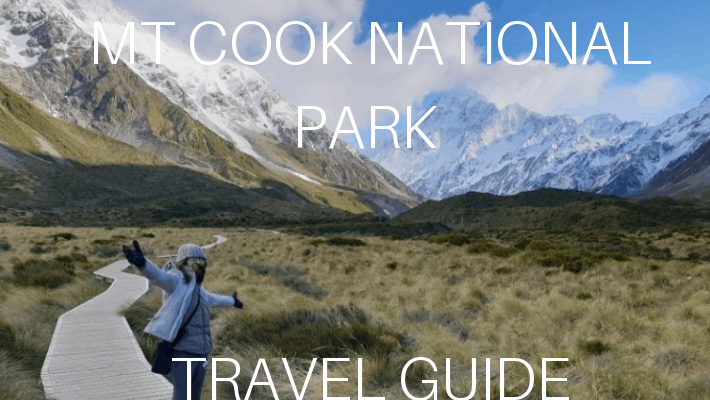
Aoraki / Mount Cook Travel Guide
Our real Aoraki / Mount Cook guide: Hooker Valley Track status, Tasman Glacier, Dark Sky stargazing and where to stay. Updated August 2026.
A Weekend on the Coromandel Peninsula
Our updated 2026 guide to a weekend on the Coromandel Peninsula: Cathedral Cove's current access, Hot Water Beach timing, road status and where to stay.
The New Zealand bucket list: experiences that are actually worth it
Our honest New Zealand bucket list: 11 experiences from ten years living there, with genuine opinions on what's worth it and what to skip. Updated 2026.