
Public Transport in New Zealand: A Newcomer's Guide
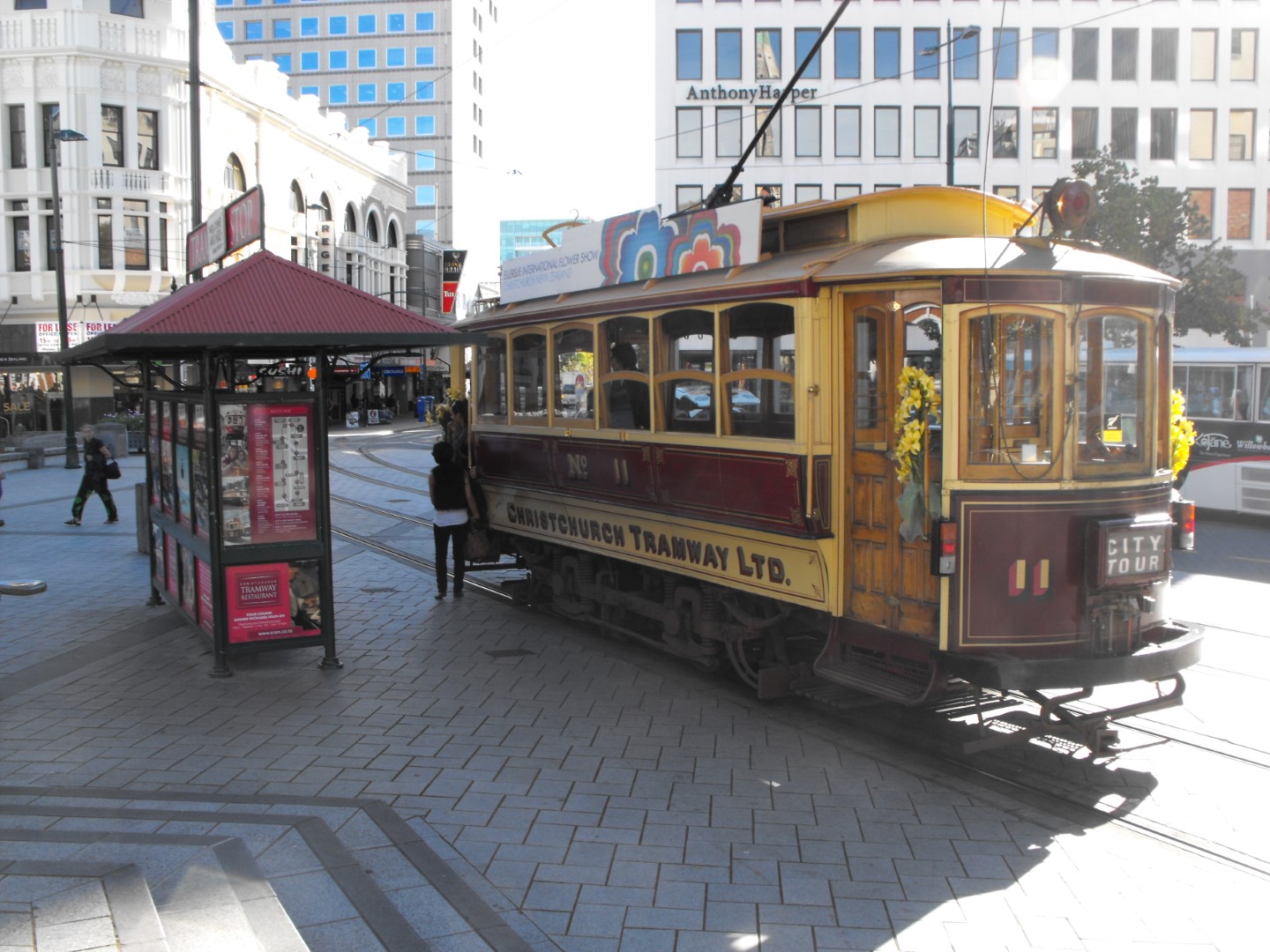
We lived in Auckland for two years and Wellington for two more, and the difference in how you get around those two cities is one of the starkest we experienced anywhere in New Zealand. In Wellington we mostly walked, or hopped on a bus without much planning. In Auckland we owned a car within months, because the public transport network, while genuinely improving, still asks a lot of patience from anyone used to a proper metro system.
This is our honest guide to public transport in New Zealand in 2026: what exists in Auckland, Wellington and Christchurch, what’s changing this year, and the blunt truth about the rest of the country, which is that outside the main cities, you need a car. We’ve checked fares and the big 2026 changes against Auckland Transport, Metlink, Metro Christchurch and NZTA Waka Kotahi directly, but public transport fares move at least annually here, so treat the figures below as a guide and check the live fare pages before you travel.
In this article we discuss:
- The national truth: outside the main cities, you need a car
- Auckland: AT HOP, trains, buses and ferries
- The City Rail Link: what’s opening in 2026
- Wellington: Metlink, the cable car and why it’s so walkable
- Christchurch: Metro and the switch to Motu Move
- Getting between cities: InterCity coaches
- Motu Move: New Zealand’s national ticketing project
- Fares at a glance
- Your questions answered
The national truth: outside the main cities, you need a car
Before anything city specific, the single most useful thing we can tell you: New Zealand’s public transport is a big-city story. Auckland, Wellington and Christchurch have real networks worth planning around. Everywhere else, and that includes plenty of towns with tens of thousands of people, public transport is thin, infrequent or non-existent, built around school buses and the odd regional service rather than commuters.
We drove everywhere outside those three cities, including years spent living in a motorhome specifically because the alternative, in Northland and rural areas generally, simply wasn’t there. If you’re moving to a smaller town or planning to live rurally, budget for a car from day one. Our guide to driving in New Zealand covers the rules, and our guide to buying a car covers getting one sorted.
Auckland: AT HOP, trains, buses and ferries
Auckland’s network runs on the AT HOP card, a tap-on tap-off smartcard covering buses, trains and most ferries, sold at train stations, some shops and online. Contactless bank cards and mobile wallets also work on buses and trains, though not on every ferry route.
Fares went up on 1 February 2026, by roughly 10 to 25 cents per bus or train trip and 40 to 60 cents on ferries, and paying with an AT HOP card rather than cash still gets you around 20% off the standard fare. There’s a $50 seven-day fare cap on AT HOP cards, so once you’ve spent $50 on buses and trains in a week, the rest of your journeys that week are free, useful if you’re commuting daily. Contactless card and mobile wallet users get a separate $20 daily cap instead, since the weekly cap isn’t available on contactless payments yet.
Ferries are their own world, mostly run by Fullers360 to destinations like Waiheke Island, Devonport and Rangitoto. AT HOP works on most routes, but Waiheke fares sit outside the standard AT fare structure and cap: a standard adult return is $30, dropping to $20 off-peak (departing Auckland from 1pm, or Waiheke from 7pm). Devonport and the inner harbour routes are cheaper and covered by the normal AT HOP fare cap.
We found Auckland’s buses genuinely good on the routes that matter, the Northern Busway in particular, but the wider network still has real gaps, and Auckland’s roads carry the traffic to prove it. TomTom’s traffic index put Auckland drivers losing around 85 hours a year to congestion in 2025. If you can live somewhere on a frequent bus, train or ferry route, do it. Our guide to living in Auckland goes into which suburbs actually deliver that.
The City Rail Link: what’s opening in 2026
The City Rail Link (CRL) is the biggest change to Auckland’s transport in decades, a 3.45km underground rail tunnel connecting the western and southern lines through two new city centre stations, effectively turning Auckland’s rail network from a dead-end loop into a proper through-running system.
As of July 2026, the CRL’s infrastructure has been formally handed over from its builders to Auckland Transport and KiwiRail, and it’s on track to open to passengers in the second half of 2026, widely expected to be an August or September window, on a Sunday. The exact date hadn’t been announced at time of writing, with Auckland Transport saying it will give six to eight weeks’ notice, so treat this as upcoming rather than confirmed, and check at.govt.nz closer to the time.
Two new stations open with it: Te Waihorotiu, expected to become New Zealand’s busiest train station, and Karanga-a-Hape, giving direct rail access to K Road’s shops, bars and restaurants for the first time. Maungawhau becomes a major interchange for the western line, and the existing Waitematā station (long known as Britomart) stays in the network rather than being replaced. Once it’s running, Auckland Transport expects significantly more frequent trains and shorter journey times across the whole rail network, not just through the new tunnel itself.
Wellington: Metlink, the cable car and why it’s so walkable
Wellington is the city where we properly used public transport day to day, and a lot of that comes down to geography: it’s compact, hemmed in by hills and a harbour, and walking often beats waiting for a bus anyway.
Metlink runs Wellington’s buses, trains and the Cook Strait side of the ferry network, using the Snapper card as the main smartcard, tag on and off the same way as AT HOP. Fares rose 3.1% from 15 May 2026, and the off-peak discount for Snapper and contactless payments was trimmed from 30% to 20% at the same time. The bigger change for 2026 is that Metlink buses and trains now also accept contactless debit and credit cards and mobile wallets directly, using upgraded Snapper equipment, a stepping stone ahead of the full National Ticketing Solution due in the region from 2027. Existing Snapper cards keep working exactly as before.
One genuine trap for visitors: the Wellington Cable Car is not part of Metlink and does not take Snapper. It stopped accepting Snapper back in October 2023 and runs its own separate ticketing, with a one-way adult fare of $7.00 and a return of $13.00 as of mid-2026 (family return tickets from $22.00). It’s a heritage funicular up to the Botanic Garden and the Kelburn lookout more than a commuter service, though plenty of locals do use it that way too. NZ SuperGold cardholders travel free off-peak.
Wellington’s compact size and its bus network genuinely make it liveable without a car, which was not our experience in Auckland at all. Our full guide to living in Wellington goes into which suburbs make that walkability count for the most.
Christchurch: Metro and the switch to Motu Move
Christchurch’s buses run under the Metro brand, and the city has been the testbed for New Zealand’s new national ticketing system, Motu Move, since a pilot began in late 2024 and a fuller rollout followed in November 2025.
Standard adult Metro fares sat at $3.00 as of mid-2025, with concessions down to $1.50 to $2.50 depending on your category, though the Metrocard is still needed to actually claim those concession rates even as contactless card and mobile wallet payment becomes standard. Fares are reviewed annually from February 2026 onward, so check metroinfo.co.nz for the current numbers before you travel. Christchurch is flatter and more spread out than Wellington, and its bus network, while decent on the main corridors, doesn’t carry the same weight of daily riders that Auckland’s or Wellington’s does. We haven’t lived in Christchurch ourselves, so treat this section as researched rather than lived, cross-checked directly against Metro’s own fare pages.
Getting between cities: InterCity coaches
For travel between towns and cities, InterCity is the default. It’s New Zealand’s largest scheduled coach network, reaching more than 600 destinations with over 100 daily services across both islands, and in 2026 it’s been adding new New Zealand-built coaches with USB charging and, on longer routes, onboard toilets. It’s slower than driving yourself and nowhere near as flexible, but it’s a genuinely useful option if you don’t want to hire a car for a specific leg, particularly between the main centres.
There’s no long-distance passenger rail network to speak of beyond a handful of scenic tourist trains, so InterCity, flying, or driving are really your three practical options for covering real distance. If you are driving yourself, our guide to planning a New Zealand road trip covers realistic driving times between the main hubs.
Motu Move: New Zealand’s national ticketing project
Motu Move is worth watching if you’re settling here long term, because it’s the project meant to eventually replace AT HOP, Snapper and Metrocard with one consistent system: contactless bank cards, mobile wallets and a single prepaid card working the same way everywhere in the country.
It launched first in Greater Christchurch, with contactless payment live on buses and ferries from November 2025, and a dedicated prepaid Motu Move card due from mid-2026 to eventually replace the Metrocard entirely. Wellington got a halfway step in early 2026, contactless payment on Metlink through upgraded Snapper hardware, ahead of full Motu Move functionality expected there and elsewhere from 2027. NZTA’s own timeline targets nationwide operation by the end of 2027, region by region, so for the next year or two you should still expect Auckland, Wellington and Christchurch to run on their existing, separate cards day to day. If you’re moving between regions, check the current status for your specific city before assuming your card from one place works in another.
Fares at a glance
| City / route | Card | Typical adult fare | 2026 change |
|---|---|---|---|
| Auckland bus/train | AT HOP | Zone-based, $50 seven-day cap | Fares up 10-25c/trip from 1 Feb 2026 |
| Auckland ferry (Waiheke) | AT HOP | $30 return standard, $20 off-peak | Excluded from the 2026 fare cap changes |
| Wellington bus/train | Snapper or contactless | Zone-based | Fares up 3.1% from 15 May 2026; contactless added |
| Wellington Cable Car | Own ticketing (no Snapper) | $7.00 one-way, $13.00 return | Separate system, not part of Metlink |
| Christchurch Metro | Metrocard or contactless | $3.00 standard adult | Annual fare review from Feb 2026 |
| Intercity coach travel | Online/app booking | Route dependent | New NZ-built coaches added to fleet |
Our take: Wellington’s walkability against Auckland’s car dependence
If someone asks us which New Zealand city works best without a car, it’s Wellington, no contest. We walked to work more often than we took the bus, and when we did need public transport, Metlink’s frequency on the main corridors made it a genuine option rather than a last resort. Auckland is a different proposition. It’s a bigger, more spread out city built around motorways, and even with the Northern Busway and the City Rail Link about to open, most people we knew there owned a car, us included, within our first few months. The CRL should help enormously once it’s bedded in, particularly for anyone living near the western or southern lines, but it won’t undo decades of a city planned around driving. If you have a genuine choice of which city to settle in and not owning a car matters to you, weigh that up properly rather than assuming all of New Zealand’s cities behave the same way. Our guide to the best places to live in New Zealand compares this alongside rent, jobs and climate across the main centres.
Your questions answered
Do I need an AT HOP card if I’m only visiting Auckland for a few days?
You can buy single paper tickets on some services, but they cost noticeably more than tapping an AT HOP card, and contactless bank cards now work on most buses and trains too. For a short trip, tapping a contactless card is usually the simplest option since there’s no card to buy or top up in advance.
Can I use my Auckland AT HOP card in Wellington or Christchurch?
No, not yet. Each region currently runs its own separate card, AT HOP in Auckland, Snapper in Wellington, Metrocard in Christchurch, though contactless bank cards increasingly work across more than one of them directly. The national Motu Move project is meant to eventually fix this, but it’s still rolling out region by region through 2026 and 2027.
Will the City Rail Link make Auckland traffic better?
Indirectly, over time, by shifting more commuters onto trains and freeing up road space, but it won’t fix Auckland’s congestion on its own. The bigger, more immediate benefit is for train passengers themselves: more frequent services and faster journeys once the through-running tunnel is open.
Is the Wellington Cable Car worth using as actual transport, not just a tourist ride?
Genuinely, yes, if you live or work near the top in Kelburn. It runs every ten minutes through the day and connects directly to Lambton Quay in the CBD. Just remember it needs its own ticket, since your Snapper card won’t work on it.
How do I pay for buses in small New Zealand towns that aren’t Auckland, Wellington or Christchurch?
It varies a lot, and many smaller regional bus services are cash only or use their own local card, so don’t assume AT HOP, Snapper or a Metrocard will work outside their home region. Check the specific regional council’s transport page before you travel, or budget for a car instead, since services in smaller towns are often limited to a handful of runs a day.
Are New Zealand’s public transport apps reliable for real-time tracking?
Auckland Transport’s app and Metlink’s app both give live bus and train tracking that we found generally accurate, certainly reliable enough to time a walk to the stop rather than standing around waiting. Christchurch Metro’s app is improving alongside the Motu Move rollout but historically lagged the other two.
Is it cheaper to drive or use public transport day to day in Auckland?
For most people commuting regularly, public transport wins on pure cost once you factor in Auckland’s parking prices and fuel, especially with the AT HOP weekly cap in place. Where it falls down is convenience and coverage, which is exactly why so many Aucklanders, including us at the time, end up running a car anyway.
Get in touch
Public transport in New Zealand rewards a bit of local knowledge, and it changes fast enough that what was true when we lived in Auckland and Wellington isn’t always true now, hence checking everything above against the operators directly. If you’ve got a specific route or city we haven’t covered, get in touch through our contact page. For the wider picture on getting around, our guides to driving in New Zealand and living in Auckland or living in Wellington are the natural next stops. We’re not transport planners, so for live timetables, fares and service alerts, go straight to Auckland Transport, Metlink or Metro Christchurch.
You might also like
Best Places to Live in New Zealand in 2026: Our Honest, City-by-City Guide
Auckland, Wellington, Christchurch and six more places compared on rent, jobs and climate for 2026, from a couple who actually lived in three of them.
The Best Banks in New Zealand for Migrants
Which New Zealand bank is best for migrants in 2026: ANZ, ASB, BNZ, Westpac, Kiwibank and the challengers compared, fees, apps and deposit protection.
Buying a Car in New Zealand: A 2026 Guide to Costs, WoF and Rego
Buying a car in New Zealand: 2026 prices for WoF, rego, insurance and RUC, plus where to buy, imports and EVs, from a couple who actually did it.