
5 Great Things to Do in Wairarapa
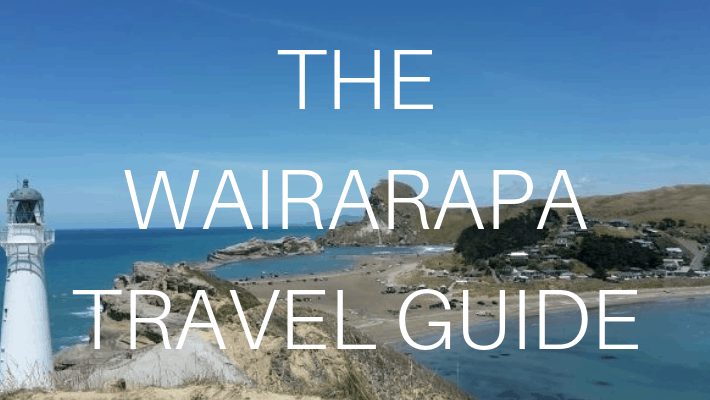
Where do you go for a weekend away when you live in Wellington? As every Wellingtonian will tell you, you go “over the hill”, up and over the Remutaka Range, to the wild and beautiful Wairarapa region.
Wairarapa is barely an hour’s drive from Wellington, but it feels worlds apart from the capital’s hustle and bustle. There is genuinely so much packed into this pocket of the lower North Island: a proper wine region, one of the country’s best fur seal colonies, a lighthouse at the end of the world, and beaches you’ll have almost entirely to yourselves. Here are five great things to do in Wairarapa, plus a couple of bonus stops worth knowing about.
In this article
- Martinborough and its vineyards
- Driving to Cape Palliser
- The Putangirua Pinnacles
- Lake Ferry
- Castlepoint
- Your questions answered
Driving to Wairarapa (you can hire a car in Wellington) is an adventure in itself. As you climb the winding Remutaka Hill Road (still labelled Rimutaka on some older maps and signs, but officially Remutaka since the 2017 to 2019 Treaty settlement), it’s worth stopping to walk Te Ara Tirohanga, formerly known as the Remutaka Trig Walk. It’s a 45 minute return climb from a small car park near the summit, and on a clear day the views back over Wellington Harbour and out across the Wairarapa are genuinely spectacular. You can also reach Wairarapa by train (get off at Featherston), but we’d suggest bringing your own car and your bikes for the weekend. The region is spread out, and having your own wheels makes it far more accessible.
Check out our video of our time in Wairarapa.
1. Martinborough
Your first stop should be Wairarapa’s wine capital, Martinborough: a small town with a lot of charm and some of the best wine in New Zealand. When we visited, we stayed at The Martinborough Hotel, a lovely heritage building on the town square. Even if you’re not staying there, it’s worth popping in for a drink before you explore the rest of town.
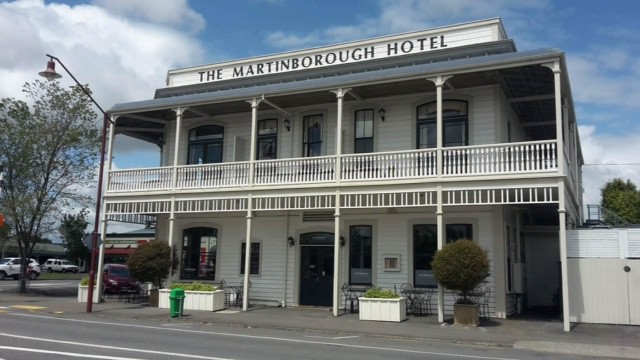
Our hotel for the weekend, the stunning Martinborough Hotel.
Wine time
Martinborough’s vineyards sit in close proximity to one another, which makes cycling between them the obvious choice. Green Jersey hires bikes and runs guided tours out of Kitchener Street, and they’re still going strong. If wine isn’t your thing, you could drive between cellar doors instead, though where’s the fun in that? You genuinely can’t get lost in Martinborough; it’s a small, easy grid of streets centred on Princess Street, and you can do the loop clockwise or anti-clockwise. Most cellar doors charge a small tasting fee (often refundable against a purchase), so book ahead where you can and check current pricing online, as it varies by vineyard and changes often. If you’re visiting in summer, there’s almost always some kind of Wairarapa event on.
Poppies
We also had the pleasure of visiting Poppies, run by husband and wife team Poppy and Shayne Hammond. They’ve built a destination cellar door that Wellingtonians genuinely love. We stopped in for tastings and a shared platter (around NZ$60 for two as of writing, though do check current menu pricing) and it was one of the highlights of the trip.
Top tip: Poppies gets very busy at lunchtimes, especially at weekends, so book ahead. Poppies is currently open Monday, Tuesday and Friday to Sunday (closed Wednesday and Thursday), so check their site before you plan your day around it.
2. Driving to Cape Palliser
Wairarapa is lighthouse country, and Cape Palliser is the big one: the North Island’s southernmost point. The road out has water on one side and dramatic scenery on the other. We must have pulled over ten times just to take it in.
Top tip: Stop at Ngawi, a tiny, very rural fishing village right on the beach. Along with the scenery, you’ll see a fleet of what look like abandoned tractors parked on the sand. They’re not abandoned; the local fishermen use them to launch and haul their boats.
The lighthouse
At the end of the road, which turns into a dirt track, a staircase of around 250 steps climbs the cliff to the lighthouse. It’s a proper climb, but the 360 degree views over Cook Strait and Palliser Bay, and on a clear day across to the South Island, make it worth every step. Access is free.
Seal colony
On the drive back you’ll pass one of the North Island’s largest fur seal colonies, hauled out on the rocks below the road. Bulls are there year round, and pup numbers peak between mid-November and mid-January. They really are mesmerising to watch, especially the pups, but please give them space. They’re wild animals with sharp teeth, a bad temper if startled, and absolutely no interest in your sandwiches.
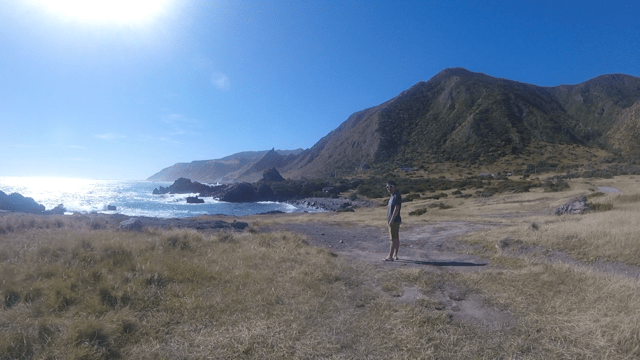
Watching the seals at Cape Palliser.
3. The Putangirua Pinnacles
A dramatic geological formation and one of New Zealand’s best examples of badlands erosion. After Martinborough, the Pinnacles walk is the next most popular thing to do in Wairarapa. You’ll park at the DOC campsite and the return walk normally takes three to four hours, with a choice of a shady, steeper bush track or the easier route that follows the riverbed (little more than a trickle in summer).
A note on access: storm and flood damage has altered the riverbed route into the Pinnacles in recent times, washing out markers and undercutting the car park bank in places. The lookout track above is usually still open even when the riverbed route is closed, but check the DOC website for current alerts before you set off, and take care crossing the stream.
Top tip: there’s little shade once you reach the Pinnacles themselves, especially with the sun overhead, so pack sunscreen and a hat.
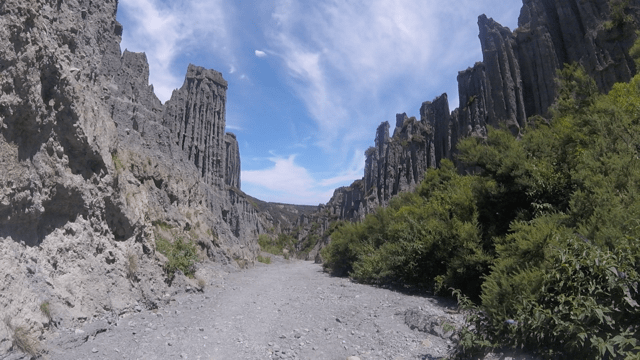
The incredible Pinnacles.
4. Lake Ferry
Lake Ferry is worth the drive. We went out in the evening to watch the sunset and stroll along the beach; sounds romantic, doesn’t it? We stopped for dinner at the Lake Ferry Hotel, one of New Zealand’s oldest licensed pubs (trading since 1851) and still going.
There isn’t a huge amount to do at Lake Ferry unless you’ve brought a rod and a boat, but the setting is beautiful. The beach stretches for miles, and the pub is well placed for a warm meal on a windy day. Our freshly caught fish and a cold pint made the detour more than worthwhile.

Driving to Lake Ferry.
5. Castlepoint
Castlepoint is worth the detour. From Martinborough, we stopped in the pretty town of Greytown along the way for coffee. Greytown has New Zealand’s most complete street of restored Victorian wooden buildings, and its main street is lined with boutiques, cafes and a proper old-fashioned bookshop, worth an hour of anyone’s time. From there it’s on to Masterton to refuel before the final hour’s drive to Castlepoint.
If you have a little extra time and you’re heading north via Masterton, Pūkaha National Wildlife Centre (formerly known as Mount Bruce) is a genuine detour-worthy stop about 30km further on. It’s an unfenced native wildlife sanctuary, open year round, and a good way to see kiwi, kākā and other native birds up close.
Castlepoint itself is bach country, the Wairarapa equivalent of what the Coromandel is to Aucklanders. We arrived on a beautiful but windy day. The lighthouse walk is an easy 30 minute return boardwalk over the reef to the 1913 lighthouse, one of the last in the country with a rotating beam, and it has some of the most incredible views of the North Island’s eastern coastline. We took a picnic, sat on the beach and watched the world go by.
A word of caution: the reef itself is genuinely dangerous, with unpredictable tides and rogue waves, so stay well back from the water’s edge. Part of the route down to the beach from the base of Castle Rock has also been affected by a slip in the past, so check current DOC signage on the day rather than assuming full access.
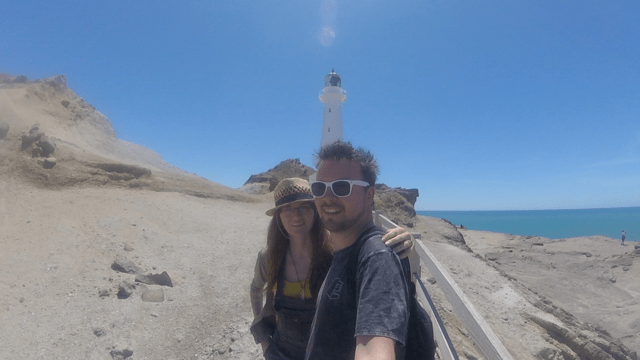
Us at Castlepoint.
A perfect beach day before heading back to the city lights.
Top tip: Book accommodation well ahead of your visit. It’s easy to underestimate how busy Wairarapa gets between September and March. We’d suggest BookaBach for private homes you won’t always find on Airbnb, and your usual booking site for current availability of motels, hotels and guesthouses in the area.
If Wairarapa has whetted your appetite for New Zealand’s other wine regions, Napier & Hawke’s Bay is well worth a look, or head north for the volcanic landscapes and short walks around the Tongariro National Park. If you’re planning a longer loop of the North Island, our New Zealand travel itineraries hub has more inspiration, and our guide on how to travel New Zealand on a budget will help you keep the whole trip affordable.
Your questions answered
How far is Wairarapa from Wellington?
About an hour’s drive over the Remutaka Hill Road, or roughly the same by train to Featherston. It’s an easy weekend trip, though we’d always recommend bringing a car once you’re there, since the region is spread out.
Is Cape Palliser worth visiting?
Yes. It’s one of the North Island’s best fur seal colonies, with free access, plus a genuinely dramatic lighthouse climb at the end of the road. Give yourself at least half a day for the round trip from Martinborough.
How much does wine tasting cost in Martinborough?
It varies by cellar door and changes fairly often, so we’d suggest checking each vineyard’s website or booking online for current pricing rather than relying on an old figure. Many tasting fees are waived or refunded if you buy a bottle.
Is the Putangirua Pinnacles walk currently open?
The lookout track is usually open, but the riverbed route into the Pinnacles has been affected by storm damage in recent times, with washed-out markers in places. Check the DOC website for current alerts before you go, and allow three to four hours return.
What is the best time of year to visit Wairarapa?
Late spring through to autumn (roughly October to April) for the best weather and to see the wineries and coastline at their best. If you want to see fur seal pups at Cape Palliser, aim for mid-November to mid-January. Book accommodation well ahead if you’re travelling over summer.
Is Rimutaka or Remutaka the correct spelling?
Remutaka is the official spelling, restored under a 2017 to 2019 Treaty settlement after “Rimutaka” turned out to be a historical misspelling with no meaning in te reo Māori. You’ll still see “Rimutaka” on some older signs, maps and business names around the region.
You might also like
Aoraki / Mount Cook Travel Guide
Our real Aoraki / Mount Cook guide: Hooker Valley Track status, Tasman Glacier, Dark Sky stargazing and where to stay. Updated August 2026.
A Weekend on the Coromandel Peninsula
Our updated 2026 guide to a weekend on the Coromandel Peninsula: Cathedral Cove's current access, Hot Water Beach timing, road status and where to stay.
The New Zealand bucket list: experiences that are actually worth it
Our honest New Zealand bucket list: 11 experiences from ten years living there, with genuine opinions on what's worth it and what to skip. Updated 2026.